
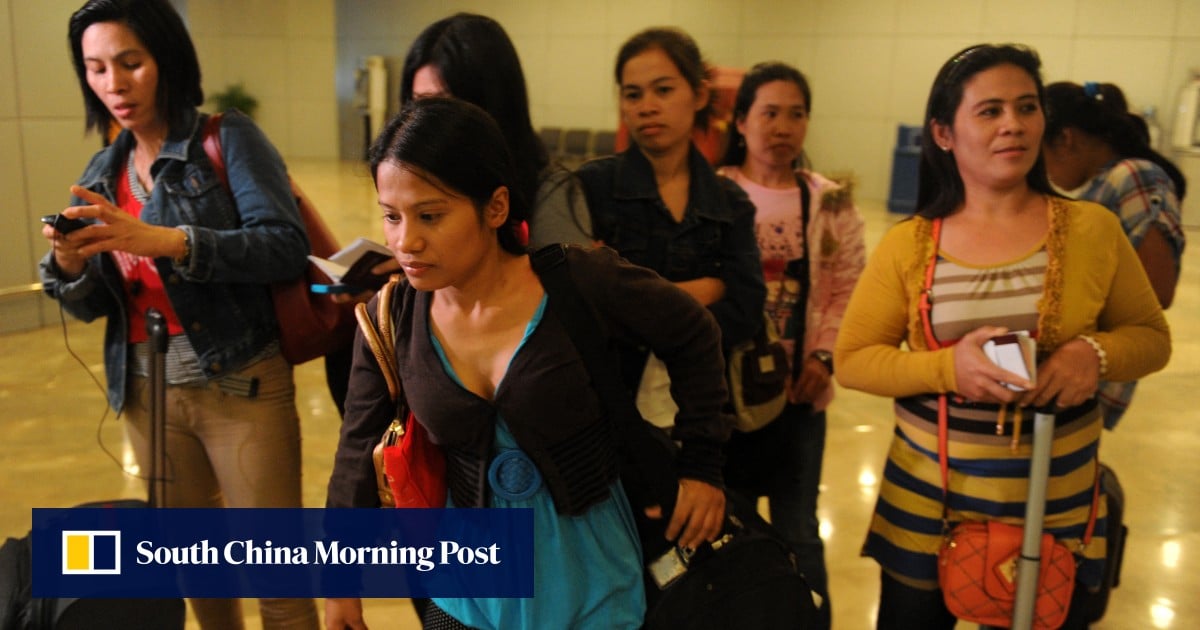
Filipino domestic workers face severe labor exploitation and sexual abuse in Saudi Arabia, as detailed in a recent Amnesty International report. Despite years of promised reforms, including the recent removal of the kafala sponsorship system, conditions for these workers have not significantly improved.
Continuing Patterns of Abuse
The Amnesty report reveals the harrowing experiences of 19 Filipino women employed as domestic staff in Saudi Arabia. Interviews conducted in March highlighted persistent issues such as excessively long working hours, restrictive movement, and confinement. Notably, the report includes instances of sexual violence, illustrating a grim reality for these workers. To safeguard their identities, names were changed in the report.
The findings are consistent with prior research conducted by Amnesty, which documented similar abuses faced by Kenyan domestic workers in the same country. The alarming similarities across nationalities underscore a widespread crisis in the treatment of foreign workers in Saudi Arabia.
Conditions that Contradict Reforms
Despite the abolishment of the kafala system—a labor scheme that tied workers’ residency permits to their employers—actual conditions on the ground remain unchanged. The supposed reforms have made little difference in the lives of domestic workers, with many facing the same toxic environments that perpetuate abuse and exploitation. Amnesty’s findings serve to highlight the gap between governmental promises and the stark realities faced by these workers.
Joy*, a Filipino domestic worker, vividly recalls her grueling schedule. According to her, workdays stretched to an exhausting 20 hours, starting at 6 AM and often involving interruptions through the night for additional tasks. Such relentless demands create an atmosphere of overwork and exhaustion, where workers are discouraged from expressing their fatigue.
A Broader Human Rights Concern
The ongoing exploitation of domestic workers in Saudi Arabia raises serious human rights concerns. The testimonies collected illustrate a lack of protections and pervasive neglect of worker rights. Often, domestic workers, particularly those from countries like the Philippines and Kenya, are left vulnerable without sufficient legal recourse or support systems in place. There is an urgent need for comprehensive reforms that prioritize the safety and well-being of all workers in these vulnerable positions.
This situation highlights a broader issue within the global labor market, where migrant workers are frequently subjected to harsh conditions and exploitation. The urgency for systemic change cannot be overstated, as the ongoing abuse not only affects individual workers but also represents a significant failure in the protection of human rights.
As the narrative of exploitation continues, it is crucial for advocates, policymakers, and the international community to take a stand. Addressing these injustices is not only a matter of labor rights but also a commitment to uphold the dignity of all workers, regardless of their nationality. The testimonies of these brave individuals must be amplified, leading to meaningful change that will ensure safer working conditions for domestic workers everywhere.