
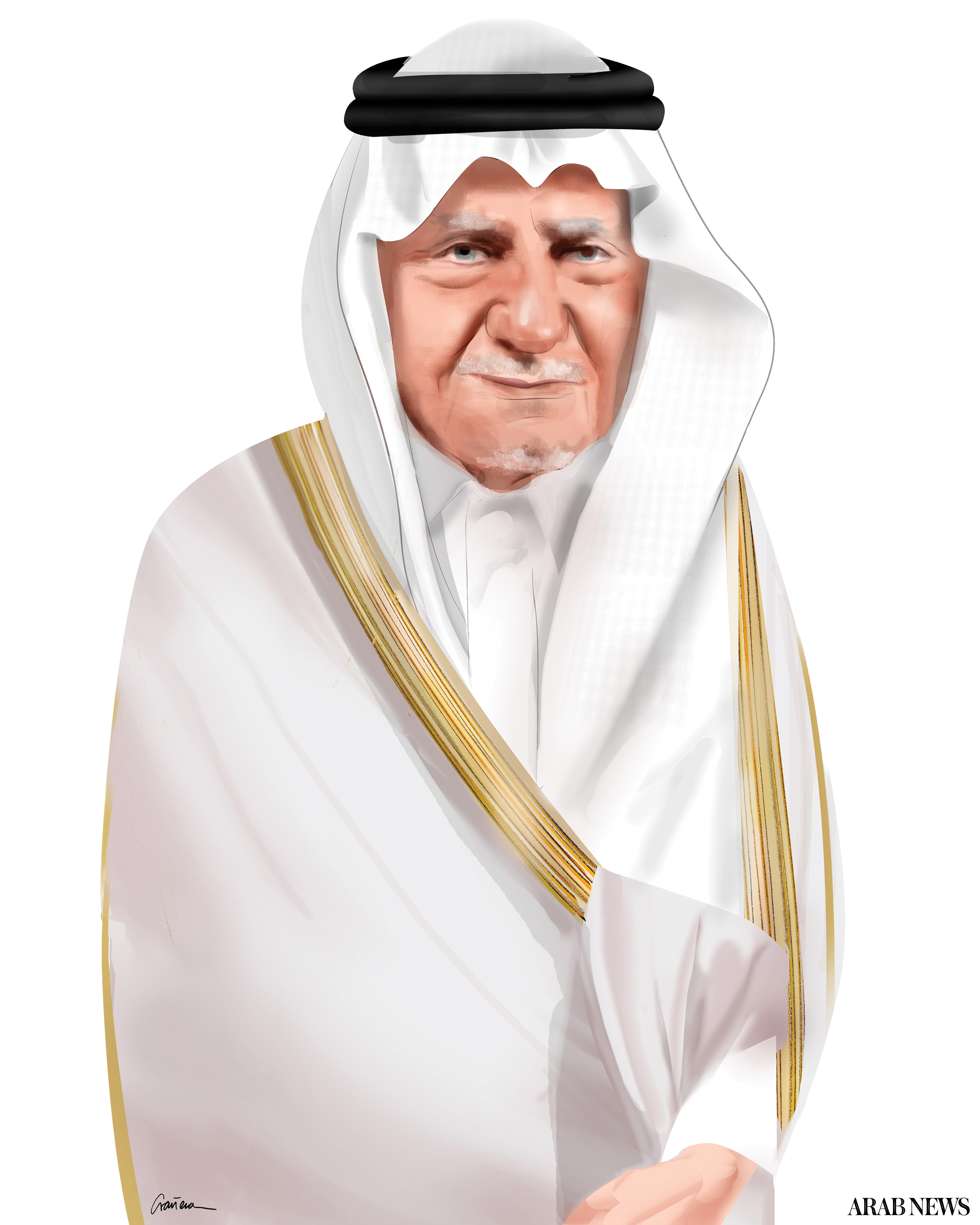
Saudi Arabia’s foreign policy has recently come under scrutiny, particularly in light of Prince Turki Al-Faisal’s analysis that the era of restraint is no longer a viable strategy for the Kingdom. His comments reflect a significant shift in the geopolitical landscape of the Middle East, prompting discussions about Saudi Arabia’s role in regional dynamics and its approach to international relations.
Shift in Regional Dynamics
The Middle East has long been characterized by complex alliances and rivalries. However, recent developments have put pressure on traditional approaches. The increasing aggressiveness of neighboring countries and non-state actors has led to a reevaluation of strategies previously deemed effective. Prince Turki Al-Faisal’s perspective emphasizes that Saudi Arabia must adapt to a rapidly changing environment where diplomatic caution may no longer suffice. His remarks suggest that a more assertive stance is necessary to protect national interests and maintain regional stability.
The Need for a New Strategy
As geopolitical tensions escalate, Saudi Arabia finds itself at a crossroads. The Kingdom’s previous approach of restraint was founded on the hope that diplomatic engagement could mitigate hostilities and forge stronger alliances. However, the rise of aggressive actions from adversarial nations, particularly Iran, is challenging this policy. Al-Faisal’s comments indicate a growing recognition that Saudi Arabia will need to adopt more proactive measures to counter potential threats. By reassessing its position, the Kingdom may better safeguard its interests and assert itself on the global stage.
Implications for International Relations
Shifting strategies in Saudi Arabia may have far-reaching implications for its international relationships. As the Kingdom reassesses its foreign policy, existing partnerships may undergo transformation. Allies may find themselves reassured or wary, depending on how Saudi Arabia decides to act moving forward. Moreover, an assertive stance could either reinforce Saudi Arabia’s influence in the region or escalate tensions with rival states. The international community will be closely monitoring these developments, as they could reshape the power dynamics of the Middle East.
Conclusion: A Defining Moment for Saudi Arabia
As Prince Turki Al-Faisal suggests, the Kingdom’s approach to foreign policy must evolve to meet the challenges posed by a changing geopolitical landscape. While the era of restraint may no longer be operable, the path ahead is fraught with complexities. By embracing a more assertive role, Saudi Arabia not only aims to secure its national interests but also hopes to play a pivotal part in shaping the future of the Middle East. The coming years will be crucial in determining the effectiveness of this new direction and its impact on regional stability.