
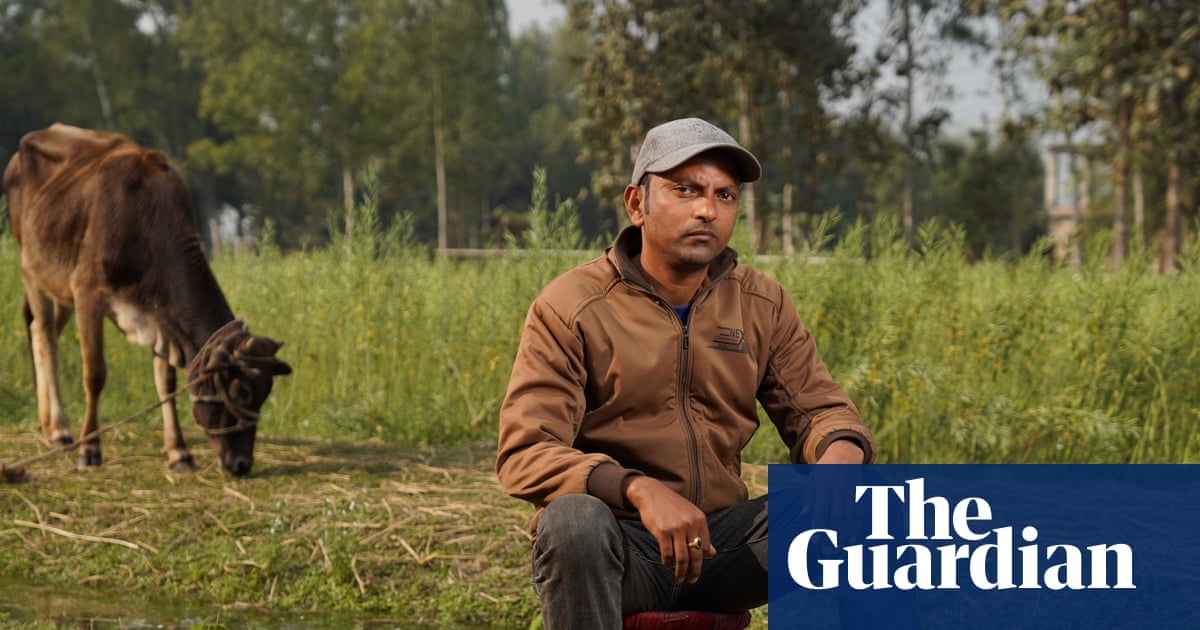
In a heart-wrenching incident in Saudi Arabia, Shrawan Shah Rauniyar, a Nepali migrant worker, found himself hospitalized with crushed legs after a metal beam fell on him. His unfortunate accident occurred while he was working on a project for Saudi Aramco, one of the world’s largest oil companies known for its immense wealth and profitability. Rauniyar, who worked for a subcontractor under the Italian firm Saipem, hoped for fair compensation due to the severity of his injuries.
Compensation Challenges for Migrant Workers
Rauniyar’s case highlights a troubling trend faced by numerous migrant workers in the Gulf region. After the accident, when representatives from Saipem visited him, they offered flowers and chocolates but advised him against inquiring about compensation, citing his status as a contract worker. He faced intimidation from the labor supply company, which allegedly threatened him to abandon his claim for compensation. Rauniyar insisted on pursuing his rights as outlined in his contract and Saudi law, yet less than three weeks post-accident, he was forcibly sent back to Nepal.
Saipem confirmed Rauniyar’s injury but emphasized that they ensured he received complete medical assistance. Rauniyar expressed outrage at Saudi Aramco, believing they share responsibility for the welfare of subcontracted workers. “Aramco has become rich selling our sweat and blood,” he lamented, highlighting the exploitation faced by laborers in hazardous conditions.
Widespread Labor Rights Abuses
Rauniyar’s story is part of a larger report by the human rights organization FairSquare, which documented 23 cases of labor rights violations among workers linked to Aramco. The report shows that these workers often endure severe safety risks and find it difficult to claim compensation for injuries or fatalities. Many interviewed reported grueling working conditions, including long hours in extreme heat and inadequate housing, described as “slum-like.”
FairSquare’s director, Nick McGeehan, pointed to Aramco’s obligation to protect workers, noting their significant influence in setting industry standards. The company’s neglect in addressing labor rights violations suggests a broader systemic issue within the Saudi Arabian labor market, particularly concerning migrant workers, who comprise a large part of the workforce.
The Broader Implications of Aramco’s Influence
As Saudi Arabia’s national oil company, Aramco is crucial to the country’s economy, generating about two-thirds of government revenue. Despite this influence, the welfare of migrant laborers remains precarious. With over 76,000 direct employees, the actual number of workers contributing to Aramco’s operations is much higher, including subcontracted laborers from South Asia. These individuals handle vital tasks in constructing facilities and transportation, often in unsafe conditions.
The UN’s Guiding Principles on Business and Human Rights place added responsibilities on companies like Aramco to prevent human rights abuses across their operations. Despite Aramco’s claims of commitment to worker safety and well-being, reports of labor abuses persist, raising concerns about the reality of safety measures and ethical practices.
Personal Realities of Migrant Workers
Rauniyar now resides in a small rented room in southeastern Nepal, struggling to recover from the trauma of his injuries and loss of livelihood. He faces additional challenges as doctors inform him that further surgery may be required due to improper healing of his fractures. His financial situation, compounded by his inability to work, has left him reliant on his wife’s modest teaching salary.
This narrative is echoed in the tragic case of Manjay Kumar Sah, another migrant worker who died on an Aramco project. Despite the family’s attempts to seek accountability and compensation, they received little assistance from the subcontractor or Saudi authorities. The widespread use of terms like “natural death” on death certificates serves as a vehicle for employers to evade financial responsibility, leaving families without support.
In conclusion, the plight of migrant workers like Rauniyar and Sah underscores the urgent need for reform in labor rights within Saudi Arabia. Companies like Aramco must take more significant steps to ensure the welfare of those who contribute to their wealth, while governments and international organizations must hold them accountable for human rights standards.