
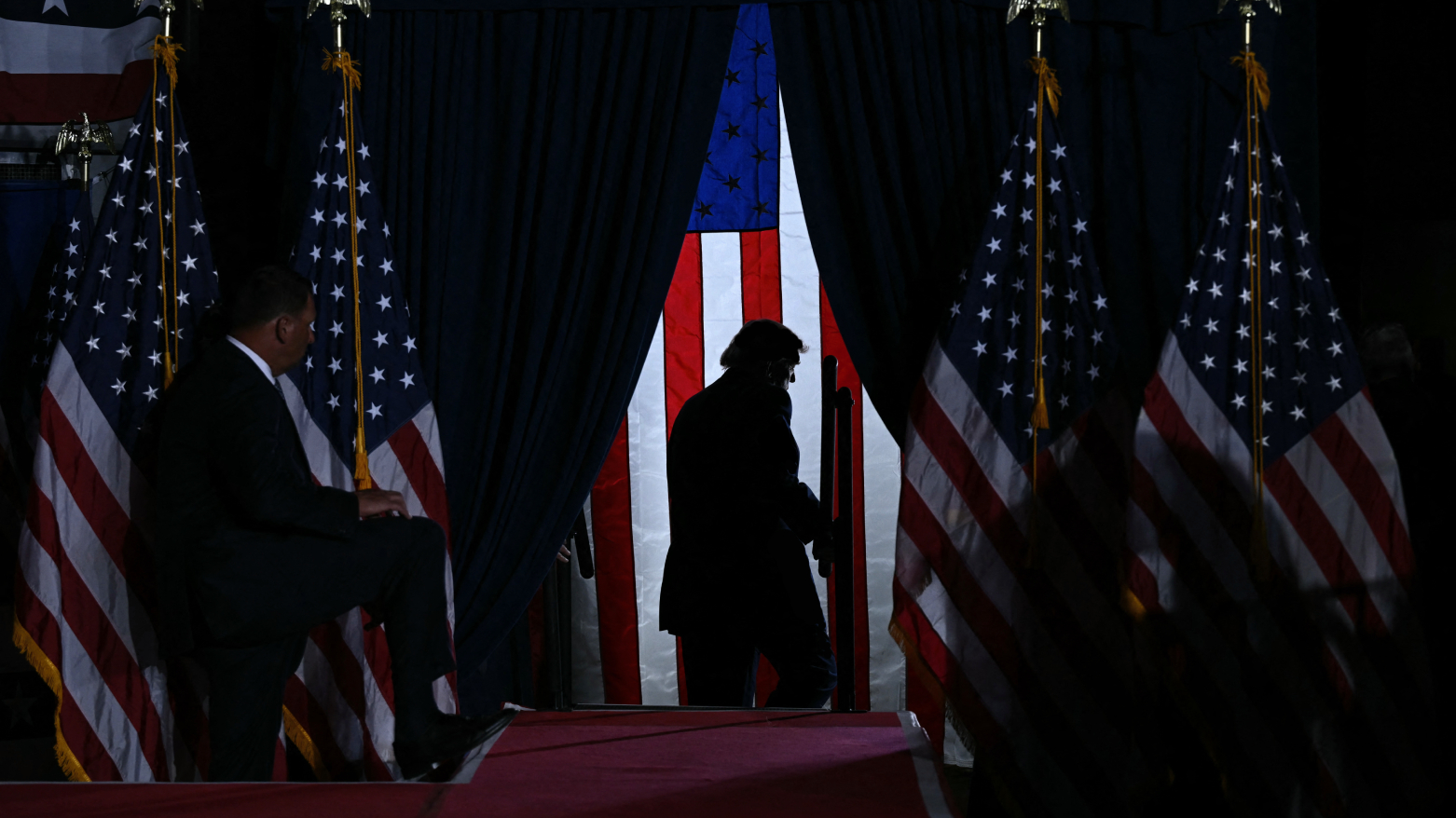
Recent developments in U.S. national security have unfolded as President Donald Trump convened a significant meeting at Camp David, focused on pressing issues around the Iran conflict and the ongoing strife between Saudi Arabia and the Houthis in Yemen. This clandestine gathering included key figures from the Trump administration and illustrates the gravity of the situation in the Middle East.
Unprecedented Security Meeting
According to Axios, top national security and cabinet officials met unannounced at Camp David on Friday for an extensive discussion on the volatile situation in Iran and the Houthis. Sources indicate that this meeting was particularly notable due to its secrecy and the high-ranking officials in attendance. Vice President JD Vance chaired the discussions, which also featured Secretary of State Marco Rubio, Secretary of Defense Pete Hegseth, White House envoy Steve Witkoff, CIA Director John Ratcliffe, and Chairman of the Joint Chiefs of Staff Gen. Dan Caine. The last similar meeting of this nature occurred in June 2025, just days before a major conflict between Israel and Iran.
Stalled Negotiations and Strategic Decisions
The urgency of the discussions was significantly influenced by stalled negotiations with Iran, prompting speculation about the possibility of U.S. military escalation. Trump has publicly stated that he is at a crucial decision point, remarking, “Now I have to make a decision: either Iran signs the deal, or it won’t exist any longer.” Moreover, Trump faces pressure to support Saudi Arabia’s upcoming military actions against the Houthis, who have been a continuing security concern in the region.
While U.S. officials indicated during the meeting that strategic decisions were either made or thoroughly discussed, the White House provided no comment. In conjunction with these discussions, Trump remarked that the Iran situation would soon be resolved, asserting that Iran was currently in a difficult position.
Energy Market Implications
Trump’s focus isn’t solely on military matters; he has also turned his attention to the implications of the conflict on global oil prices. He suggested that once the situation in Iran stabilizes, oil prices could revert to pre-war levels or even lower. The U.S. maintains strong energy ties with Europe, and Trump has indicated that both regions possess ample gas supplies that could influence global markets.
In response to rising energy prices and a potential U.S. decision to restrict gas exports, European leaders are actively seeking solutions. Recently, French President Emmanuel Macron noted that G7 leaders have committed to releasing 100 million barrels of oil and gas from their strategic reserves over the next four months to stabilize energy markets.
Broader Regional Dynamics
The ramifications of these discussions extend beyond Iran and the Houthis. The ongoing crisis affects various geopolitical dynamics, with European nations also under pressure from rising diesel prices and public concern over energy security. As the Trump administration weighs its strategy in the Middle East, the responses of European governments reflect a need to ensure market stability amid escalating tensions.
As the situation evolves, it remains crucial for both American and European leaders to navigate these complexities carefully, balancing military actions with diplomatic efforts while considering their impacts on global energy markets. The discussions at Camp David mark a pivotal moment in U.S. foreign policy, potentially setting the course for future actions in a continually volatile region.