
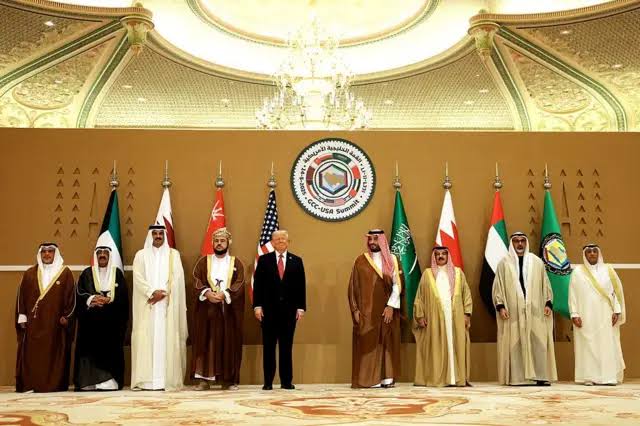
Recent developments have raised significant concerns regarding security operations and diplomacy in the Middle East. A high-profile meeting took place in Germany, gathering military leaders from multiple nations to explore ways to enhance collective security in the region.
Key Discussions at CENTCOM Meeting in Germany
U.S. Central Command spokesperson, Captain Tim Hawkins, revealed that CENTCOM recently hosted senior military officials from eight different countries during a scheduled conference in Germany. The main focus of their discussions was on strategies to strengthen security cooperation in the Middle East. Hawkins reported that the U.S. military has no intention of withdrawing its forces from the region, despite ongoing Iranian hostility and attacks on American military bases. Additionally, U.S. officers shared plans to boost naval activity through the crucial Strait of Hormuz, highlighting the ongoing tension in the area.
The gathering also featured a briefing from Lt.-Gen. Eyal Zamir, the Chief of Staff of the Israeli Defense Forces (IDF), who discussed IDF operations across various fronts. This meeting represented a significant moment, being the first of its kind since the onset of U.S.-Israeli military efforts against Iran more than six months ago. Israeli officials underscored the importance of this high-level exchange amid complicated geopolitical landscapes.
Escalating Regional Conflict and Diplomacy Strains
At the same time, the Houthis have intensified their attacks on Saudi Arabia, causing alarm over possible disruptions to energy infrastructure and shipping routes. The latest advances by the Houthis along Yemen’s Red Sea coast towards the Bab al-Mandab Strait has raised red flags about the future of Saudi oil exports. Given these developments, Gulf Arab states found it necessary to postpone planned negotiations with Iran, with Oman citing a need for consensus as the reason for the delay. This postponement follows a series of missile strikes by the Iran-aligned Houthis aimed at Saudi military installations, which included emergency alerts issued in several cities.
The urgency of these tensions was echoed by former President Donald Trump’s statement on social media platform Truth Social, asserting that Iran is eager to negotiate quickly and urgently. However, the ongoing escalation of the Houthis’ activities and the resulting diplomatic uncertainties suggest a potential escalation of conflict that could have serious implications for global oil supplies. Iran’s Supreme National Security Council secretary, Mohsen Rezaei, has been unequivocal in rejecting dialogues under current conditions, emphasizing that discussions can only happen once Iran’s demands are fully met.
Strait of Hormuz: A Flashpoint for Hostilities
During this period of heightened tensions, Iran’s Islamic Revolutionary Guard Corps (IRGC) claimed to have intercepted and destroyed an advanced MQ-1 drone in the Strait of Hormuz. This incident is part of a series of military actions that highlight the flashpoint nature of the waterway, which is crucial for global oil transit. Iran’s Foreign Ministry spokesman Esmail Baqaei has accused the United States and Israel of exacerbating insecurity in this vital region.
In response to recent actions involving the oil tanker El Gaia, the U.S. Central Command rejected reports of its sinking, clarifying that the tanker was previously rendered inoperable by an Iranian missile strike. The United Nations has reported that recent damage to the El Gaia has left two crew members missing, further complicating the security narrative in the corridor.
Ultimately, the complexities surrounding the Strait of Hormuz and Yemen’s Red Sea corridor have profound implications for Gulf energy security. As the East-West pipeline faces closures due to drone strikes, the timeline for necessary repairs looms large, raising significant questions about the future of hydrocarbon exports from this volatile region. These interlocking elements of military tension, geopolitical diplomacy, and energy vulnerability underscore a critical phase in Middle Eastern affairs where every action could lead to significant repercussions on a global scale.