
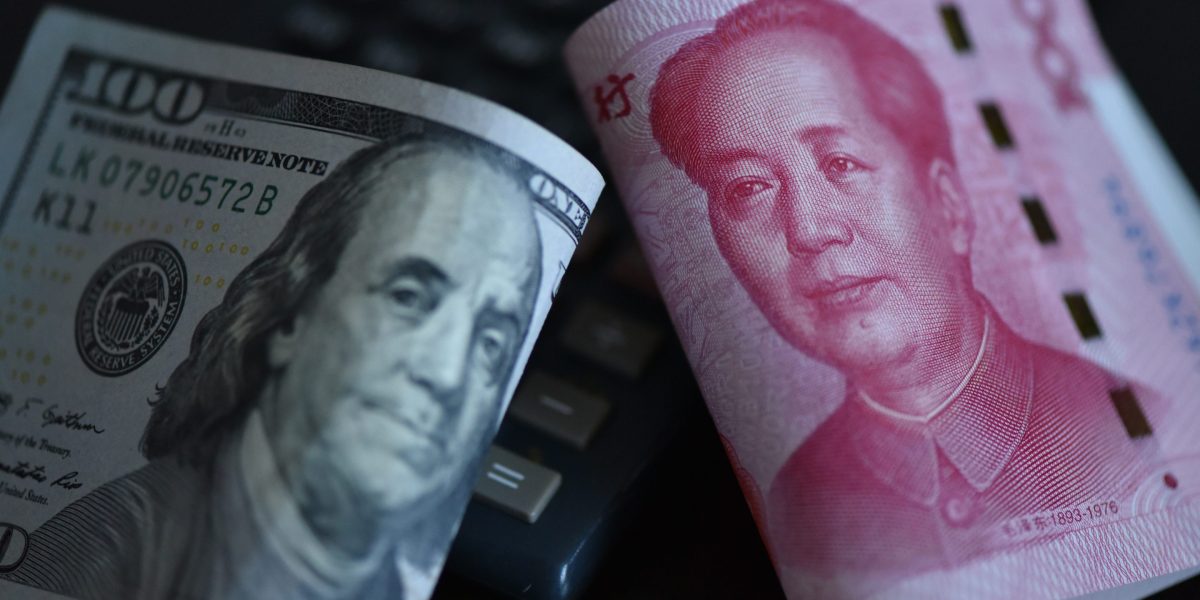
Saudi Arabia has quietly withdrawn from China’s mBridge digital payment platform, which has been presented by Beijing as a viable alternative to the dollar-centric SWIFT system. Reports from reputable sources indicate that this decision marks a significant shift in the geopolitical landscape surrounding payment systems and currency dominance.
The Launch of mBridge and Initial Participation
mBridge was introduced in 2021 as a new platform designed for central banks to utilize digital currencies for transactions via blockchain technology. Initially, China, Hong Kong, Thailand, the United Arab Emirates, and the Bank for International Settlements (BIS) were onboarded to the project. Saudi Arabia’s central bank, known as SAMA, joined mBridge in 2023 as an observer under the BIS, aiming to explore the potential of central bank digital currencies. In 2024, they moved forward with efforts to establish a proof of concept for the platform.
According to an official statement, “As planned, SAMA successfully completed its mBridge proof of concept on May 13, 2025. Following the completion of the PoC, SAMA is no longer a participating member of mBridge.” This withdrawal highlights Saudi Arabia’s changing focus and raises questions about its future engagement with alternative economic frameworks.
Reasons Behind the Withdrawal
A source close to the situation mentioned to the Financial Times that the Saudi Central Bank no longer wished to maintain a public association with mBridge. When addressed concerning potential U.S. pressure for their exit, the source declined to make any sweeping inferences. This decision follows the departure of the BIS from mBridge in October 2024, amid reports that the U.S. had lobbied for them to exit as well, although the BIS claimed it had “graduated out” without political motivations.
Saudi Arabia’s involvement had been regarded as a significant endorsement for mBridge, especially given the kingdom’s foundational role in the “petrodollar” system established in 1974. This system ties oil sales to the U.S. dollar, cementing its position in global commerce. Currently, the dollar remains the currency of choice for approximately 90% of international transactions.
The Global Power Dynamics of Currency
As oil is a critical commodity in global manufacturing and transportation, supply chains exhibit an inherent motivation to remain dollarized. This widespread practice encompasses not just energy resources, but also vital inputs like petrochemicals and fertilizers. Deutsche Bank has indicated, “The world saves in dollars largely because it pays in dollars,” reflecting the dollar’s entrenched status in cross-border trade.
However, the dollar’s supremacy is increasingly threatened, particularly following U.S. sanctions against Russia, which forced many countries to reconsider their dependency on dollar-based assets. There has been a notable shift as central banks around the world hoard gold while minimizing their holdings of U.S. Treasuries. Saudi Arabia has even considered pricing some of its oil exports to China in yuan, following a growing trend where countries like Iran and Russia utilize the Chinese currency to sidestep U.S. sanctions.
The Future of Digital Payments
The evolving landscape suggests that ongoing geopolitical tensions may further challenge the dollar’s dominance, with emerging scenarios potentially leading to the establishment of a “petroyuan.” Analysts caution that instabilities might expose weaknesses in the established U.S. security frameworks that safeguard Gulf infrastructure and international oil trade.
Despite the withdrawals of Saudi Arabia and the BIS, mBridge is reporting positive growth, recently adding Macau to its list of participants. An Atlantic Council report revealed that transactions on the mBridge platform surged to over $55 billion, showcasing a remarkable increase from previous years. While mBridge might not directly contest the dollar’s supremacy, experts believe it could gradually diminish its hold in the future. As digital currencies become more integrated into global financial systems, the developments surrounding mBridge will be critical to monitor.