
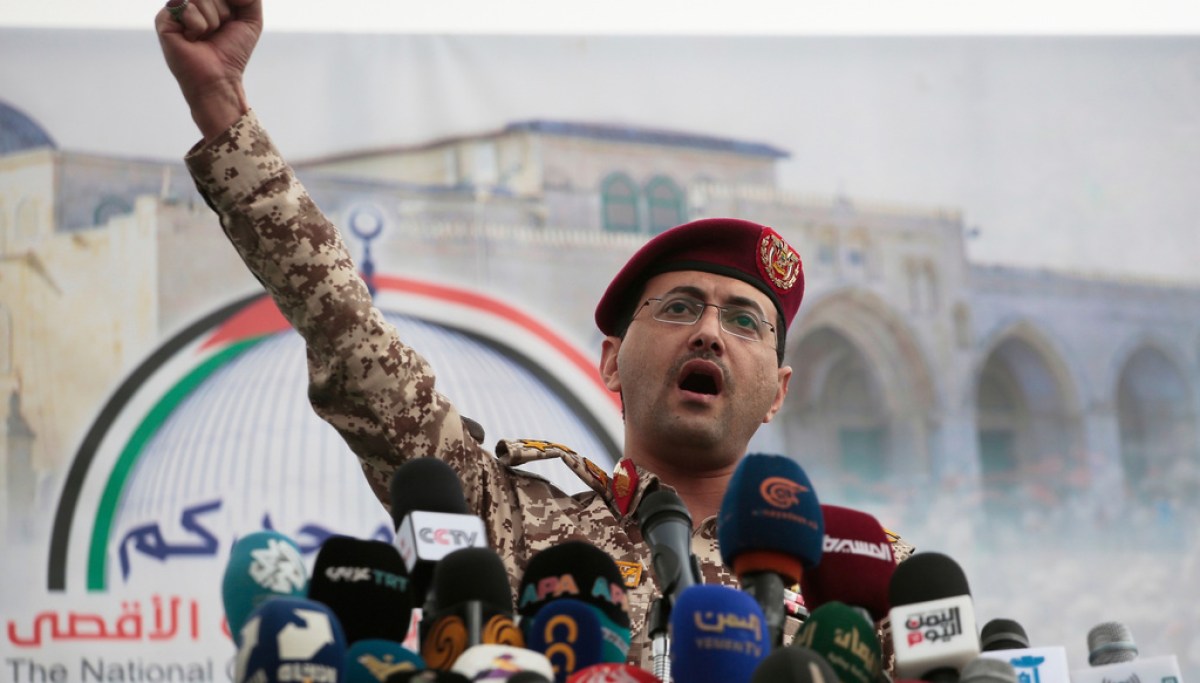
China has stepped in at Saudi Arabia’s request, urging Iran to exert control over the Houthis, who have launched aggressive military operations that threaten Saudi oil exports and maritime routes. This development raises significant concerns not just for the region, but also for global energy stability.
The Growing Threat from the Houthis
Recent military advances by the Houthis along Yemen’s Red Sea coastline prompted Saudi officials to approach Chinese leaders. As reported by various sources, including Reuters, the Houthis’ actions present a critical risk, especially after Iran had restricted shipping through the vital Strait of Hormuz. This narrow maritime route is crucial for international trade, connecting the Indian Ocean with the Mediterranean Sea. Given the escalating tensions resulting from the Israel-Hamas conflict, the Houthis have undertaken numerous attacks on transportation vessels in the Bab el Mandeb Strait—a strategic chokepoint in the Red Sea.
Concerns Over Shipping Security
With the Houthis’ control extending over the entire Yemeni coastline, including the strategically positioned Perim Island, concerns are mounting that they may resume hostilities against vessels passing through this important waterway. Although the group has stated they would focus attacks solely on Saudi ships, the unpredictability of the conflict raises alarms within the global shipping community. Furthermore, recent assaults attributed to Iranian-backed militias in Iraq have damaged Saudi Arabia’s East-West pipeline, which previously served as a vital alternative to the less secure Strait of Hormuz for oil transport.
China’s Diplomatic Efforts
In light of these escalating tensions, Iranian Foreign Minister Abbas Araghchi traveled to Beijing to engage in discussions with his Chinese counterpart, Wang Yi. During this meeting, Wang emphasized that the prolonged U.S.-Iran conflict is detrimental not only to the involved parties but also to global interests. As the main importer of Iranian oil, China has a vested interest in averting an escalation of hostilities that could disrupt maritime routes crucial for energy transport.
Calls for Dialogue and Resolution
Following their discussions, Chinese officials reiterated the urgency of reopening the Strait of Hormuz to maintain the security and efficiency of international shipping. They stressed the need for all parties to refrain from actions that could complicate the already volatile situation in Yemen and the Red Sea. China’s stance advocates for dialogue and negotiation as pathways to resolve ongoing conflicts, further signaling its intent to play a stabilizing role in the region.
As the geopolitical landscape shifts, especially with the upcoming visit of Chinese President Xi Jinping to Washington for talks with President Donald Trump, the dynamics between Saudi Arabia, Iran, China, and the broader international community will be crucial. The unfolding situation underscores the interplay of military aggression, economic interests, and diplomatic efforts that define modern geopolitical relations.