
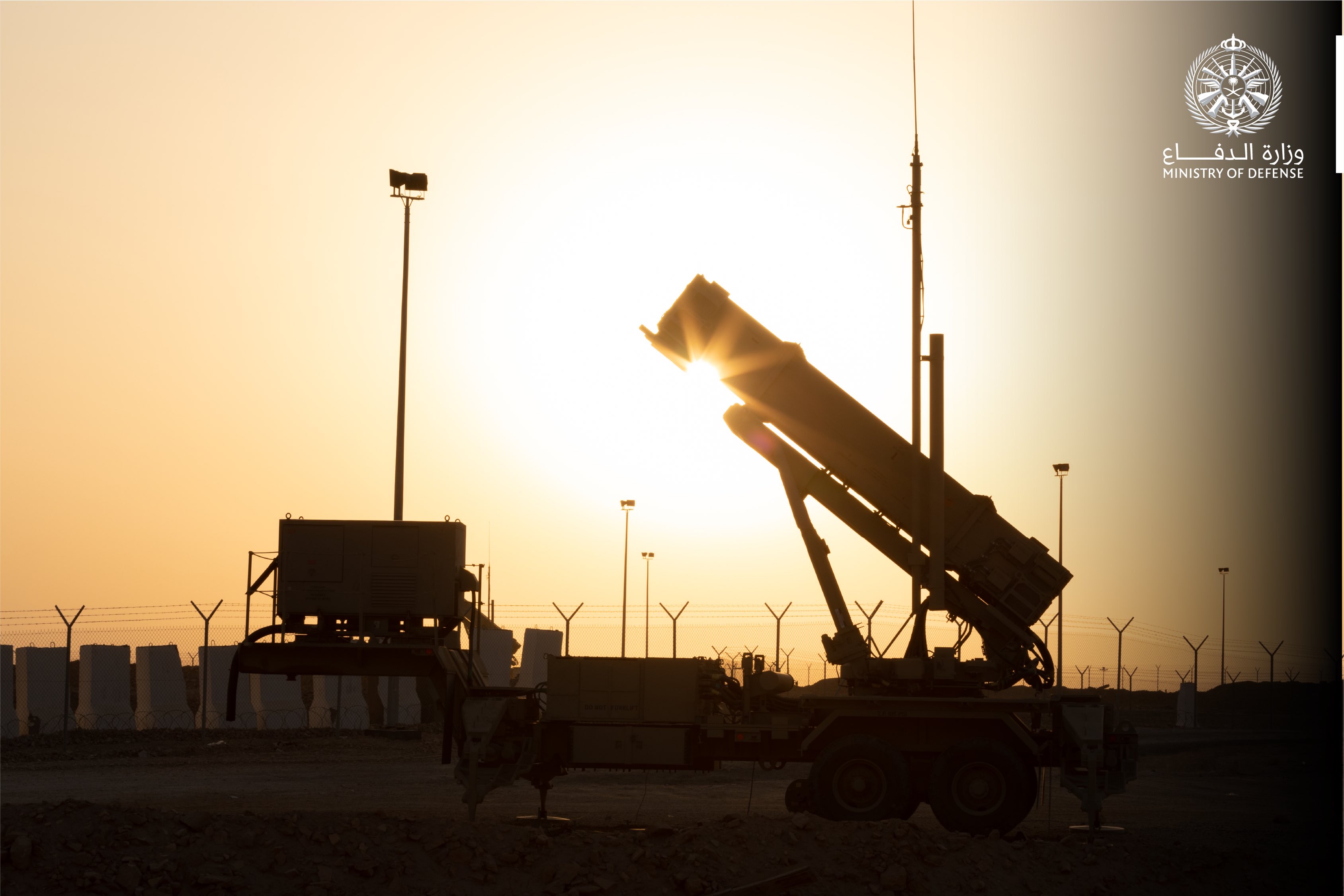
In recent months, tensions in the Middle East have escalated dramatically. The Houthi insurgents from Yemen have been launching a series of missile strikes aimed at major cities in Saudi Arabia, including the capital, Riyadh. These aggressive actions have prompted a robust response from coalition air defense systems, ensuring the safety of millions while seeking to minimize further conflict in the region.
Ongoing Houthi Threats to Saudi Arabia
The Houthi movement, which has been embroiled in Yemen’s civil war since 2014, has increasingly targeted Saudi Arabia, viewing it as a significant adversary. Their missile and drone attacks are not merely strategic military operations but are also symbolic of their defiance against Saudi influence in Yemen. The group has claimed responsibility for numerous attacks, indicating that their capabilities have grown more sophisticated over time. The continuous barrage of missiles has put both civilian lives and critical infrastructure at risk, forcing Saudi Arabia to bolster its defenses.
Coalition Air Defenses Respond
In response to the escalating threats, coalition air defense mechanisms have been put to the test. Recently, a missile headed for Riyadh was intercepted, exemplifying the effectiveness of these defense systems. Utilizing advanced technologies, including radar and surface-to-air missile systems, coalition forces have successfully neutralized many incoming threats. This proactive approach is crucial not only for protecting Riyadh but also for reassuring the international community of Saudi Arabia’s commitment to maintaining stability in the region.
The Importance of Regional Stability
The ongoing conflict and missile attacks have broader implications beyond just Saudi Arabia and Yemen. A stable Middle East is vital for global trade and economic health. Disruption in this area can create ripple effects throughout the world. Thus, the international community is keenly watching this conflict unfold. Continuous support for Saudi Arabia from Western nations highlights the strategic importance of the alliance in countering extremist movements. As tensions rise, the necessity for diplomatic solutions becomes increasingly evident to prevent a full-scale regional conflict that could endanger millions.
The Path Forward: Diplomacy and Defense
While military responses are crucial for immediate protection, long-term solutions must focus on diplomacy and reconciliation. Additionally, international players should engage in dialogues with various Yemeni factions, including the Houthis. Mediation efforts could significantly help in crafting a more peaceful resolution to the ongoing war. Only through multifaceted approaches—integrating robust defense along with genuine diplomatic initiatives—can lasting peace become a possibility in the troubled region of Yemen and its neighbors.
In conclusion, as Houthi missile attacks persist, coalition air defenses remain pivotal in safeguarding Saudi cities. The conflict underscores the necessity for regional stability and emphasizes the importance of combining military readiness with diplomatic efforts. Only through collaborative international engagement can a hopeful path toward peace and security be secured for the people of Yemen and the wider Middle Eastern landscape.