
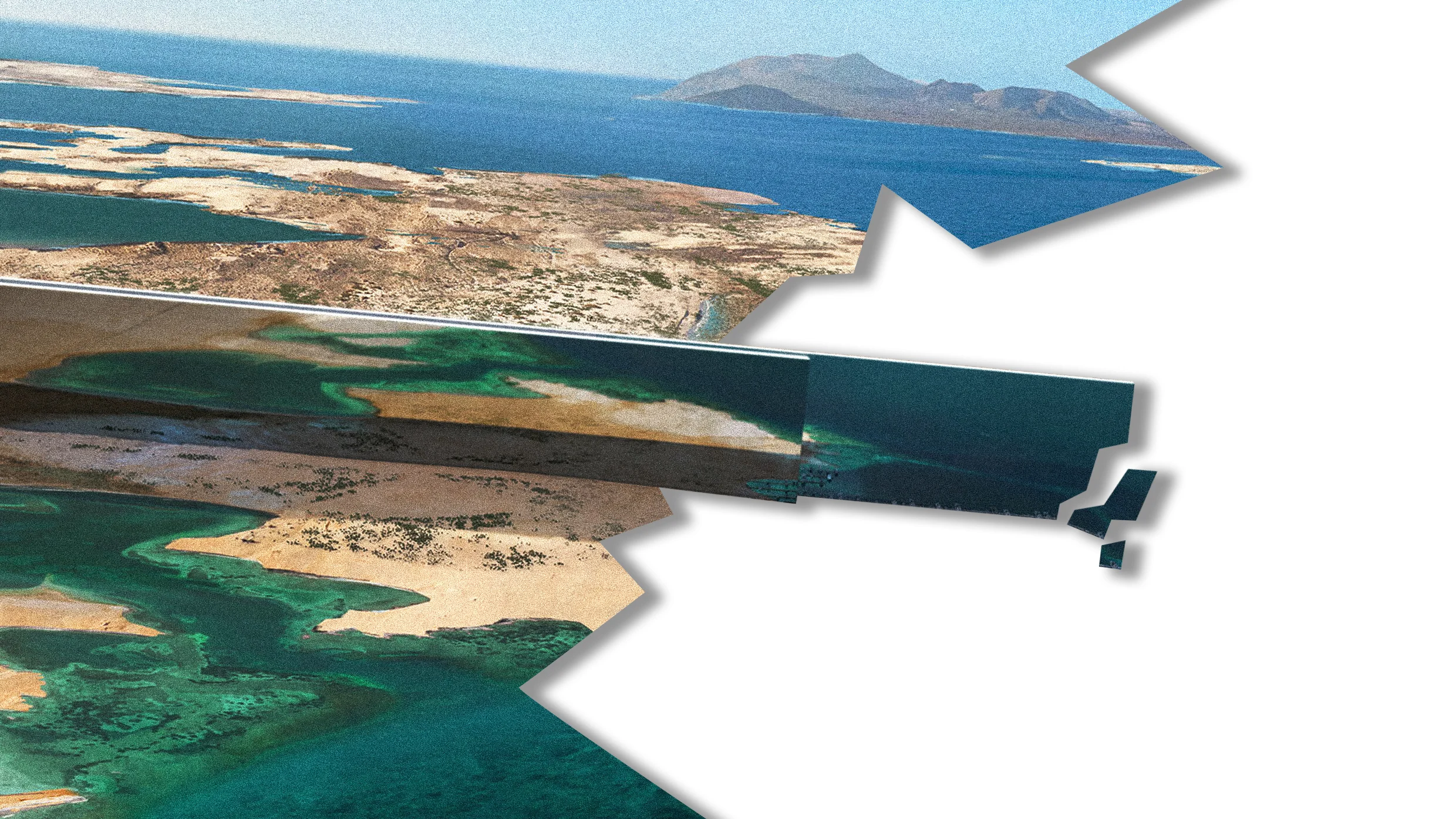
The concept of a horizontal skyscraper has long captured the imagination of architects and visionaries alike. However, what was once envisioned as a groundbreaking architectural marvel has now become an expansive void in the desert. This transformation from dream to reality underscores the challenges and complexities inherent in ambitious projects of this nature.
The Vision Behind the Horizontal Skyscraper
The idea of a horizontal skyscraper promised to redefine urban landscapes. By extending structures horizontally rather than vertically, architects aimed to create living spaces that integrated nature with modern living. The concept was touted as a solution to the problems associated with traditional high-rise buildings, such as overcrowding and limited green space. This ambitious vision was not just about functionality, but also about sustainability, seeking to harmonize human life with the environment.
Challenges Faced During Development
Despite its innovative premise, the construction of this pioneering structure faced numerous obstacles. Financial setbacks plagued the project, leading to delays and resource reallocation. The original plans entailed groundbreaking technology that would allow for sustainable energy use and minimal environmental impact. However, as the design evolved, it became clear that the costs associated with such technology escalated beyond initial projections. Additionally, securing the necessary permits and overcoming bureaucratic hurdles proved to be more daunting than anticipated.
The Current State of the Project
Today, what was once envisioned as a futuristic marvel has transformed into a mere depression in the landscape. The area stands as a reminder of the ambitious goals that were set but ultimately unattainable. The crater left behind serves as a cautionary tale about the risks associated with over-reaching in architectural endeavors. Despite its monumental aspirations, the project highlights the importance of realistic assessments and planning when embarking on complex constructions.
Lessons Learned and Future Prospects
The saga of the horizontal skyscraper serves as a valuable case study for future projects. It illustrates the necessity for thorough feasibility studies and adaptive planning. These lessons emphasize that while ambition is crucial for innovation, it can lead to failure if not grounded in practical reality. As the architectural community reflects on this experience, there is hope that future projects will adopt strategies that balance ingenuity with practicality.
In conclusion, while the horizontal skyscraper may remain a dream deferred, its story carries essential insights for architects, investors, and city planners alike. The balance between vision and realism is critical for turning ambitious ideas into concrete realities.