
Democratic lawmakers are striving to block a nuclear cooperation agreement between the United States and Saudi Arabia, aiming to disapprove of the proposal during a legislative review period. A bill, introduced by notable Democratic representatives, seeks to halt what many perceive as a concerning milestone in U.S.-Saudi relations.
Pushing for Disapproval
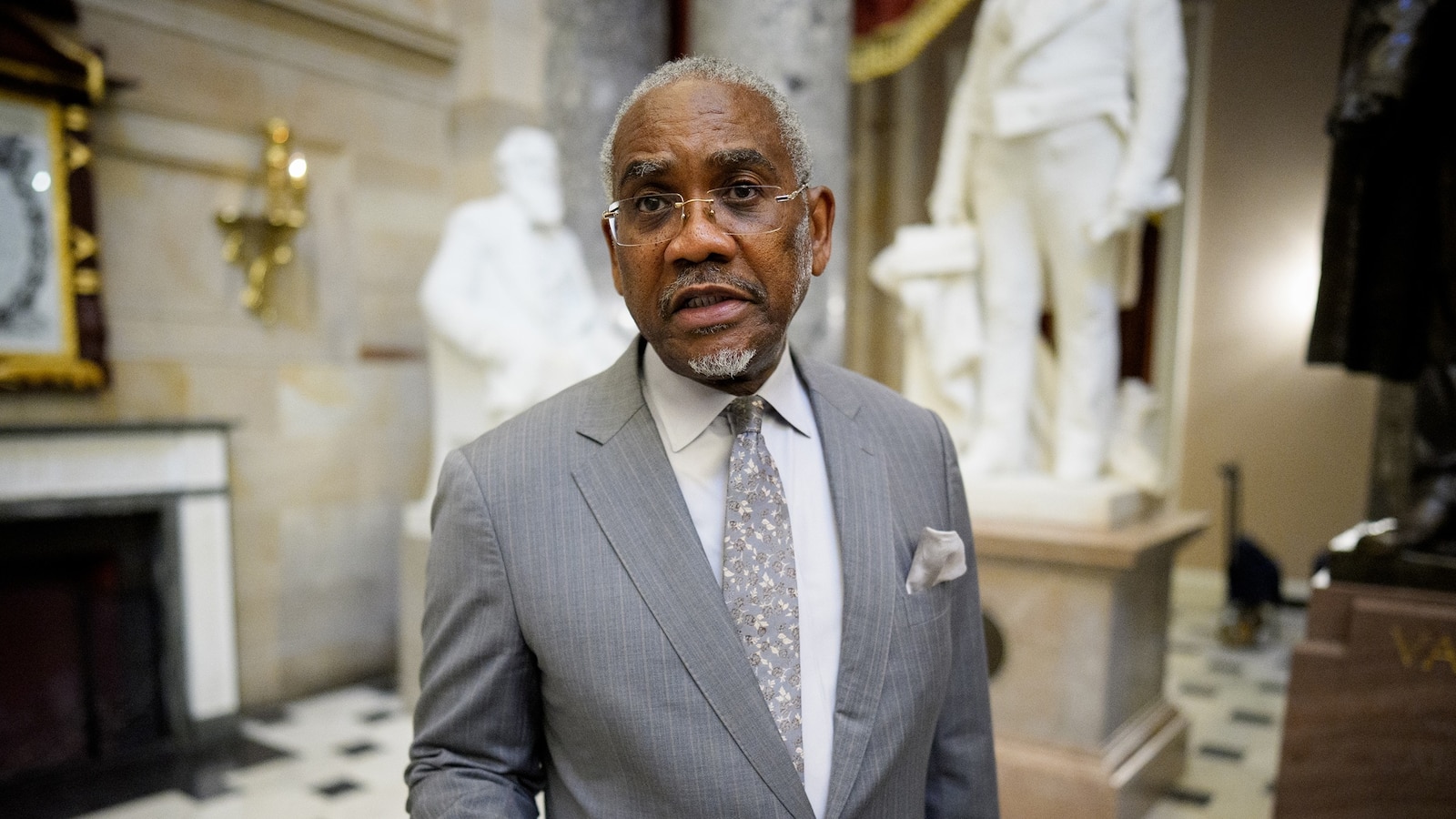
On Wednesday, Democratic Representatives Gregory Meeks, Brad Sherman, John Garamendi, and Don Beyer presented a Joint Resolution of Disapproval shortly before the midterm elections. This resolution gives Congress a limited three-month timeframe to express dissent over the nuclear deal. If the lawmakers fail to muster a two-thirds supermajority, President Donald Trump could choose to veto the bill, allowing the agreement to take effect as it stands.
The nuclear cooperation agreement, referred to as a 123 agreement, sets the stage for substantial American investment in Saudi Arabia’s nuclear energy sector. While the U.S. administration views this as a venture fostering deeper ties between the two nations, skeptics worry about potential risks associated with nuclear proliferation. Concerns have been raised about how this agreement diverges from the established “gold standard” for nuclear deals, which emphasizes extensive international oversight and inspection measures.
Concerns Over Proliferation
Critics argue that the agreement falls short of providing necessary safeguards against the weaponization of nuclear technology. Unlike the gold standard, which allows for broad access to undeclared sites and facilities, the terms of the U.S.-Saudi deal offer limited inspections, confining them primarily to declared nuclear sites. This restriction raises alarms among security experts and lawmakers, who argue that it could facilitate a path to nuclear arms if Saudi ambitions align with those of nations pursuing weapons programs.
The agreement includes provisions for a joint study to assess the feasibility of establishing a uranium enrichment facility within Saudi Arabia. Such potential enrichment to 20% raises significant concerns, as this level is a substantial step toward achieving weapons-grade material. Kelsey Davenport, a nonproliferation policy expert, has indicated that the vague details surrounding this study could create further ambiguity regarding nuclear intentions in the region.
Reactions from Key Lawmakers
Amid these developments, Saudi Arabia’s Crown Prince Mohammed bin Salman has previously expressed intentions to pursue nuclear weapons should Iran acquire them. The Trump administration acknowledged these “concerning public statements” in its communication to Congress, drawing attention to the precarious nature of nuclear diplomacy in an already volatile region.
In an effort to temper criticisms, Secretary of State Marco Rubio defended the nuclear deal, emphasizing that without U.S. cooperation, Saudi Arabia might seek alternative partnerships with adversaries such as Russia or China. Lawmakers have also called on the administration to declassify critical documents related to the agreement, citing a need for transparency and accountability in what they deem a pivotal negotiation.
While the push to disapprove the Saudi nuclear deal faces significant hurdles, the possibility exists for Congress to impose restrictions or conditions on the agreement. This approach would allow lawmakers to address security concerns without entirely blocking what could become a crucial partnership in nuclear energy. As the issue unfolds, the interplay between U.S. foreign policy and nuclear proliferation will remain at the forefront of congressional debates.