
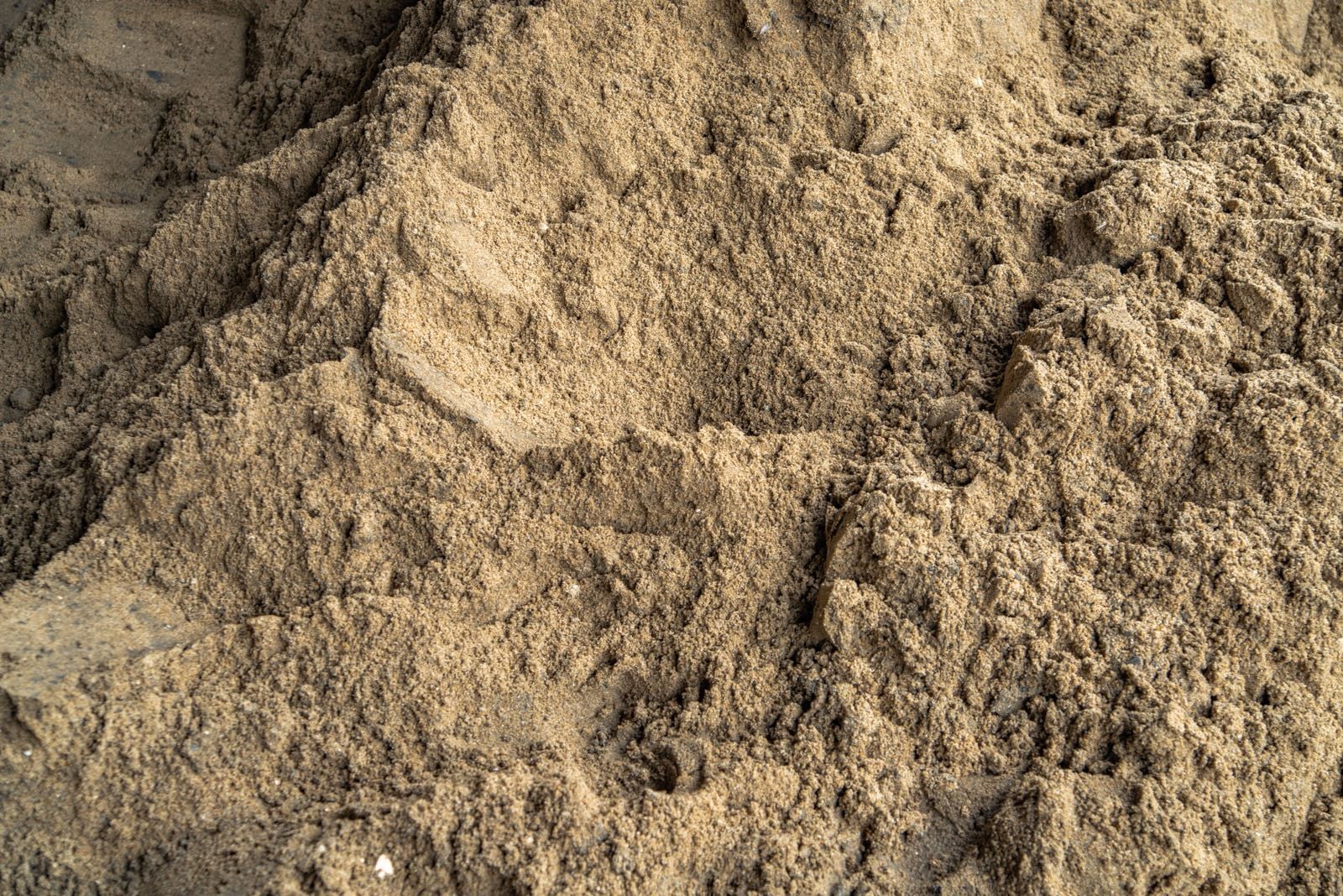
Saudi Arabia’s reliance on imported sand highlights a unique paradox. While the country is predominantly made up of desert, it struggles to use its own sand for construction purposes. Instead, it seeks out angular grains sourced from Australia and other regions. This scenario stems from the way desert sand is formed, which renders it unsuitable for concrete production.
Understanding the Issue with Desert Sand
Concrete primarily consists of aggregate materials—sand and gravel—bonded together by cement. For effective binding, sand grains must fit together tightly, much like pieces of a jigsaw puzzle. However, the sand found in desert environments has undergone extensive erosion via wind, leading to its smooth, round shape. These polished grains do not create a strong interlocking bond when used in concrete, resulting in structures that are prone to weakness. In contrast, river sand and crushed quarry materials retain sharp edges and angularity, providing a more solid construction base.
Saudi Arabia is grappling with this inherent flaw. Despite sitting atop vast reserves of sand in the Rub’ al Khali, or Empty Quarter, which spans approximately 650,000 square kilometers, this material isn’t suitable for their ambitious construction projects. In 2023, the kingdom imported around $138,600 worth of Australian sand, underlining the reliance on external sources despite the abundance of local raw material.
The Scale of Sand Dependency
The implications of this situation extend beyond the country’s borders. Global sand consumption reaches 50 billion tons annually, marking it as one of the most extracted materials on Earth. Moreover, demand for construction sand alone is expected to spike by up to 45% by 2060. As natural sand reserves dwindle due to over-extraction, regions like Saudi Arabia find themselves navigating a sand deficit despite their arid landscape.
In addition to the shape of the grains, desert sands often carry chloride, which can corrode steel reinforcements within concrete. Engineers have worked tirelessly to overcome these challenges, resulting in various innovative solutions like incorporating lignin from wood to bind smooth grains. However, none have yet been able to fully replicate the effectiveness of more angular sands.
Current Trends and Alternatives
In neighboring Dubai, for instance, iconic structures like the Palm Jumeirah were designed using specifically dredged sand from the Persian Gulf rather than local desert grains. This illustrates a broader trend in the Gulf region where major construction projects often rely on imported materials to achieve the necessary structural integrity.
As Saudi Arabia unveils mega-projects like NEOM, Qiddiya, and the Red Sea Project, the demand for quality sand only intensifies. The need for angular, water-eroded sand becomes more critical with ambitious constructions that would require massive amounts of concrete. Thus, the construction industry in the region is caught in a cycle of dependency, importing sand even as they sit atop one of the world’s largest sandy terrains.
The Future of Sand and Construction
Saudi Arabia’s sand imports may seem trivial compared to its vast reserves, highlighting a material paradox where the abundance of a resource does not necessarily equate to its utility. The journey of sand from global suppliers to distant construction sites signifies the intricate supply chains that underpin modern architecture.
The spread of engineered solutions—such as the development of manufactured sand and recycled materials—could reshape the construction landscape in the future. However, for now, the smooth grains of desert sand remain an impractical choice, a testament to how nature’s processes may contradict human needs in construction. As global sand shortages loom, how Saudi Arabia navigates this challenge will significantly impact future city skylines.