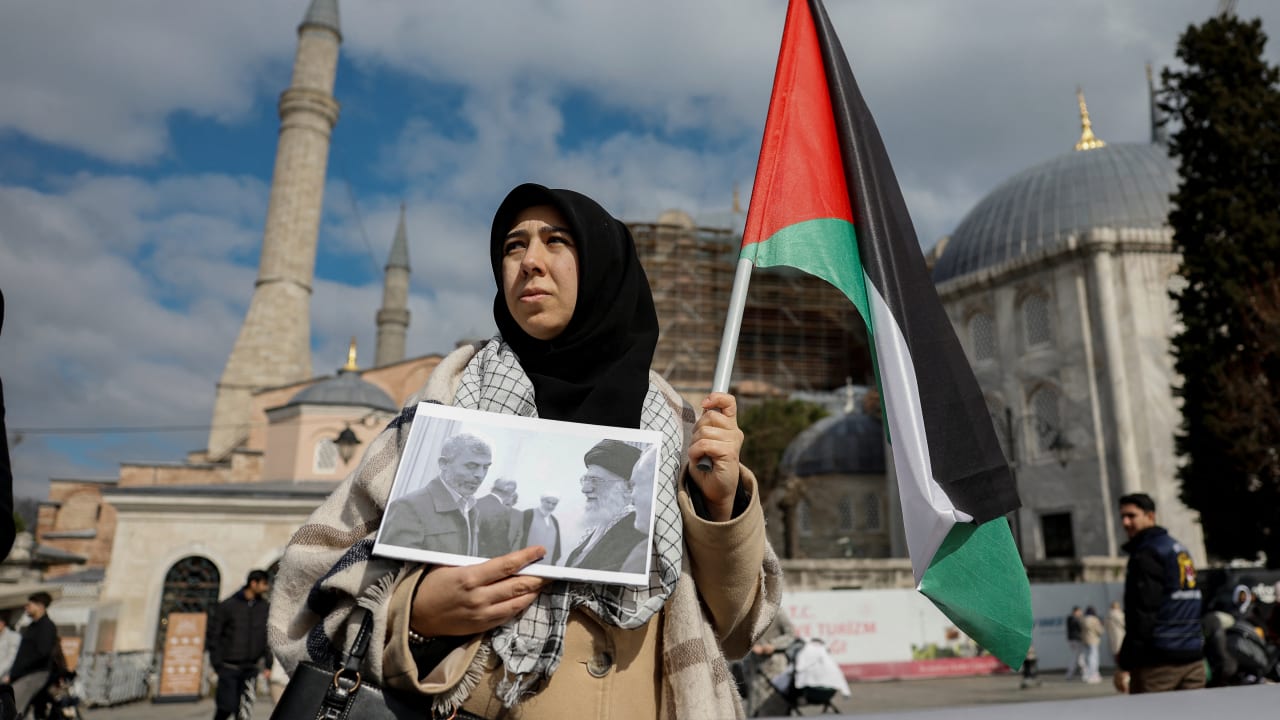
Reports have emerged detailing internal discussions among Hamas leaders regarding strategies to obstruct normalization efforts between Saudi Arabia and Israel, prior to the tragic events of October 7. These findings, attributed to documents seized by Israeli forces in Gaza and analyzed by the Amit Institute for Terrorism and Intelligence Research, reveal the group’s perception of such normalization as a significant threat to their objectives and to Palestinian sovereignty.
Threat Perception Among Hamas Leadership
The documents reportedly contain records of leadership meetings in which Hamas labeled the Saudi-Israeli normalization initiative as a critical strategic danger. One document from 2022 indicates that Hamas resolved to create a focused unit dedicated to leading its campaign against these normalization efforts. The group recognized this move as a potential domino effect that may compel other Arab and Muslim nations to pursue similar agreements with Israel, further compromising their standing in the Palestinian cause.
Strategic Plans and Calls for Escalation
Internal strategies outlined in these documents suggest that Hamas sought to escalate tensions in regions like the West Bank and Jerusalem to disrupt the normalization dialogue. They articulated the need for increased confrontations to undermine Saudi Arabia’s diplomatic objectives. The intelligence report highlighted that Hamas viewed King Salman’s decisions as not merely regional but as catalysts that could divert attention from the Palestinian plight.
Furthermore, Yahya Sinwar, the then-leader of Hamas in Gaza, focused intensely on the implications of the normalization, criticizing Saudi Crown Prince Mohammed bin Salman in particular. He referred to these developments as a troubling step that endangered the special status of Saudi Arabia within the Arab community. Sinwar warned that bin Salman’s aspirations might have detrimental repercussions for Palestine, signaling a growing apprehension within Hamas regarding the shifts in regional alliances.
The Context of U.S. Mediation
At the same time, the U.S. was actively working to facilitate the normalization between Saudi Arabia and Israel, perceived by the Hamas leadership as a significant shift in the regional power dynamics. Previously known as the Abraham Accords, this normalization process aims to establish formal ties between Israel and various Arab nations. The ramifications of these historical dynamics were not lost on Hamas, which recognized the potential reconfiguration of Arab-Israeli relations as a strategic threat.
In light of these events, Hamas speculated that while they might not fully thwart normalization, they could still create disruptions that would challenge its legitimacy. During a final leadership meeting on October 2, just days before the tragic incidents on October 7, Sinwar stated that an extraordinary action from Hamas might be essential to instigate a strategic shift in the region.
While the documents do illuminate Hamas’s strategic posture and concerns leading up to the October 7 attack, they do not alone establish that the Saudi-Israeli normalization efforts were the primary motive behind it. They do, however, offer a revealing glance into the psychological landscape of Hamas as it navigates a swiftly changing regional order. The delicate balance of diplomatic efforts and a focus on Palestinian rights remains a vital aspect of any future normalization processes. As Saudi Arabia maintains that normalization is contingent upon progress for Palestinian rights, the aftermath of these discussions continues to evolve in a context weighed down by historical grievances and immediate pressures.