
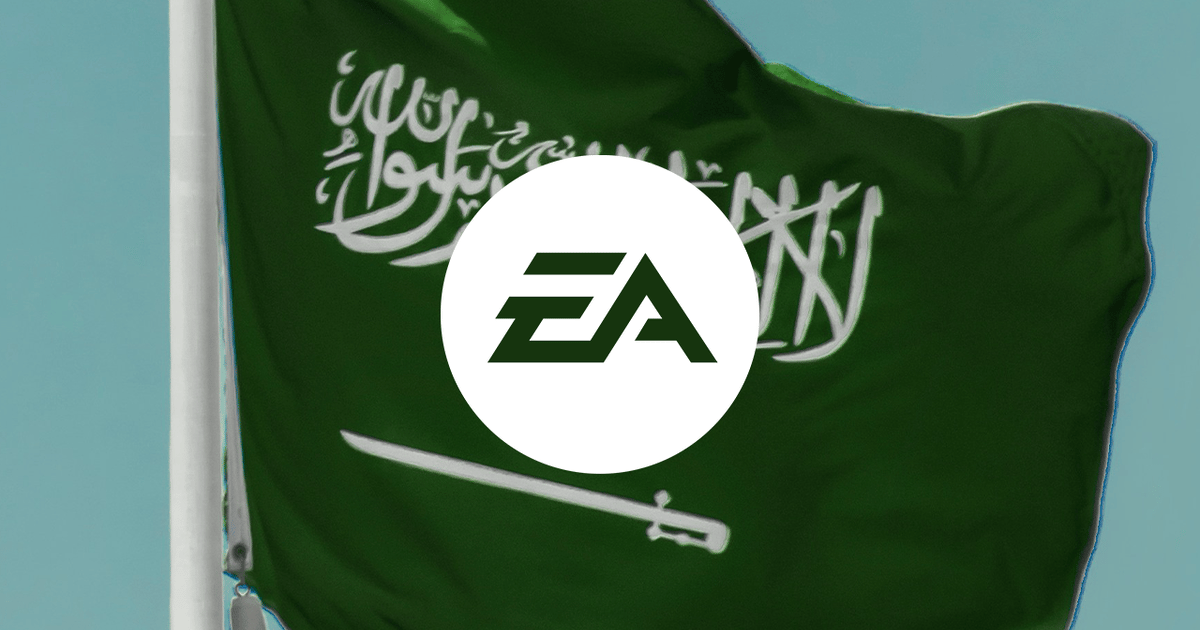
In a significant turn of events, FIFA and Electronic Arts (EA), known for the popular Battlefield series, recently completed a buyout led by the Saudi Arabian Public Investment Fund (PIF). This acquisition, making headlines for its scale and implications, has raised concerns among employees regarding the potential effects on company culture and creative freedom. The leadership at EA has expressed that the buyout will not drastically alter its existing culture, but employee sentiments suggest otherwise.
Saudi Arabia’s Influence on EA
The buyout comes in the backdrop of Saudi Crown Prince Mohammed bin Salman’s acknowledgment of using investments for the kingdom’s geopolitical ambitions. His contentious admission—claiming that sports investments could directly lead to economic growth—has fueled speculation about the motives behind acquiring major companies like EA. While some may view EA’s buyout as a strategic business move, others fear it may serve as a form of “sportswashing,” an attempt to divert attention from the nation’s human rights record by promoting a more favorable image through Western media.
Despite assurances from EA leadership that the deal wouldn’t affect the company’s culture, employees have expressed their skepticism. Many believe that the new ownership may impose restrictions on creative projects and could lead to layoffs or project cancellations that don’t align with the preferences of the Saudi regime. For many, the concern is about maintaining the progressive culture that EA has built and ensuring that the company remains a place they are proud to work for.
Employee Concerns: Culture and Job Security
Inside EA, uncertainty reigns as employees grapple with fear about job security and the changing landscape of their workplace. An anonymous employee remarked that the current atmosphere is filled with cynicism, questioning the leadership’s commitment to transparency. Town halls have reportedly offered vague reassurances rather than concrete answers regarding future changes. Such responses have only heightened the anxiety, prompting concerns that their jobs may be at risk as strategic decisions become increasingly influenced by the Saudi ownership.
Moreover, the disconnect between employees and executives has grown prominent, with some workers feeling their concerns are trivialized. Instances of casual comments from higher-ups further underscore a lack of understanding of the challenges faced by average employees. Many are struggling to make ends meet, while executives seem detached from the realities of the workforce.
The Future of EA: Possible Layoffs and Restructuring
As the new ownership begins to settle in, the question of layoffs looms ominously. Employees fear that EA might engage in a strategy of small, successive layoffs to circumvent legal obligations under the WARN Act, which necessitates advance notice of mass layoffs. The worry is that unprofitable projects or teams may face cuts not due to performance but to meet new owners’ expectations.
This anxiety is exacerbated by the financial implications of the buyout, which involved a substantial debt financing package. Many employees are concerned that the pressure to repay debt may lead to swift and severe cuts within the organization. The consensus seems to be that underperforming games or studios will likely be vulnerable to dissolution or divestment.
The mood at EA, once marked by a sense of collective engagement and transparency, seems to have shifted dramatically. Employees who once felt valued now express disappointment in leadership’s lack of concern for their well-being, reflecting a concerning evolution of company culture that prioritizes financial objectives over employee morale. The outlook, as it stands, remains grim, leaving many to ponder whether they can continue in an environment they once cherished.