
Lucid Motors stands at a pivotal moment in 2026, fueled by innovative technology and a luxury SUV that has garnered accolades. Yet, the company is currently navigating challenges related to operational consistency and financial health as it prepares for the launch of a vehicle designed to achieve market scale.
Leadership Transition and Strategic Overhaul
On June 1, Silvio Napoli, an experienced industrial operator, took the helm as CEO, marking a new phase for Lucid. Unlike a tech visionary, Napoli’s background in managing complex manufacturing frameworks positions him well to address Lucid’s operational inefficiencies. His initial focus has been on financial accountability and organizational restructuring. Recently announced layoffs impact approximately 1,500 employees—about 18% of the workforce—reflecting a significant downsizing that follows earlier reductions. The company is now more concentrated under Napoli’s leadership, with operational authority streamlined and a renewed commitment to aligning production capacity with actual demand.
Financial Challenges and Market Reactions
The urgency of this restructuring is underscored by Lucid’s financial situation. The company’s first-quarter report revealed revenue growth of 20% year-over-year, totaling $282.5 million. However, a substantial net loss of around $1 billion and delivery issues have created concern among investors. With production numbers of 5,500 vehicles but only 3,093 deliveries, the gap indicates weaker demand than anticipated. Analysts have reacted swiftly, with major firms adjusting their stock price targets downward, reflecting skepticism about Lucid’s ability to achieve its production goals for the year.
Funding Strategies and Strategic Alliances
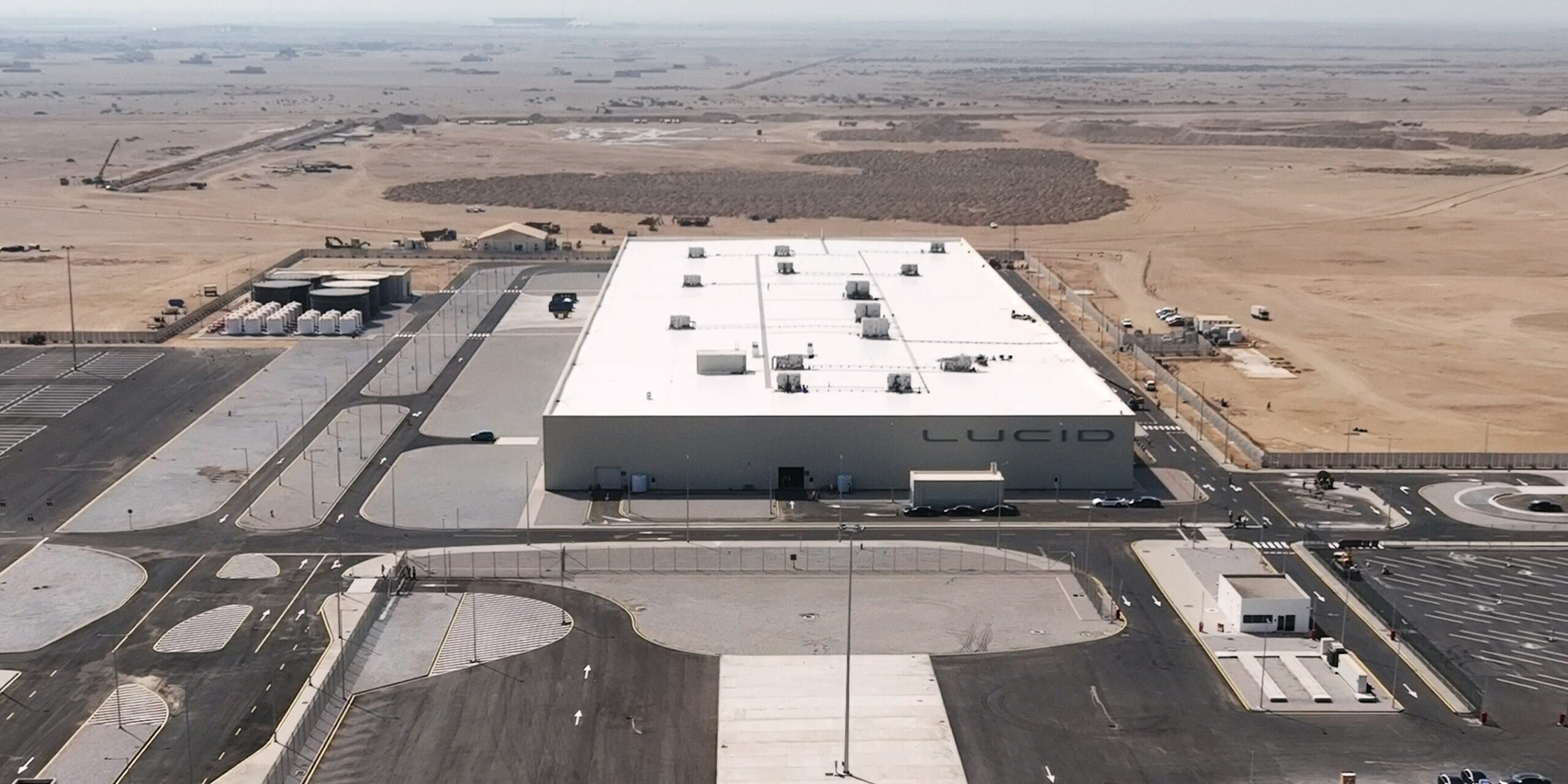
Key to Lucid’s path forward is continued financial backing from Saudi Arabia’s Public Investment Fund (PIF), which has invested over $9 billion since 2018. Recent funding injections aim to aid Napoli’s restructuring efforts. This support aligns with Saudi Arabia’s Vision 2030, which seeks to diversify the economy beyond oil by fostering advanced manufacturing. The establishment of Lucid’s Advanced Manufacturing Plant 2 (AMP-2) in King Abdullah Economic City is a significant step in this direction, with the facility expected to achieve an annual production capacity of 155,000 vehicles by 2029. The Saudi government has committed to purchasing a considerable number of Lucid vehicles, reinforcing strategic ties.
Geopolitical Challenges and Future Prospects
While ambitious plans are in place, regional geopolitical tensions pose risks. Disruptions in commercial shipping through the Strait of Hormuz could potentially impact Lucid’s supply chain. The current operational focus of AMP-2 revolves around assembling semi-knockdown kits from the U.S., gradually transitioning toward full-scale production. Despite the uncertainty, the global landscape is becoming increasingly favorable for electric vehicles, as rising oil prices enhance EV economics and may accelerate market adoption.
In conclusion, Lucid Motors possesses significant strengths and challenges as it advances through 2026. With award-winning products and substantial backing, the company is positioned uniquely within the luxury EV market. However, it must overcome substantial operational and geopolitical hurdles to emerge as a leading player in the global electric vehicle landscape. The upcoming launch of the Lucid Cosmos—aimed at capturing a larger market segment—could determine the company’s trajectory in the coming years. Whether Lucid can navigate these multifaceted challenges will be critical in deciding its future.