
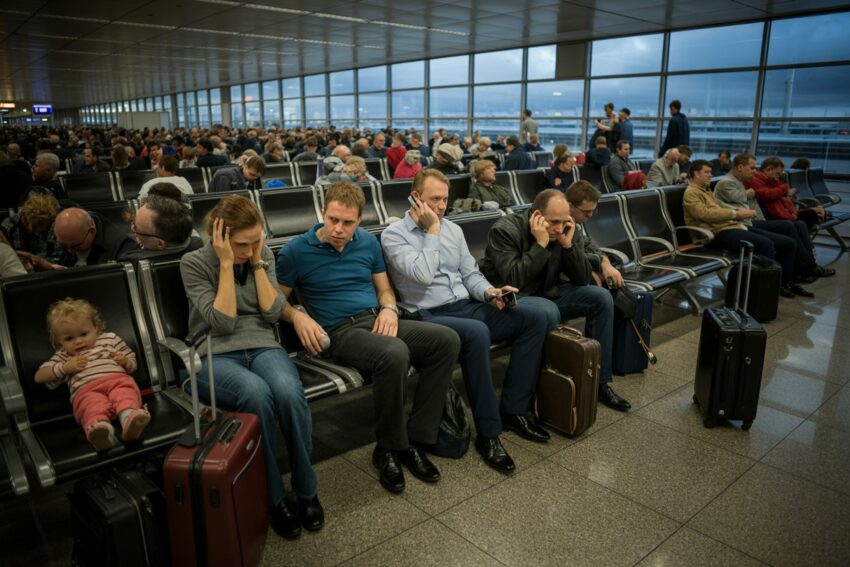
King Abdulaziz International Airport (JED) plays a critical role in facilitating travel and tourism in Saudi Arabia, connecting both domestic and international travelers. However, recent events have raised concerns about its operational reliability. On July 3, 2026, the airport experienced a troubling surge in delays and cancellations, which raises questions about its readiness to handle the increasing flow of passengers.
Impact of Flight Disruptions on Travelers
The wave of 53 flight delays and four cancellations on that single day has significant implications for travelers. Many passengers plan their trips meticulously, relying on timely departures and arrivals to maintain their schedules. Such disruptions can lead to missed connections, wasted vacations, and unanticipated expenses. Both local and international tourists may see their plans unravel, drawing attention to the need for improved airport logistics and support systems.
For business travelers, these disruptions can be even more critical. Missing a critical meeting or event due to flight delays can alter corporate strategies or even lead to financial repercussions. JED’s operational challenges underscore the necessity for airlines and airport management to enhance their communication systems, ensuring travelers are informed in real-time about potential changes to their travel itineraries.
Challenges Facing Saudi Arabia’s Tourism Sector
As Saudi Arabia works to boost its tourism sector, reliability issues at major airports like JED could pose a serious barrier. The country aims to attract millions of international tourists in the coming years, and setbacks in airport operations can tarnish the overall travel experience. Delays and cancellations not only frustrate travelers but can also deter potential visitors from considering Saudi Arabia as a viable destination.
The tourism sector heavily depends on customer satisfaction, and recurring operational issues at JED have the potential to tarnish the reputation of Saudi Arabian hospitality. It’s crucial for the airport management to explore strategies that minimize delays and ensure a seamless experience for visitors. By prioritizing service enhancements and investing in better infrastructure, the airport can bolster the nation’s tourism ambitions.
Future Prospects for King Abdulaziz International Airport
To mitigate future disruptions, King Abdulaziz International Airport must adopt proactive measures. These could include optimizing flight scheduling, enhancing staffing protocols, and implementing advanced technological solutions. Such improvements would not only enhance operational efficiency but also assure travelers that they can count on the airport for reliability.
Moreover, forming collaborative partnerships with airlines could also be beneficial. By working together, airlines and airports can find innovative ways to manage potential delays and keep passengers informed. This collaboration is vital as the airport continues to grow in importance as a travel hub in the region.
In conclusion, while the delays and cancellations on July 3, 2026, were alarming, they serve as a wake-up call for King Abdulaziz International Airport. Through enhanced operational strategies and a focus on customer service, the airport can strengthen its reputation and support Saudi Arabia’s goals for a flourishing tourism industry. It’s imperative for stakeholders to address these issues promptly, ensuring that travelers feel confident in the reliability of their airport experience.