
The recent attack by Houthi forces has severely impacted one of the world’s most vital oil transportation routes, creating a crisis for global fuel supplies. The closure of Saudi Arabia’s East-West pipeline, which typically transports around 4 million barrels of oil per day to the Red Sea port of Yanbu, marks a decisive moment for energy markets. With existing oil reserves at Yanbu expected to last just days, the implications for fuel availability and prices could be profound.
The Pipeline Crisis and Global Oil Supply
The East-West pipeline, which accounts for approximately 4% of the world’s oil supply, went offline following attacks on Saudi infrastructure over the weekend. This strategic conduit is essential not only for its volume but also because it provides an alternative route to the increasingly precarious Strait of Hormuz, a chokepoint that has faced challenges in recent months. Prior to this incident, Saudi Arabia’s crude production had already declined to 6.2 million barrels per day in August from 10.9 million in February, indicating a strained supply situation. Additionally, the International Energy Agency has projected a drop in global oil supply of around 5.7 million barrels per day for this year, exacerbating fears surrounding the current crisis.
As the ramifications of the pipeline’s closure unfold, oil prices have already begun to rise sharply. Brent crude soared to $109.51 per barrel by September 9, a significant increase from $87.77 just a few weeks earlier. West Texas Intermediate also climbed, reflecting rising costs across the board. The Energy Information Administration had already reduced OPEC’s spare capacity forecasts, indicating that there are no readily available alternatives to offset this deficit.
Effects on Consumer Prices and Economic Indicators
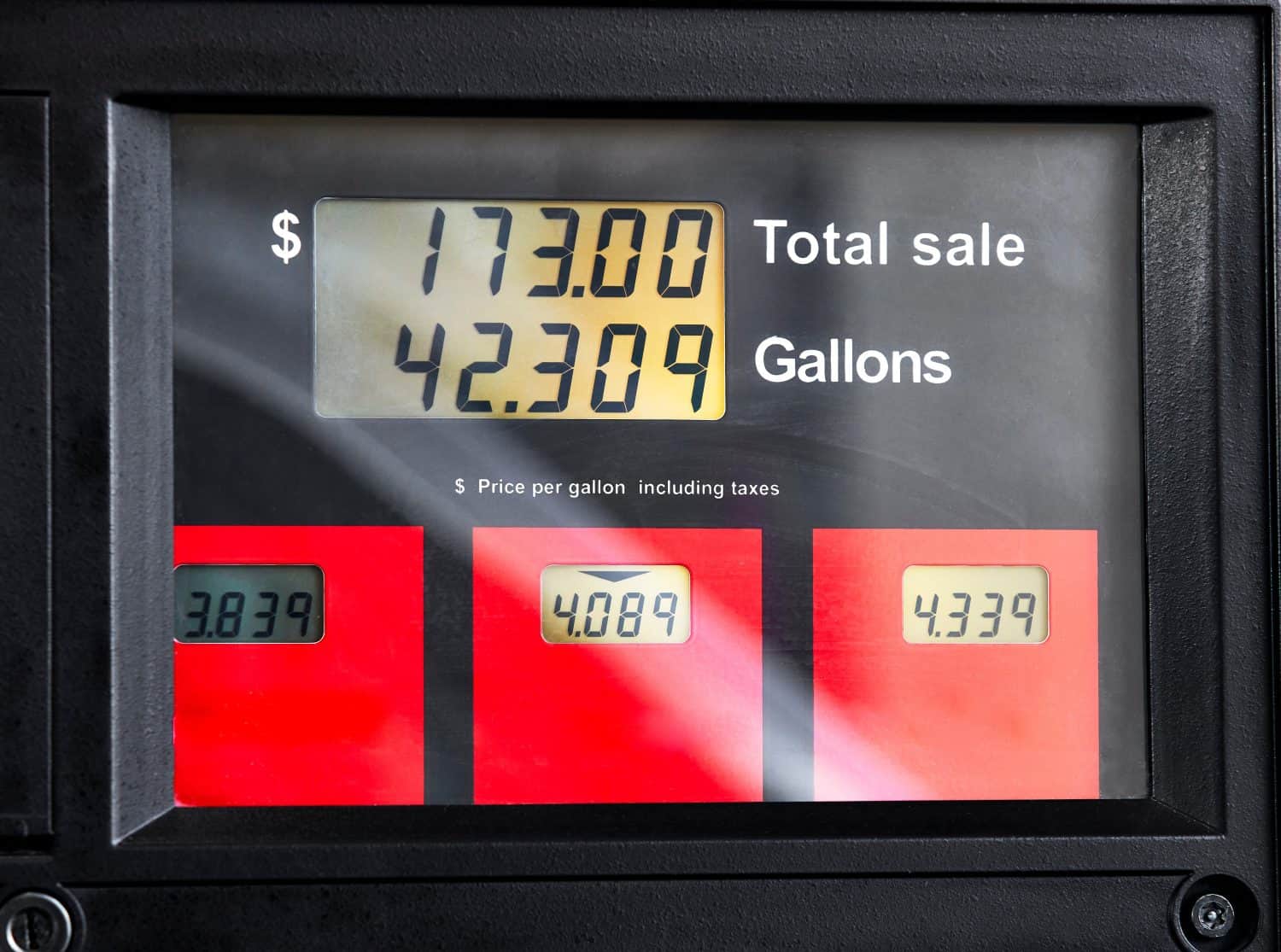
American consumers are feeling the pinch, with gasoline prices climbing to $4.31 per gallon as of September 13. This figure sits uncomfortably close to the EIA’s threshold for budget distress, with potential for further escalations if the pipeline remains down through October. Price hikes in crude oil could push gasoline prices beyond $4.50, a level seen earlier this year. The broader economic impact is already evident, with the Consumer Price Index registering a 0.4% increase in August, its highest spike during the reporting period.
Additionally, rising fuel costs are influencing mortgage rates and other financial indicators. The 10-year Treasury yield reached 4.95%, its highest since the 2008 financial crisis, further straining household budgets and raising concerns about overall economic stability. An energy price shock can have a cascading effect on various price categories, reinforcing inflationary pressures and placing additional burdens on consumers and businesses alike.
The Coming Week: What to Monitor
The next week will be critical for tracking the developments surrounding the pipeline outage. Stakeholders will be looking for any official announcements from Saudi Aramco or the Saudi energy ministry to assess if and when repairs might commence. The absence of communication past the seven-day mark, when Yanbu’s reserves run dry, would signal an extended outage, further unsettling markets. Additionally, analysts will keep a close eye on potential measures such as a Strategic Petroleum Reserve release, as the current reserves are significantly below historical averages.
If no action is taken and the pipeline remains non-operational, gas prices could see dramatic increases as Halloween approaches, signaling a broader economic strain that could consider $4.31 per gallon a bargain in retrospect. As the situation develops, both policymakers and market participants will need to respond carefully to the changing landscape in energy supply and pricing.