
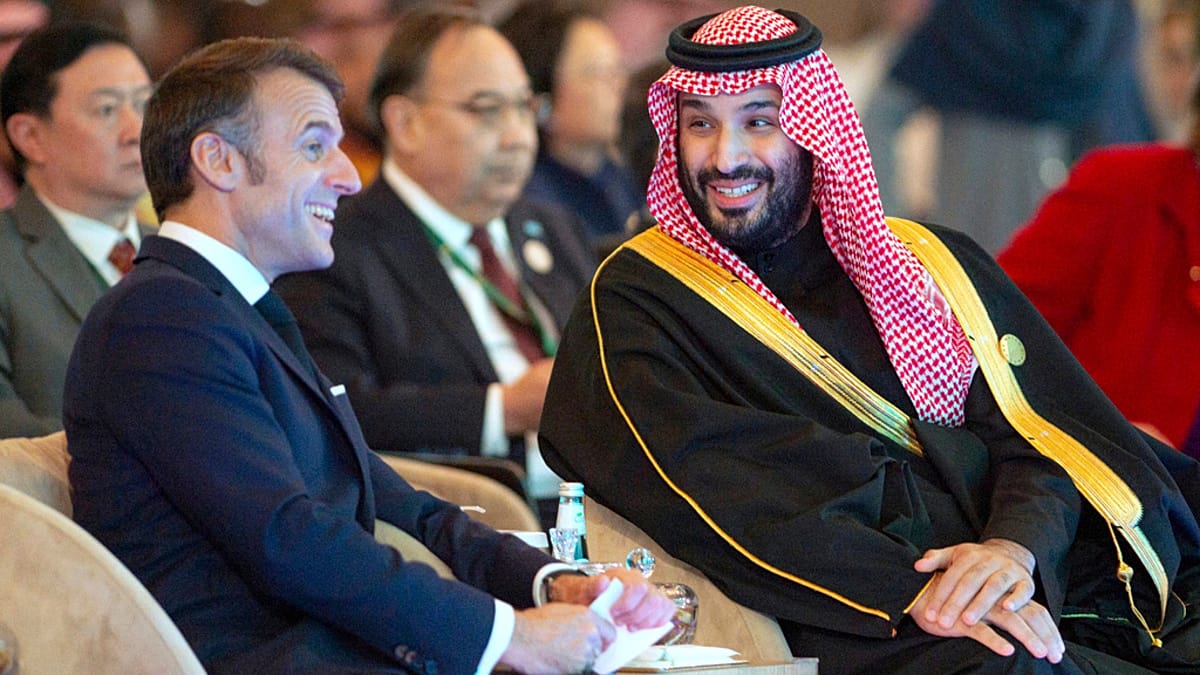
In recent years, Mohammed bin Salman, often referred to as MBS, has transitioned from being an international pariah, especially after the assassination of journalist Jamal Khashoggi, to a prominent figure in global diplomacy. His efforts to re-establish Saudi Arabia’s role on the world stage have garnered both interest and controversy.
The Transformation of MBS
Once shunned by Western leaders and organizations, MBS now enjoys renewed strategic partnerships. Following the tumultuous aftermath of Khashoggi’s murder, which occurred in 2018, the Crown Prince faced intense scrutiny and backlash. Many countries, particularly in the West, imposed sanctions or expressed public outrage, hindering Saudi Arabia’s diplomatic relationships. However, recent developments indicate a shift in perception, as MBS has astutely navigated geopolitical landscapes to revive his nation’s international standing.
Post-Khashoggi, the Crown Prince pivoted towards showcasing Saudi Arabia’s significance in various domains, including energy production, technological innovation, and geopolitical stability. His Vision 2030 initiative, aimed at diversifying the economy beyond oil, has attracted foreign investment and fostered collaborations with tech giants. This ambitious plan not only enhances Saudi Arabia’s economic framework but also strategically positions MBS as a visionary leader committed to modernization.
Economic Diplomacy and Investment
MBS has leveraged economic diplomacy to rebuild relationships with countries that had previously distanced themselves from Saudi Arabia. By emphasizing investment opportunities in sectors such as tourism, entertainment, and renewable energy, he has appealed to global partners looking for profitable ventures. The recent influx of foreign investments into projects like NEOM, a futuristic city, exemplifies this strategy.
Additionally, MBS has actively participated in international forums, such as the G20 summit, to reinforce Saudi Arabia’s commitment to global economic stability. By advocating for collaborative efforts to tackle pressing issues like climate change and technology development, he aims to enhance Saudi Arabia’s image as a responsible global player. This proactive approach enables MBS to transition from being a subject of criticism to a sought-after ally.
Shifting Geopolitical Alliances
The evolving geopolitical landscape has also played a crucial role in MBS’s resurgence. As tensions have escalated in various regions, particularly in the Middle East, Saudi Arabia’s strategic position has drawn attention from nations seeking reliable partners. The Crown Prince has capitalized on these dynamics by establishing new alliances, notably with countries like India and China, which have become vital trading partners.
Moreover, the changing relationships with the United States, particularly under different presidential administrations, have influenced Saudi Arabia’s international strategy. While the Biden administration has expressed a commitment to human rights, the strategic interests in energy and security have led to a complex balancing act, allowing MBS to re-engage with the U.S. while attempting to reshape his public image.
In summary, Mohammed bin Salman has demonstrated a remarkable ability to adapt and evolve amidst adversity. By focusing on economic growth, emphasizing strategic partnerships, and realigning geopolitical ties, MBS has managed to regain a foothold on the international stage. While challenges remain, his ongoing efforts to reshape Saudi Arabia’s narrative signal a determined ambition to establish the kingdom as a pivotal player in global affairs.