
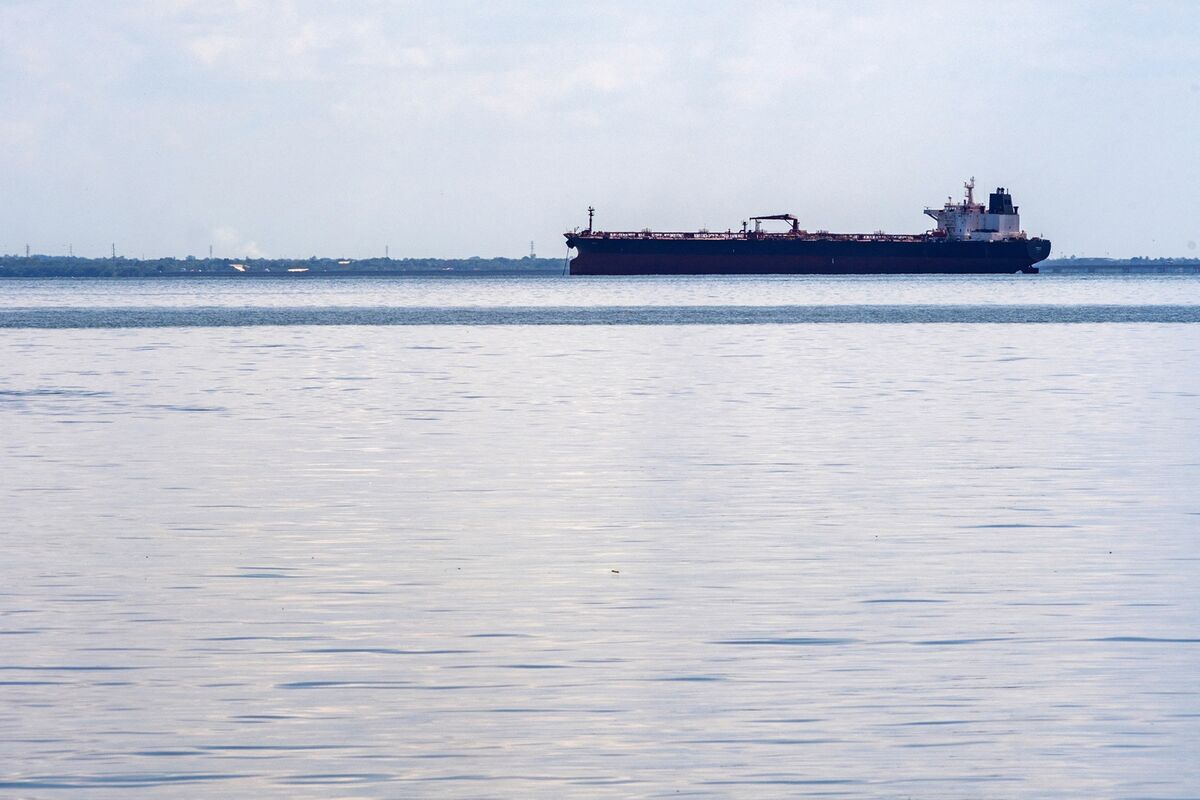
In a significant political development, five nations in the Middle East have publicly opposed Iran’s recent creation of the Persian Gulf Strait Authority. This authority aims to regulate navigation through the strategic Strait of Hormuz, a critical chokepoint for global oil transportation. The reactions from these countries underscore the tense geopolitical landscape in the region.
Overview of the Strait of Hormuz
The Strait of Hormuz is a narrow waterway connecting the Persian Gulf with the Gulf of Oman. It serves as a vital passage for a substantial portion of the world’s oil supply, making it one of the most critical maritime routes globally. Approximately 20% of the world’s oil consumption, including exports from major oil-producing countries such as Saudi Arabia and Iraq, transits through this strait. Given its importance, any attempts to exert regulatory control over the area inevitably raise international concerns and can lead to heightened tensions among regional powers.
Reactions from Middle Eastern Nations
In response to Iran’s unilateral actions, the five opposing nations have voiced their strong disapproval, indicating that such authority could threaten the free movement of maritime trade and lead to increased regional instability. By unilaterally asserting control over the Strait of Hormuz, Iran risks inflaming tensions with its neighbors, which are wary of its intentions. The opposition from these countries highlights a growing commitment to maintain open and secure shipping lanes in the region, a vital interest for both regional and global economies.
Implications for Regional Security
The establishment of the Persian Gulf Strait Authority could have far-reaching implications for regional security. As tensions rise, the risk of military confrontations increases, affecting shipping routes and the global oil market. The opposing nations have emphasized the necessity for collaborative actions that ensure maritime security, rather than unilateral moves that may provoke conflicts. As the situation unfolds, diplomatic efforts will likely be crucial in navigating these challenges.
The Economic Impact of These Developments
The geopolitical friction surrounding the Strait of Hormuz has the potential to influence not only regional but also global economic stability. Disruptions in oil supply routes can lead to fluctuations in oil prices, impacting economies worldwide. Countries reliant on oil imports are particularly vulnerable, as any potential conflict in the region could have a domino effect on energy costs. The continuous opposition from Middle Eastern countries signals a unified front that seeks to safeguard both regional trade and the stability of global markets.
In conclusion, the rejection of Iran’s establishment of the Persian Gulf Strait Authority by five Middle Eastern countries highlights the fragile balance of power in the region. As tensions escalate over control of this vital waterway, the need for diplomatic dialogue and cooperation becomes increasingly crucial. Observers will closely monitor how these developments unfold, as they will shape the future of regional security and economic stability. The international community must remain engaged, advocating for an approach that prioritizes the free movement of trade and fosters greater collaboration among Middle Eastern nations.