
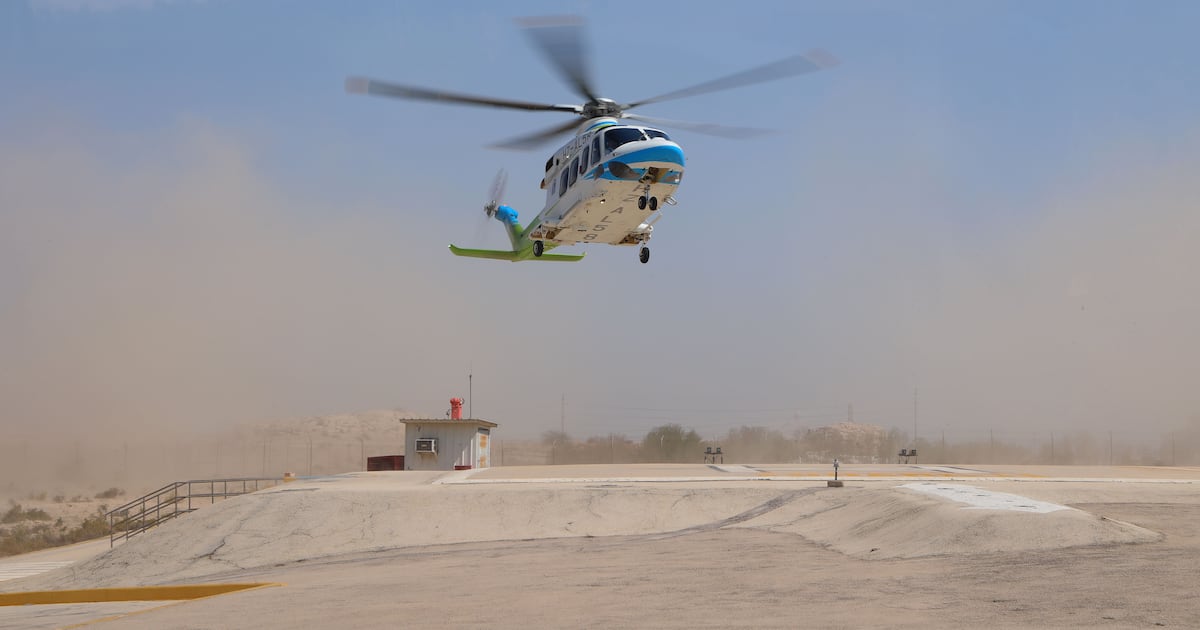
At least 14 individuals lost their lives following a helicopter crash in Ras Tanura, an incident involving an aircraft owned by Saudi Aramco, according to reports from the Saudi Press Agency. This tragic event highlights the ongoing safety concerns surrounding aviation operations in the region.
Investigation Underway
All of the passengers on the helicopter were Saudi citizens. While the cause of the crash remains unknown, authorities are actively investigating the circumstances leading up to the incident. The unfortunate event has prompted a wave of condolences from various sectors, particularly within the energy industry, underscoring the tragic loss experienced by the victims’ families.
Saudi Aramco Resumes Operations
In a related development, Saudi Aramco resumed oil loading at its Ras Tanura terminal just days prior to the crash, after a pause of nearly four months. This resumption comes as the kingdom seeks to increase its oil and gas output in response to changing market demands. As the world’s largest oil exporter, Saudi Arabia plays a crucial role in global energy supplies, with Ras Tanura being one of its key export terminals.
Ras Tanura is significant not only for its role in oil exports to major markets including Europe and Asia but also for its refining capacity. Following a drone attack earlier in the year that had temporarily halted operations due to a fire, the terminal’s operations had been carefully monitored as production ramped back up. This logistical pivot was necessary due to previous disruptions, such as restrictions imposed during the ongoing tensions involving Iran.
Global Production Trends
Saudi Arabia’s energy landscape is shifting amid a broader trend where Middle Eastern producers are ramping up their output in anticipation of an interim agreement aimed at de-escalating hostilities in the region. This increase comes as producers seek to stabilize supply lines and meet market demand. However, despite these efforts, various analysts — including those from the International Energy Agency — have expressed concerns regarding the ongoing instability in the region, noting that uncertainties could still impact energy markets significantly.
As efforts continue to stabilize the geopolitical climate, there is cautious optimism around oil production. The recent agreement between the U.S. and Iran to pause military actions indicates potential for improved market conditions. Nevertheless, experts warn that challenges in the region remain, and the situation could evolve unpredictably.
In conclusion, the tragic helicopter crash in Ras Tanura and the simultaneous resumption of oil operations highlight the complexities of the energy sector in Saudi Arabia amidst a volatile geopolitical landscape. While the kingdom pushes to restore and increase its oil output, the ramifications of regional conflicts continue to pose challenges to energy stability worldwide.