
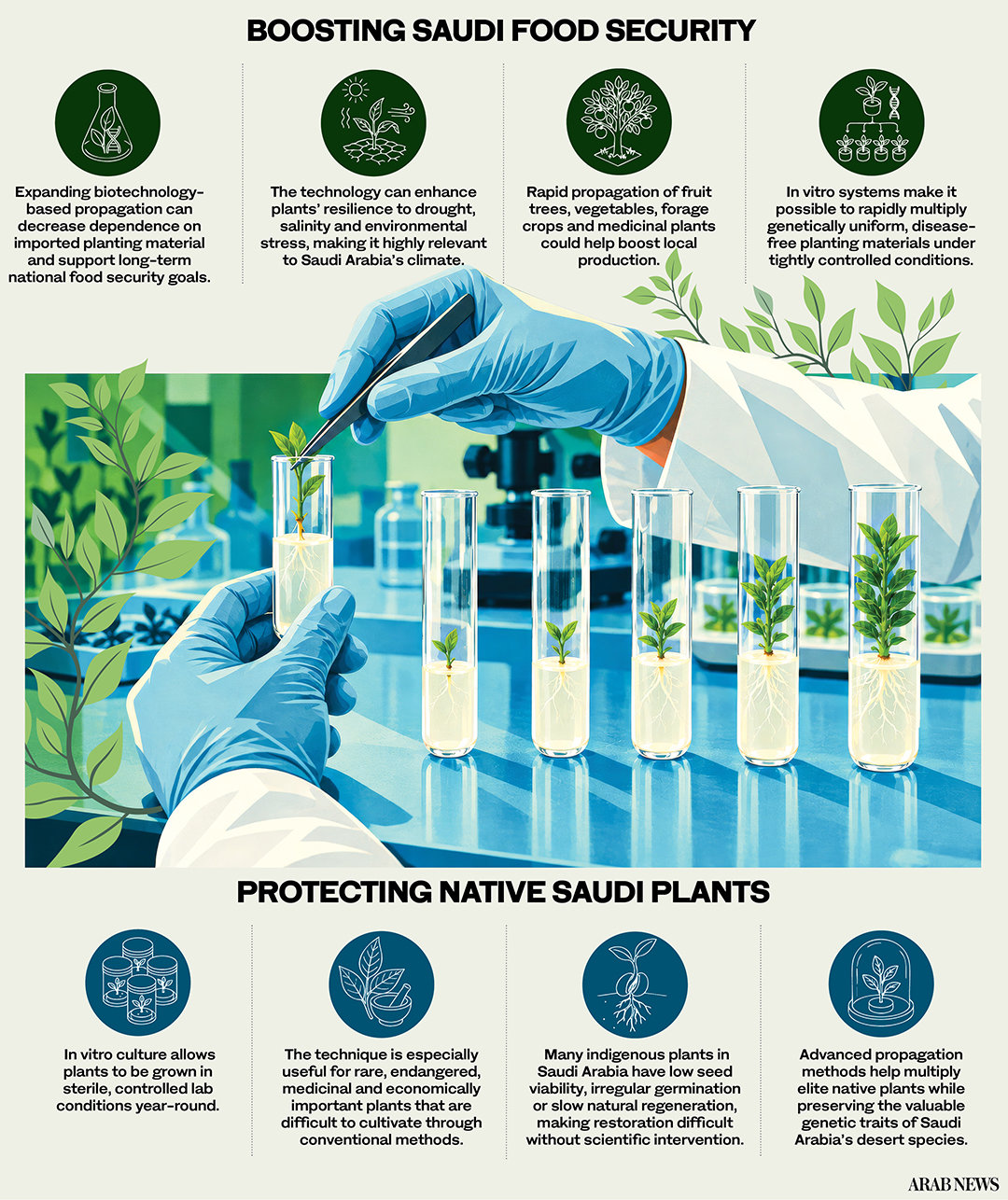
In the face of escalating global food insecurity, Saudi Arabia is embracing in vitro technology as an innovative solution to enhance its agricultural productivity. This method, which focuses on cultivating crops under controlled conditions, is not only a response to the kingdom’s environmental challenges but also a strategic move towards self-sufficiency in food production.
The Challenge of Food Security in Saudi Arabia
Food security has emerged as a pressing concern for many countries, and Saudi Arabia is no exception. With limited arable land and erratic water availability, the kingdom relies heavily on imported food. However, global supply chain disruptions and climate change pose significant threats, rendering traditional farming methods increasingly untenable. By adopting in vitro technology, Saudi Arabia aims to cultivate crops that are not only resilient but also capable of thriving in its extreme climatic conditions. This initiative could potentially transform the agricultural landscape of the kingdom.
What is In Vitro Technology?
In vitro technology refers to growing plants in a controlled environment, usually in a laboratory setting. This technique offers a multitude of advantages over conventional agricultural practices. It allows for precise control over environmental variables such as light, temperature, and nutrient supply, leading to faster growth rates and higher yields. Additionally, in vitro propagation can facilitate the preservation of plant genetics, ensuring that crops are resistant to disease and able to withstand harsh weather conditions. The integration of this technology can provide a reliable source of food while reducing the kingdom’s reliance on imports.
How Saudi Arabia is Implementing In Vitro Techniques
Saudi Arabia is actively investing in research and development to implement in vitro technologies across its agricultural sector. The government has launched various initiatives aimed at fostering collaboration between universities, research institutions, and private sector entities. These efforts include funding for advanced greenhouse facilities equipped with the latest technologies that mimic natural growing conditions. Moreover, the establishment of specialized agricultural zones allows for experimentation with a variety of crops, leading to innovations tailored to the kingdom’s unique climate.
Future Prospects for Food Sustainability
The adoption of in vitro technology holds great promise for enhancing food security in Saudi Arabia, but the journey is far from over. Continuous investment in scientific research and technology will be essential to develop sustainable agricultural practices. Furthermore, educating farmers about these innovations is crucial for widespread adoption. By enabling local farmers to utilize in vitro techniques, the kingdom can not only secure its food supply but also create a more resilient agricultural economy that can withstand the challenges of the future.
In conclusion, Saudi Arabia’s commitment to utilizing in vitro technology represents a proactive approach to addressing food security challenges. By focusing on innovative agricultural solutions, the kingdom is not just aiming for self-sufficiency; it is also setting an example for other nations grappling with similar issues. As the effects of climate change and global market fluctuations intensify, the successful implementation of these technologies could light the way toward a more sustainable and food-secure future.