
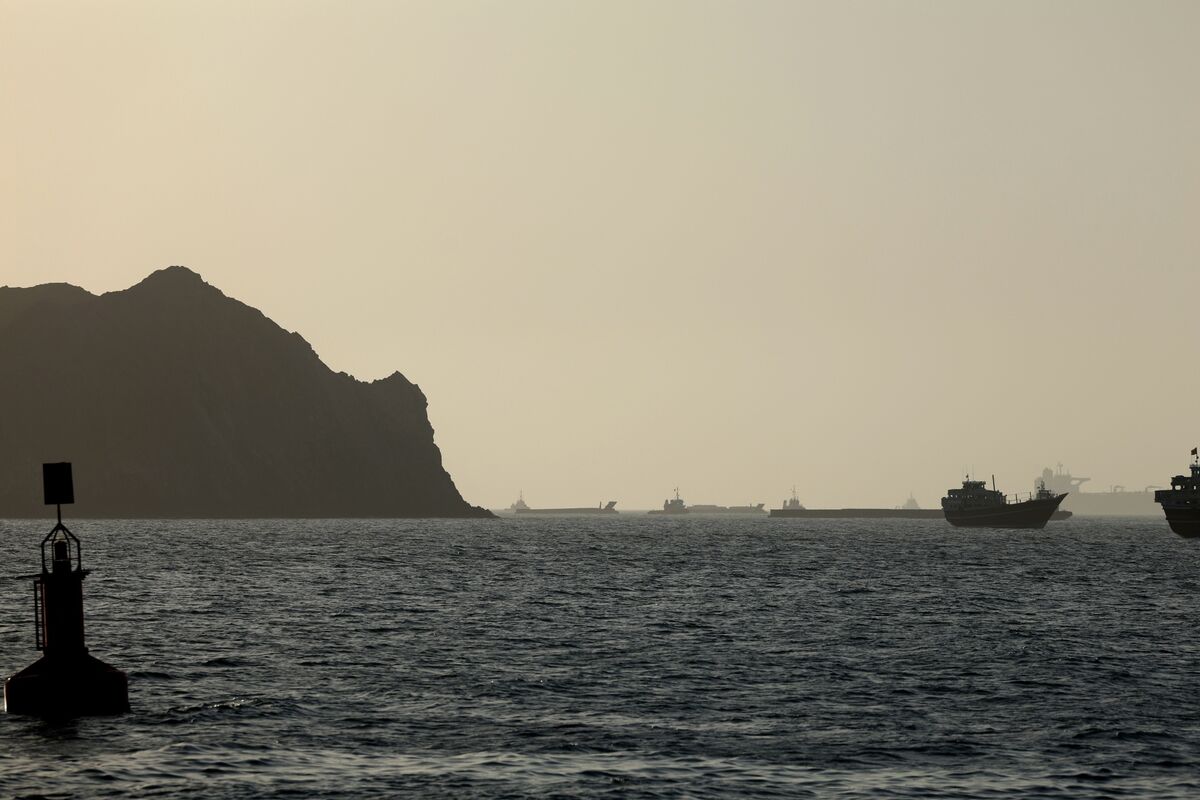
The global oil market is on edge as attention turns toward a vital waterway impacted by recent conflicts. With billions of dollars at stake, the timeline for reopening this critical route is more important than ever, especially in light of the unprecedented production cuts caused by the Iran war.
The Importance of the Waterway
This key waterway serves as a major artery for transporting oil, playing a significant role in global energy supply chains. The disruptions caused by the conflict in Iran have led to historical production declines, affecting oil prices and economic stability worldwide. Nations that rely heavily on imported oil are particularly vulnerable, as shortages can trigger price hikes and result in broader economic repercussions.
Furthermore, the waterway’s significance extends beyond just transporting oil; it also supports maritime trade and the logistical frameworks that nations depend on. The swift reopening of this channel is crucial not only for the oil industry but for international trade as a whole. Analysts are closely monitoring developments to understand how soon this vital route can resume normal operations.
The Impact of Production Cuts
The production cuts resulting from the Iran conflict mark the most drastic decline in history, posing challenges not just for gas prices, but also for long-term investments in alternative energy. Countries that previously enjoyed stable oil supplies now face uncertainty, prompting some to reconsider their energy security strategies. This shift may accelerate the transition to renewable energy sources as nations seek to diversify their energy portfolios.
While the short-term focus remains on reopening the waterway, the longer-term implications of reduced oil production could reshape market dynamics. Stakeholders, including oil companies and governments, are keenly aware that how quickly they can find a resolution will largely dictate future investments and market confidence.
Global Reactions and Strategies
Countries are reacting to the crisis with various strategies, aiming to mitigate risks associated with reduced oil supply. Governments are reevaluating their energy policies, investing in infrastructure improvements, and exploring partnerships to bolster resilience. The onus falls on energy-producing nations to respond effectively, ensuring they can meet demand while navigating geopolitical tensions.
Industry experts are advocating for a coordinated international response to maintain market stability. By fostering collaboration among oil-producing nations, countries can collectively address the challenges ahead and work toward swift resolutions that benefit all parties involved.
The Road Ahead: What Lies Beyond?
As the world awaits clarity on when the waterway will be fully operational, the focus intensifies on long-term solutions that go beyond mere recovery. Would this crisis serve as a turning point in how nations approach energy security? Will the urgency of the situation propel innovations in shipping technologies or alternative energy sources?
In conclusion, the reopening of the crucial waterway will play a pivotal role in shaping the future landscape of the global oil market. Stakeholders across the board—governments, businesses, and consumers—are all impacted by these developments, and the next steps taken will be crucial for promoting economic stability and energy security in a rapidly evolving environment. The unfolding situation serves as a reminder of the intricate connections between geopolitics and the global economy.