
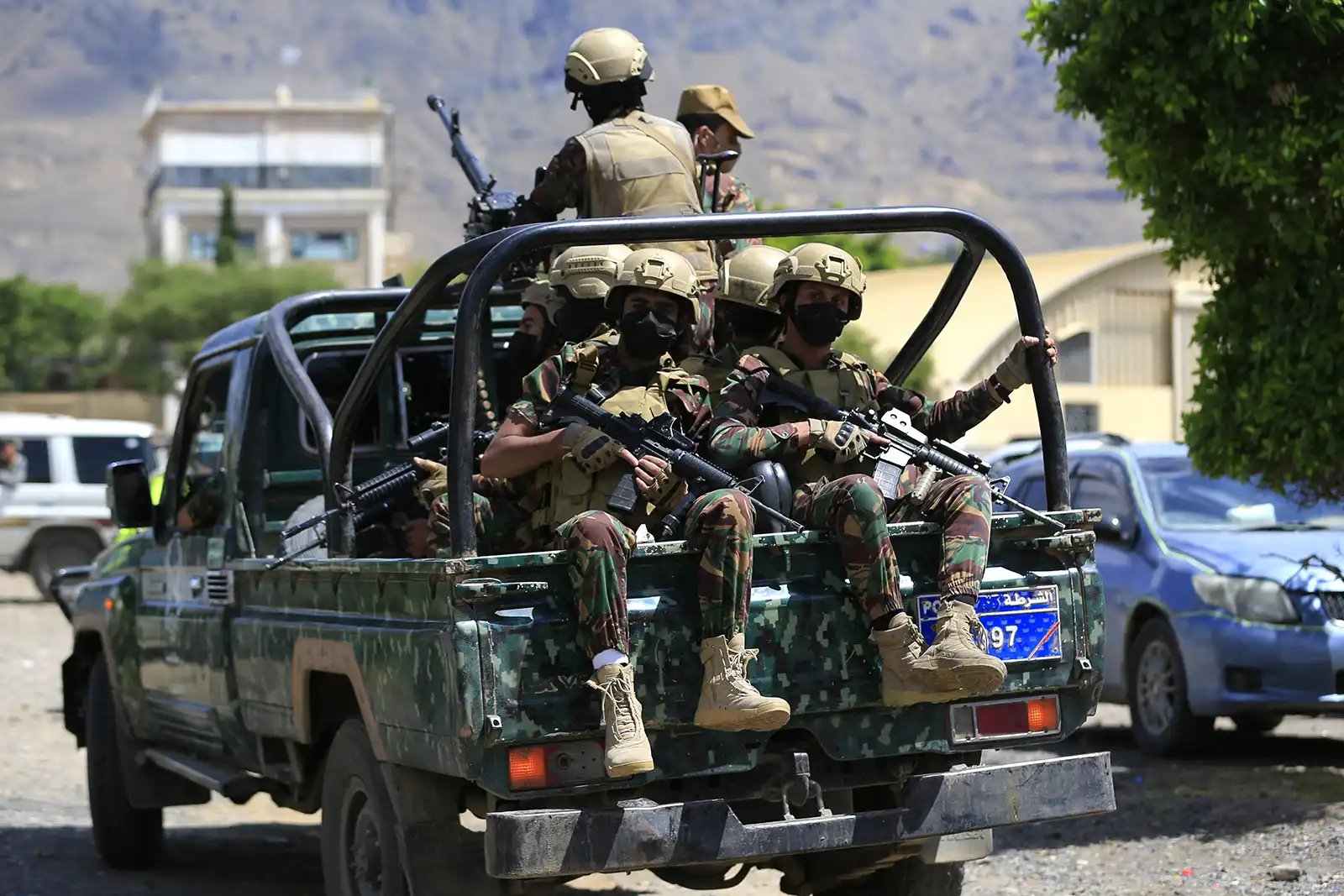
The ongoing conflict in Yemen continues to draw global attention as tensions between the Houthis and Saudi Arabia escalate. Following a perceived violation of a truce, the Houthis intensified their military actions, exposing the fragile nature of peace in the region. This situation not only affects local populations but resonates globally, impacting diplomatic relationships and economic stability.
Escalation of Houthi Actions
The Houthis reacted strongly to what they interpreted as a breach of the truce, leading to renewed military operations against Saudi Arabia. In response to Saudi Arabia’s persistent blockade of Yemen, the Houthis declared a naval blockade and conducted missile strikes targeting Saudi military installations and energy sectors. Such hostilities further complicate the already dire humanitarian situation in Yemen, which has been defined by years of conflict and suffering.
U.S. Involvement and Regional Implications
The role of the United States remains pivotal, especially as diplomatic engagements occur sporadically. Despite initial efforts to undermine the Houthis, U.S. military operations have largely fallen short of significantly disrupting their capabilities. The Trump administration has, in recent months, distanced itself from any substantial intervention in the conflict, signaling to Saudi Arabia that it may need to reassess its strategic options. Interestingly, Trump recently stated that the Houthis expressed a desire for U.S. non-involvement, adding further layers of complexity to the conflict.
The apparent lack of U.S. support has pushed Saudi Arabia to contemplate diplomatic channels, even with its traditional adversary, the Houthis. Such a shift is significant because it indicates the possibility of finding a resolution to the ongoing crisis in Yemen. However, it is still uncertain how far both sides are willing to compromise, particularly given the entrenched nature of this long-standing conflict.
The Humanitarian Toll
As the fighting intensifies, the humanitarian consequences continue to spiral. Major aid organizations and the United Nations have consistently warned that Yemen is on the brink of a renewed humanitarian disaster. The ongoing Saudi blockade and aid disruptions, exacerbated by the conflict, have led to near-famine conditions for large portions of the Yemeni population. This dire situation demands urgent attention, as the humanitarian crisis worsens alongside the military escalation.
Aside from immediate humanitarian concerns, the potential for a counteroffensive from Saudi-backed forces looms large. Such actions could result in severe ramifications for the civilian population, as has been witnessed in previous waves of violence. The prospect of a ceasefire often hangs in the balance, with any negotiations likely to hinge on concessions from both sides, particularly regarding the lifting of restrictions on Yemen’s ports and the airport in the capital, Sana’a.
In summary, the conflict in Yemen is at a critical juncture. Even after more than 11 years of war, Saudi Arabia finds itself grappling with the persistent threat posed by the Houthis. The situation remains a focal point of concern for the international community as it threatens not only regional stability but also broader economic ramifications. The world watches closely, as developments unfold in a war that has already been labeled the worst humanitarian crisis of our time.