
The Escalating Tensions between the US and Iran
In recent days, the conflict between the United States and Iran has intensified, with both nations taking provocative actions that heighten fears of military confrontation. President Donald Trump’s threats of “massive attacks” on Iran and military engagements in the region raise important questions about future U.S. policy and its implications for global stability.
Trump’s Stance and US-Iran Relations
President Trump indicated that discussions are ongoing between the U.S. and Iran, but he asserted that Tehran is not prepared for any peace agreement. Trump has committed to taking significant military action against Iran, promising “major military punishment.” This stance creates an environment filled with uncertainty, as it suggests that further escalations in conflict could be imminent, putting both regional and global security at risk.
The context of these tensions can be traced back to ongoing military operations that the U.S. has undertaken in the region. These operations have reportedly been occurring daily, coinciding with the breakdown of a ceasefire. As the situation grows more complex, it remains unclear whether Iran will respond to these threats or whether diplomatic channels will yield any results.
Missile Threats and Regional Involvement
The recent missile threats have not remained confined to rhetoric. Reports surfaced that a Greek military-operated air defense system successfully intercepted two ballistic missiles aimed at oil refineries in Saudi Arabia. This illustrates the broader implications of the U.S.-Iran conflict, as allies such as Greece take active roles in defending against perceived Iranian aggression. This particular incident suggests a growing concern for regional energy security, particularly given the strategic importance of the oil industry in the Middle East.
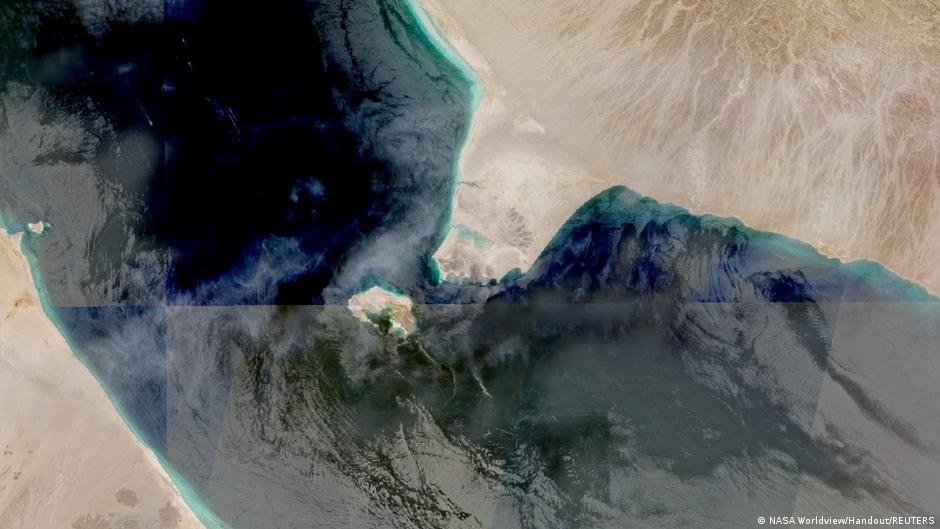
Furthermore, the Houthi rebels in Yemen have escalated their assaults by claiming missile attacks on Saudi Arabia. The Iranian-backed group accused Riyadh of escalating tensions and vowed to retaliate for the Saudi-led coalition’s airstrikes on their positions in Yemen. This reflects a multi-layered conflict where regional powers are increasingly becoming embroiled in the larger U.S.-Iran showdown, fueling further instability.
The Implications of Pickaxe Mountain
Compounding these tensions is the mysterious facility located near Iran’s Natanz nuclear site, often referred to as Pickaxe Mountain. Trump recently mentioned the site, indicating it could be a potential target for military strikes due to suspicions of nuclear activities. The lack of information from Tehran regarding this facility raises eyebrows around the world and leaves many questions unanswered about Iran’s nuclear ambitions. Analysts suggest that the complexity of this underground complex makes any military action challenging and potentially ill-advised.
In summary, the deteriorating situation between the U.S. and Iran, coupled with regional developments involving missile threats and military actions, exemplifies a broader conflict that has severe global implications. With both nations seemingly unwilling to back down, and numerous allies involved, the stakes have never been higher. Observers will be closely monitoring the situation as it develops, particularly regarding the potential for diplomacy or, conversely, military confrontation in an already volatile region.