
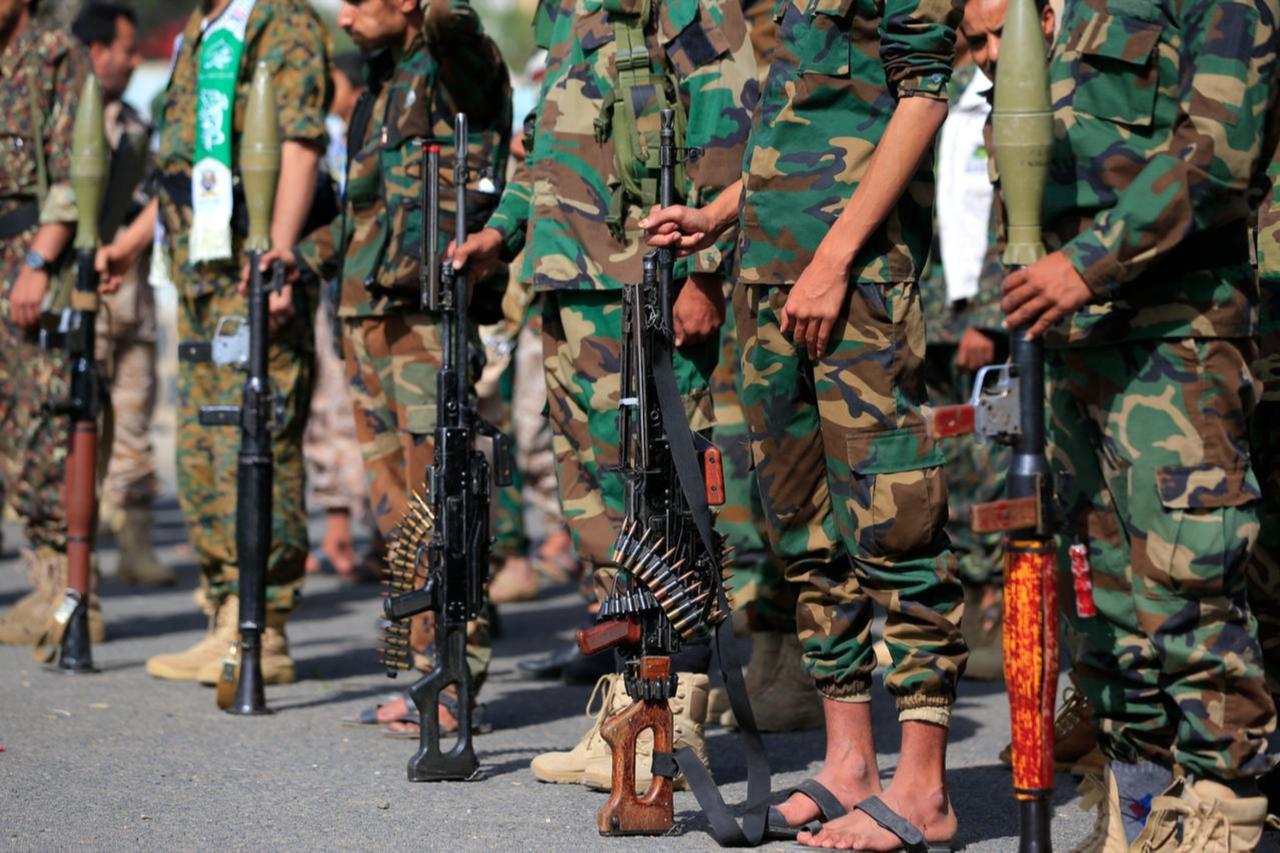
Yemen’s Houthi rebels recently reported that Saudi Arabia has conducted over 50 airstrikes against their positions within a 24-hour period. This development comes shortly after the Houthis launched a notable drone and missile assault on a Saudi military base deep into the kingdom, marking a significant escalation in ongoing hostilities.
Escalating Conflict in Yemen
The intensifying conflict follows a re-ignition of Yemen’s civil war that began in July, disrupting the relative calm that had prevailed since a ceasefire in 2022. According to Houthi military spokesman Yahya Saree, the group recorded a total of 58 airstrikes attributed to Saudi forces, although these claims have not been verified independently. The Saudi government has not provided substantial commentary regarding these air operations, which suggests a lack of clarity about their impact.
Reports indicate that the Houthi forces have faced over 100 strikes since the beginning of the week. Notably, the Houthi-run Almasirah TV channel documented two significant strikes on Saada, a historical stronghold of the Houthis, and artillery fire was also reported in the border region of Monabbih. Additionally, the Houthi media stated that further Saudi strikes targeted a market in the northern province of Al-Jawf.
The primary focus of these airstrikes appears to be front-line areas, aimed at bolstering Yemeni government forces. Notably, Saudi authorities have avoided targeting Sanaa, the capital and the Houthi power base. The situation escalated further when the Houthis executed one of their most extensive missile and drone strikes on Saudi territory in years, resulting in injuries to 73 individuals and damage to oil installations.
Strategic Importance of the Bab el-Mandeb Strait
The renewed fighting comes on the heels of a Houthi offensive that allowed them to strengthen their control over Yemen’s Red Sea coastline, particularly the Bab el-Mandeb Strait, a crucial chokepoint for global shipping. The implications are significant given the ongoing tensions involving the Strait of Hormuz, which has heightened the strategic importance of the Red Sea for Saudi oil exports.
This new phase of conflict began when the Houthis allowed an Iranian aircraft to land in Yemen, challenging Saudi control over the nation’s airspace. In retaliation, the Yemeni government targeted Sanaa’s airport, which the Houthis blamed on Saudi Arabia. This mutual escalation led to the Houthis declaring a maritime blockade against Saudi Arabia, further complicating the situation in the region.
Humanitarian Crisis Deepens
The renewed hostilities have resulted in a rapidly worsening humanitarian situation. As reported by the UN’s International Organization for Migration, approximately 86,000 people have been displaced in Yemen recently, marking a drastic spike as tens of thousands seek refuge. Tragically, some have opted to flee the country entirely, with more than 2,000 arriving in Djibouti to escape the violence.
The conflict in Yemen has increasingly drawn in both regional and global powers, illustrating its significance as one of the latest fronts in a broader Middle East conflict. Government officials in Saudi Arabia, including Crown Prince Mohammed bin Salman, have reportedly sought assistance in dealing with the Houthis, even reaching out to international leaders for potential military support.
In conclusion, the cycle of violence in Yemen not only exacerbates the already dire humanitarian conditions but also risks drawing in outside actors into a protracted conflict, further complicating prospects for peace in the region. The urgent need for diplomatic solutions becomes ever more critical as the situation continues to deteriorate.