
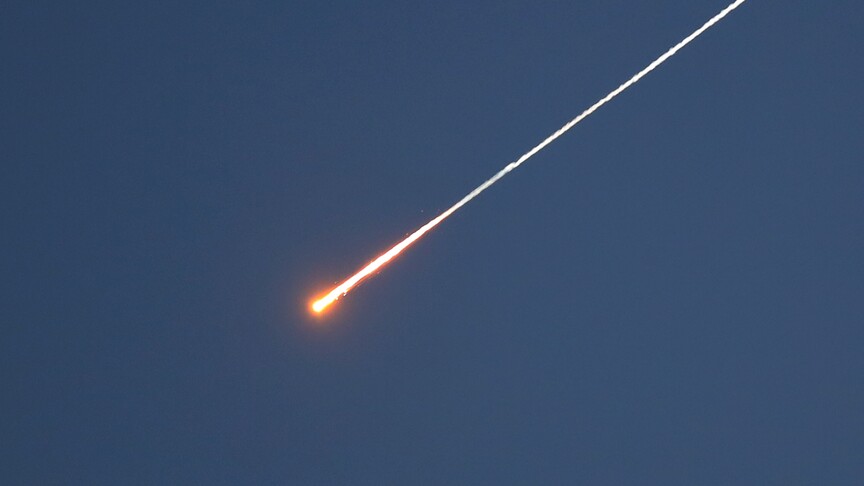
As Saudi Arabia grapples with escalating threats to its oil and gas facilities, the kingdom faces increasing pressure to bolster its air defenses. The persistent rise in missile and drone attacks, particularly from the Houthis in Yemen and Iran-allied groups in Iraq, heightens the urgency to safeguard critical infrastructure. Addressing these challenges requires not only military deterrence but also careful diplomatic engagement.
Strengthening Air Defenses Amid Growing Threats
Saudi Arabia’s air defense system is among the most advanced globally, effectively intercepting numerous incoming threats. Recent interceptions demonstrate this capability, with coalition forces announcing the destruction of several drones aimed at the kingdom. However, the complexity of the situation is underscored by successful attacks, such as the devastating Houthi strike on King Khalid International Airport that resulted in significant casualties. Even successful defenses can lead to unintended harm, shown by the deaths caused by debris from intercepted threats.
Saudi Arabia recognizes that maintaining a secure environment is critical, not only for national security but also for attracting foreign investment as part of its economic diversification efforts. The vast geography of the kingdom complicates this task, as critical sites—ranging from energy facilities to transport hubs—are dispersed across an area of approximately 2.15 million square kilometers. Protecting these installations requires comprehensive radar networks and early-warning systems capable of responding to a multitude of potential threats.
Regional Partnerships and Military Readiness
To enhance its defenses, Saudi Arabia is actively pursuing regional alliances. The Mecca Joint Defense Agreement, signed with Türkiye and Pakistan, signifies a commitment to collective security. This agreement posits that an attack on one member is perceived as an attack on all, facilitating rapid deployment of joint forces in times of crisis. Additionally, recent discussions with Egypt indicate a willingness to collaborate further on military readiness.
This regional cooperation is vital, especially considering the complexities of the threats posed by the Houthis. With a well-equipped arsenal, the Houthis have demonstrated resilience, capable of utilizing ceasefire periods to improve their military capabilities. They pose a continual risk to Saudi interests, not just through direct assaults but also by threatening critical maritime trade routes.
Challenges of Ground Operations
While Saudi Arabia boasts a formidable air force capable of launching strikes against Houthi positions, experts assert that achieving a decisive outcome will require a more coordinated ground presence. The urban and rugged terrain of Yemen provides ample cover for Houthi forces, complicating airstrike effectiveness. Moreover, the reliance on anti-Houthi groups within Yemen presents challenges due to their varying political motivations and lack of a unified command.
A long-term military campaign against the Houthis not only poses significant operational risks but also raises political concerns. The ongoing turmoil has not yielded a clear resolution since Saudi Arabia’s intervention began in 2015. Continued military engagement could exacerbate the situation rather than provide lasting security.
The Need for Diplomatic Solutions
Riyadh’s diplomatic landscape is intricate, encompassing negotiations with the Houthis while managing relations with Iran. Observers note that the Houthis are not seeking outright victory but rather aim to secure a favorable status quo within Yemen. Previous negotiations have included Saudi financial support for the region’s public-sector workers, illustrating a complex interplay of power dynamics and concessions.
Despite frustrations, Saudi policymakers remain engaged in diplomatic discussions with Tehran. The path forward requires a careful balance: deterring aggressive actions while avoiding an escalation of military conflict. The likelihood of fully defeating the Houthis remains dubious, suggesting that Saudi Arabia may ultimately have to return to the negotiating table.
In conclusion, the situation demands a multipronged approach: robust air defenses complemented by strategic partnerships and a willingness to engage diplomatically. Faced with limited options, Saudi Arabia’s ability to navigate these turbulent waters will significantly influence regional stability and its national security.