
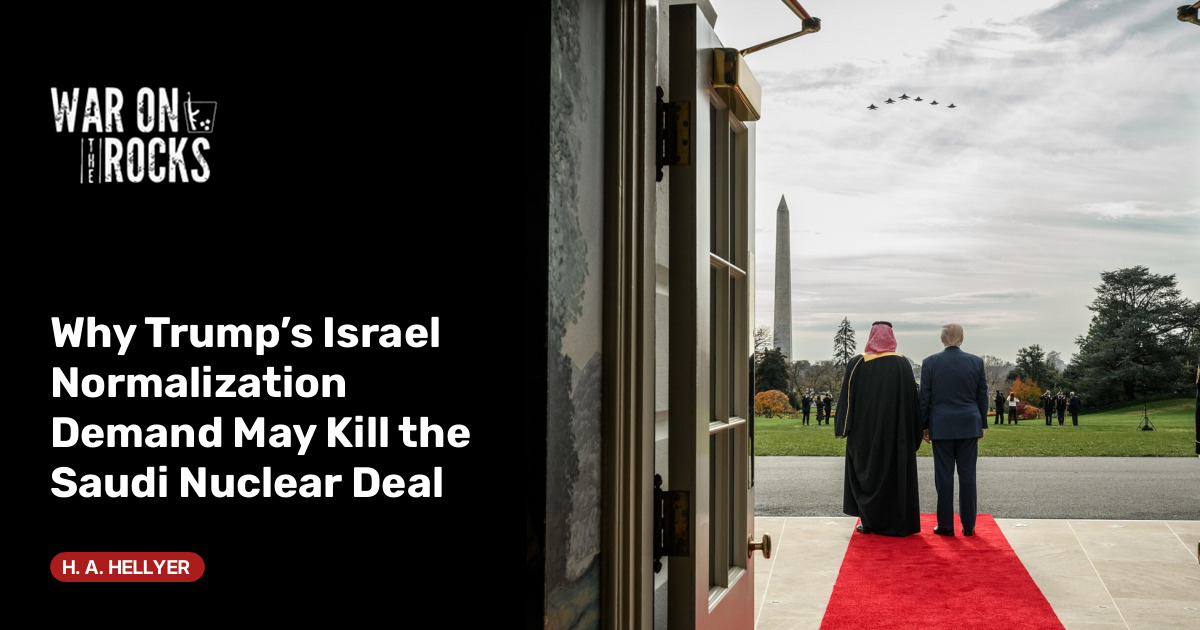
In a surprising turn of events, President Donald Trump recently cast doubt on a significant civilian nuclear agreement with Saudi Arabia, just days after the administration hailed it as a milestone. In a post on Truth Social, Trump stated that the deal was “totally subject” to Saudi Arabia’s normalization of relations with Israel, a condition that had not been mentioned in the official announcement. This sudden shift not only jeopardizes the agreement’s viability but also highlights the unpredictable nature of policymaking under Trump’s second administration.
A Reassessed Diplomatic Stance
The normalization condition that Trump imposed contradicts previous diplomatic efforts and initiatives. For years, Saudi Arabia has maintained that normalization with Israel hinged on critical issues such as Palestine, including its statehood and the status of refugees. The backdrop of Israel’s actions in Gaza and its regional relations complicates this further, making Saudi acceptance of normalization unlikely. Analysts note that both the Trump and Biden administrations have recognized that coercing Riyadh into such an agreement is impractical; Saudi Arabia’s strategic independence has only expanded in recent years.
Implications for U.S.-Saudi Relations
Despite the fragile status of the nuclear deal, the U.S. continues to value its partnership with Saudi Arabia across energy, technology, and mineral resources. There’s a pressing need to ensure that Riyadh’s nuclear ambitions do not fall into the hands of rival powers like China or Russia. While the nuclear deal may seem strategically sound, critics question its implications on nonproliferation, citing concerns over pathways to uranium enrichment. The more pressing concern is how Git-based politicization affects foreign relations, especially when it comes to compelling cooperation.
Political Maneuvering and Strategic Calculations
The imposition of the normalization condition serves as a political tool for the Trump administration, offering an escape hatch from a potentially contentious congressional debate. By placing the onus on Saudi Arabia, the administration avoids the embarrassment of legislative defeat should Congress actively challenge the agreement. Further complicating the situation is Trump’s contradictory messaging on uranium enrichment, suggesting either a disconnect within the administration or a deliberate distancing from a deal that seems increasingly tenuous.
In summary, this episode underscores how domestic political considerations can reshape foreign policy at a critical juncture, transforming strategic agreements into subjects of internal contention. The normalization condition serves not just as a negotiation tactic but as a mechanism to sidestep challenges that could arise in Congress regarding support for the agreement. As this latest chapter unfolds, it remains crucial to monitor both U.S.-Saudi relations and the implications for regional stability.
In the end, while the formalities of the nuclear agreement may appear to falter under the weight of new conditions and chess-like maneuvers, the fundamental dynamics of U.S.-Saudi relations persist. Riyadh’s nuclear ambitions won’t diminish, nor will its energy needs, making the choice between American oversight or foreign partnerships a central theme in future geopolitical discussions.