
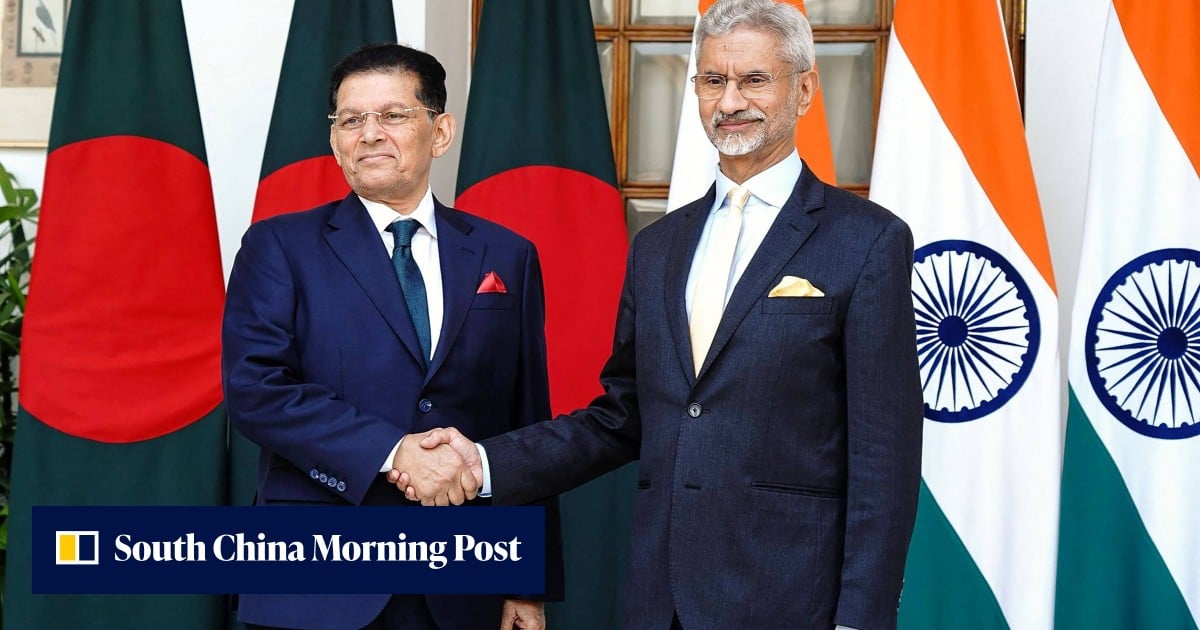
Bangladesh is at a pivotal moment as discussions about joining a defense agreement with Saudi Arabia, Turkey, and Pakistan gain momentum. This potential shift could empower Dhaka in its diplomatic relations, particularly with neighboring India. However, experts caution that entering such a pact could strain Bangladesh’s traditional stance of strategic neutrality and may provoke concerns from a vigilant New Delhi.
Potential Membership in the Mecca Pact
On August 27, Foreign Minister Khalilur Rahman announced in parliament that Bangladesh is contemplating joining the recently established Mecca Pact, a security arrangement initiated by Saudi Arabia. Sources indicate that the invitation for Bangladesh to join originated from Riyadh, indicating the growing interest in strengthening ties among Muslim-majority nations.
State Minister for Foreign Affairs Humayun Kabir echoed this sentiment, stating, “If there is a security arrangement among Islamic nations in the Middle East, it is not unusual for us to consider participating. It is being viewed positively.” This suggests that the Bangladesh government is exploring new alliances in a shifting geopolitical landscape, which could have far-reaching implications.
The Defense Agreement’s Significance
The Mecca Pact, signed on August 7, contains a mutual defense clause that treats an armed attack on any signatory as aggression against all member states. This mutual defense understanding has led to it being informally dubbed the “Islamic NATO.” Such an arrangement could offer significant benefits for Bangladesh, providing a collective security framework that might serve as a deterrent against regional threats.
Prominent scholars, like Shafi Md. Mostofa from the University of Dhaka, argue that Bangladesh’s accession to the treaty could compel India to adopt a more cautious approach when dealing with Dhaka. Heightened vigilance from New Delhi may arise due to its historical concerns over security dynamics in the region.
Challenges and Regional Dynamics
However, the move comes with inherent risks. Bangladesh has long embraced a policy of strategic neutrality, balancing its relationships with various nations, including India. Critics argue that joining the Mecca Pact could upset this balance, eliciting unease in New Delhi, which may view this defense partnership with suspicion. The evolving security calculus in South Asia means that even a slight shift can trigger complex geopolitical reactions.
Moreover, the intricate web of relations between Bangladesh and its regional neighbors requires careful navigation. As Dhaka emerges from a phase of relative isolation in terms of military alliances, becoming part of a defensive coalition could reshape its foreign policy landscape in unprecedented ways.
Joining the Mecca Pact could present Bangladesh with new opportunities while simultaneously challenging its diplomatic standing. As Dhaka weighs its options, the implications of such a decision will likely reverberate throughout the South Asian region, necessitating a thorough evaluation of both benefits and risks.