
Iraq has put forth a proposal for a joint security council aimed at bridging the gap between Iran and Saudi Arabia. A senior Iraqi official disclosed this initiative, pointing to a prevailing “crisis of trust” between these two influential nations in the Middle East.
Understanding the Proposal
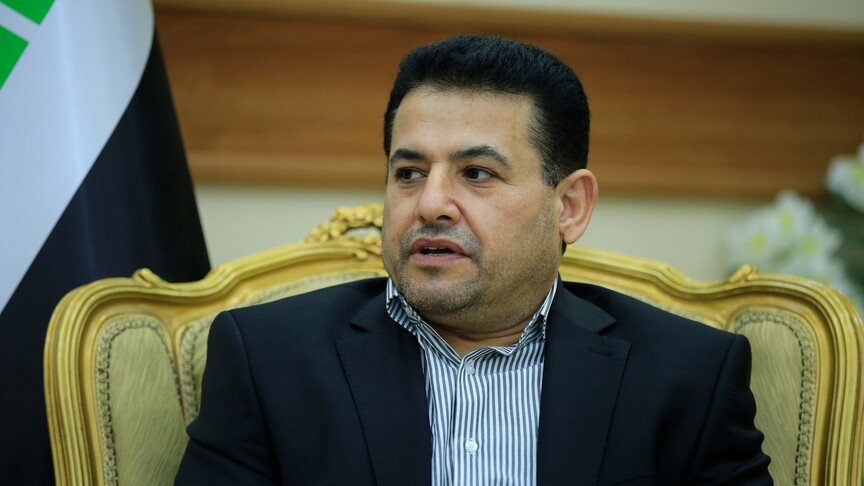
Qasim al-Araji, the national security adviser to the Iraqi Prime Minister, elaborated on the proposal during an interview with Iraqiya TV. He emphasized that trust issues between Iran and Saudi Arabia have reached a critical point, necessitating dialogue and collaboration. Although further specifics regarding the framework of this joint security council were not provided, the proposal aims to foster communication and reduce tensions in the region.
The situation underscores the importance of state governance. Al-Araji remarked on Iraq’s decision to ensure that all armaments are under the control of the state, stressing that issues of war and peace are strictly matters for the Iraqi government. This move is crucial in tackling the longstanding challenge of various armed factions that operate within the nation, which have often acted independently of state jurisdiction.
Regional Context and Tensions
The timing of Iraq’s initiative coincides with rising regional tensions, particularly following recent security concerns. Shortly after discussions between Iraqi Foreign Minister Fuad Hussein and his Saudi counterpart Faisal bin Farhan highlighted the importance of peaceful conflict resolution, Saudi Arabia reported intercepting multiple drones that originated from Iraqi territory. These drones targeted key oil facilities in both the Eastern Province and Riyadh, escalating concerns about security and stability in the region.
Saudi Arabia attributed the drone attacks to “Iran-affiliated militias,” raising alarms over regional proxy conflicts. In response, the Saudi government has made it clear that it reserves the right to retaliate. Following these incidents, Iraqi Prime Minister Ali al-Zaidi instructed security agencies to investigate the claims of incursions from Iraqi territory, showcasing the importance of collaboration and oversight within Iraq’s security apparatus.
The Path Forward
Iraq’s proposal for a joint security council could be a step toward fostering better relations between Iran and Saudi Arabia. Building trust through diplomatic engagement is essential for managing conflicts that could escalate into broader regional disputes. As tensions fluctuate, the proposed council may provide a platform to mediate disputes and enhance communication between the two nations.
Ultimately, this initiative not only aims to secure regional stability but also reflects Iraq’s commitment to asserting its sovereignty by emphasizing state authority over armed groups. The effective implementation of such a proposal could be pivotal in shifting the dynamics of power in the region and paving the way for more comprehensive security agreements that prioritize peace and cooperation.
By addressing the pressing security challenges and facilitating dialogue among local and regional powers, Iraq hopes to play a constructive role in fostering a more stable Middle East. The success of this proposal may hinge on the willingness of both Iran and Saudi Arabia to engage meaningfully and prioritize long-term strategic interests over immediate political grievances.