
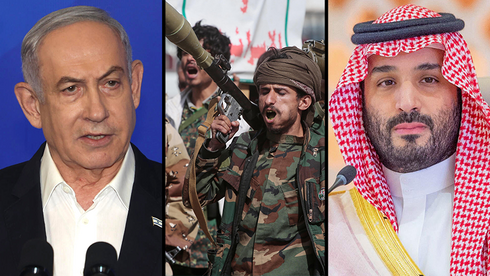
Recent developments have emerged, highlighting Israel’s growing intelligence collaboration with Saudi Arabia amidst escalating tensions with Yemen’s Houthi forces. As diplomatic channels evolve, both nations are seeking to bolster security strategies without directly engaging in military conflict.
Intelligence Support and Military Coordination
Reports indicate that Israel has begun to provide intelligence assistance to Saudi Arabia. This support is facilitated through the U.S. military’s Central Command (CENTCOM) but does not involve direct Israeli military action. Sources indicate that CENTCOM commander Admiral Brad Cooper recently visited Saudi Arabia, where he met with Crown Prince Mohammed bin Salman. Their discussions primarily revolved around regional security challenges in light of increasing Houthi activities in Yemen, signaling a shift toward closer security cooperation among these nations.
Rising Threats from Houthi Forces
The backdrop of this intelligence sharing is a significant uptick in Houthi aggression. Recent incidents have expanded the threat range, now encompassing areas as vital as Mecca and Jeddah, critical to the Saudi Arabian economic and religious identity. Alerts have also been issued in other key locations, demonstrating the growing scale of the Houthi threat, as missile and drone attacks have focused on Saudi cities and military installations. The Saudi coalition has reported civilian injuries and damage to property from these attacks, underscoring the urgent need for enhanced defense measures.
The Role of U.S. Support
In conjunction with Israeli assistance, the United States has indicated its willingness to provide intelligence support to Riyadh, helping to identify Houthi targets. Despite a request from Mohammed bin Salman for direct U.S. military action against the Houthis, President Trump declined, emphasizing an approach focused on intelligence rather than intervention. This strategy appears aimed at preventing U.S. entanglement in another military confrontation while still supporting a key ally in the region.
Impact on Regional Dynamics
The ongoing situation amplifies the complexities of regional politics, especially given the Houthis’ recent territorial gains within Yemen, including capturing strategic areas like the port city of Mokha and the island of Perim in the Bab al-Mandeb Strait. These advances increase their capability to disrupt essential shipping routes, particularly concerning for Saudi Arabia, as tensions persist with Iran over the Strait of Hormuz. The urgency of these security threats may accelerate collaborative efforts among Israel, Saudi Arabia, and the U.S., pushing for a unified front against Houthi aggressions.
The current scenario underscores a pivotal moment for Saudi Arabia as it faces simultaneous threats to its national security and energy infrastructure. After years of avoiding full-scale warfare in Yemen, the country’s strategic calculus may need reevaluation in response to the mounting Houthi pressures and Israeli intelligence partnerships.
In summary, the burgeoning ties between Israel and Saudi Arabia, combined with U.S. support, may redefine the Middle Eastern security landscape, as all parties strive to counterbalance Houthi advances and ensure regional stability. As these developments unfold, the implications will likely prompt further collaboration between aligned nations seeking to address shared security concerns in this volatile region.