
Advanced Israeli weaponry, particularly sophisticated air defense systems and high-tech battle gear, has reportedly been sold to nations such as Qatar and Saudi Arabia. This development, highlighted in a recent investigation, showcases the complex relationship between Israel and its neighboring states, particularly in the realm of military procurement and defense collaborations.
Deployment of Advanced Defense Systems
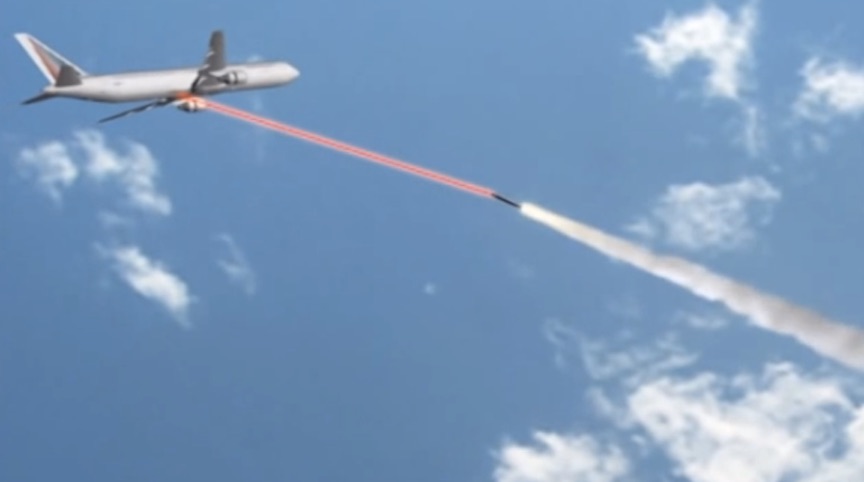
The report indicates that among the Qatari royal family’s fleet of 11 aircraft, three are now equipped with Elbit’s C-MUSIC air defense system. This installation occurred during maintenance operations conducted in Basel from 2020 to 2022. The capability of the C-MUSIC system lies in its advanced radar technology, which can detect and neutralize incoming MANPADs (man-portable air-defense systems) through the use of a powerful laser. Its straightforward operational design means that no extensive training is required for flight crew members to use the system effectively.
Interestingly, Qatar’s Emir, Tamim bin Hamad Al Thani, was aboard one of these planes during his visit to Tehran last year, underscoring the strategic nature of these defense technologies in navigating complex geopolitical landscapes. The C-MUSIC is not limited to Qatar’s fleet; it is also used in Israeli governmental aircraft, as well as France’s presidential jet.
Equipment Contracts and Innovation
The contract details surrounding Qatar’s acquisition of F-15QA Ababil warplanes reveal that Israeli companies secured subcontracts valued between $150 million and $250 million for the supply of advanced components. This includes 160 JHMCS (Joint Helmet-Mounted Cueing System) helmets, each priced at around $200,000, alongside AN/AVS-9 night vision goggles. Such technological innovations provide pilots with critical flight data directly on their visors, elevating operational efficiency during missions.
Additionally, Saudi Arabia, under a separate arrangement with Boeing to procure F-15SA jets, has received similar equipment. The U.S. Defense Department’s documentation confirms that Riyadh acquired 462 JHMCS helmets and night vision systems akin to those provided to Qatar, indicating a pattern of advanced military cooperation across the region.
Geopolitical Implications and Relations with Israel
Despite the strategic military sales, both Qatar and Saudi Arabia have historically lacked formal relations with Israel. However, ongoing discussions have hinted at a potential normalization of diplomatic ties, particularly following the U.S.-initiated Abraham Accords that enhanced relations between Israel and other Arab nations. As regional dynamics shift, reports of Saudi Arabia’s willingness to engage with Israel have surfaced, although tangible progress appears limited for the time being.
The complexities of these developments are amplified by sensitive matters surrounding Qatar’s support for Hamas. This relationship has drawn scrutiny, particularly amid ongoing tensions in Gaza, as critics in Israel assess Qatar’s role in conflicting regional narratives.
Controversies and Defense Marketing
Ties between Israeli defense firms and Qatar have also sparked internal strife within Israel. Allegations surrounding officials linked to business operations in Qatar have led to political backlash, including the suspension of Maj. Gen. (res.) Yoav “Poli” Mordechai from discussions about hostages, following investigations into his connections. His firm was reported to have brokered defense deals, emphasizing the intricate web of defense marketing that exists even amidst politically charged environments.
In summary, the sale of advanced Israeli defense technology to Qatar and Saudi Arabia hints at nuanced collaborations that span military objectives and geopolitical aspirations. As these nations navigate delicate relationships, the implications of such agreements are vast, potentially reshaping alliances and conflict dynamics in the Middle East.