
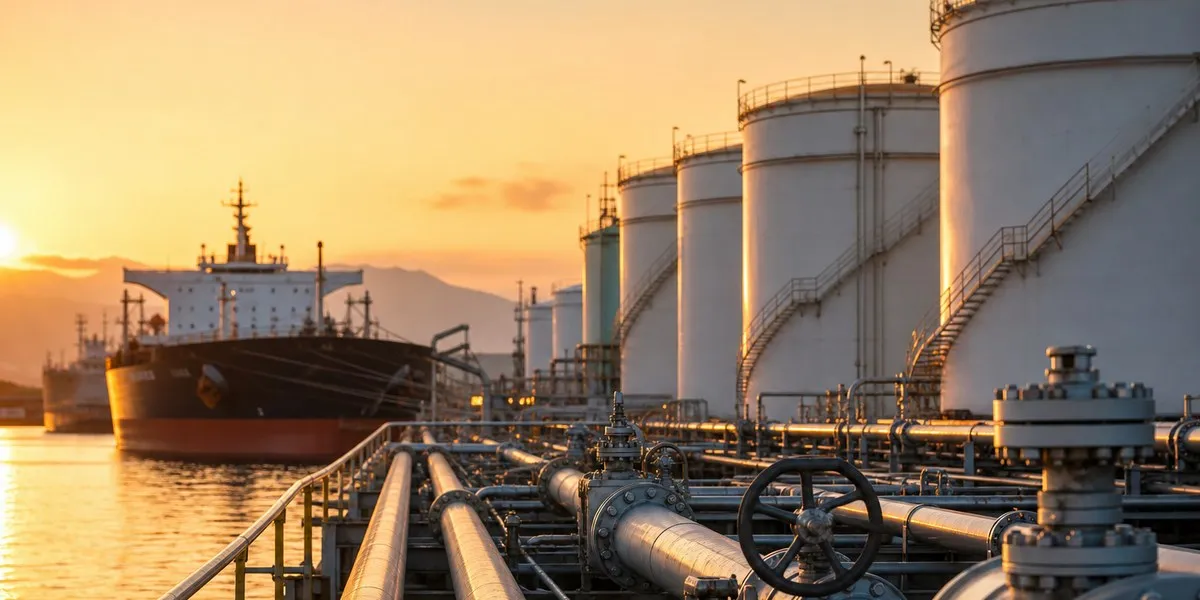
Japan is set to utilize the upcoming Asia Zero Emission Community (AZEC) meeting to forge collaborations with other Asian nations aimed at bolstering oil reserves. This was confirmed by Japanese Industry Minister Ryosei Akazawa on October 6.
Collaborations with Gulf Nations
In addition to the AZEC discussions, Japan intends to engage in a specific dialogue with major oil exporters, Saudi Arabia and the UAE. Minister Akazawa stated that the aim is to enhance collaboration between these Gulf producers and Asian consumers, reinforcing supply security in the region.
At a recent press conference, Minister Akazawa emphasized Japan’s ambition to become a central point for interaction between oil producers in the Gulf and consumers in Asia. This strategic positioning aims at stabilizing energy supplies while simultaneously strengthening Japan’s role in the regional oil market.
Enhancing Regional Oil Reserves
Earlier this year, Prime Minister Sanae Takaichi proposed the creation of the POWERR Asia partnership. This initiative aims to empower Asian nations by boosting their oil reserves through a collective strategy. The plan is backed by an anticipated $10 billion (approximately 1.5 trillion yen) funding initiative to assist countries in establishing robust oil stockpiles, thus safeguarding their energy independence against potential supply disruptions.
In a related effort, Japan has previously coordinated with the International Energy Agency to release 400 million barrels of oil from its strategic reserves. This proactive measure was part of a broader initiative aimed at enhancing oil security across Southeast Asia, where nations have also agreed to a cooperative oil security pact. This pact outlines a framework for coordinated fuel sharing during emergencies and collective responses to unforeseen supply shortages.
In conclusion, Japan’s initiatives showcase its commitment to enhancing energy security in the region. By fostering collaboration with Gulf producers and developing partnerships with other Asian countries, Japan is taking a proactive approach to ensure a stable oil supply, crucial for both economic resilience and energy independence. These measures underscore the importance of regional cooperation in tackling the challenges posed by global energy dynamics.