
Japanese Foreign Minister Toshimitsu Motegi recently engaged in discussions with Saudi Arabia’s Foreign Minister, Prince Faisal bin Farhan, regarding alarming Houthi attacks on the Kingdom. During their phone conversation, the two officials aimed to address the situation’s gravity and outline necessary steps for achieving regional stability.
Condemnation of Houthi Actions
Motegi unequivocally condemned the Houthi assaults on civilians and civilian infrastructure, labeling such acts as intolerable. He emphasized that Japan stands firmly against these aggressions and urged the Houthis to de-escalate their violent activities. Moreover, Motegi reached out to Iran, requesting the nation use its influence to convince the Houthi group to practice restraint. This collaborative approach indicates Japan’s recognition of the broader geopolitical dimensions involved in the conflict.
Ensuring Safety for Japanese Nationals
A crucial aspect of the talks was Japan’s focus on the safety of its citizens residing in Saudi Arabia. Motegi called for Saudi cooperation to secure the well-being of Japanese nationals amid the rising tensions. This request underscores Japan’s commitment to protecting its citizens abroad while also fostering international ties that prioritize security.
The Path to Stability in Yemen
Motegi stated that the key to achieving long-term stability in Yemen lies in a political resolution. He reiterated Japan’s dedication to diplomatic efforts aimed at re-engaging the Houthis with the UN-led political processes. By advocating for dialogue, Japan hopes to facilitate a peaceful resolution to the ongoing crisis, moving beyond conflict-driven approaches.
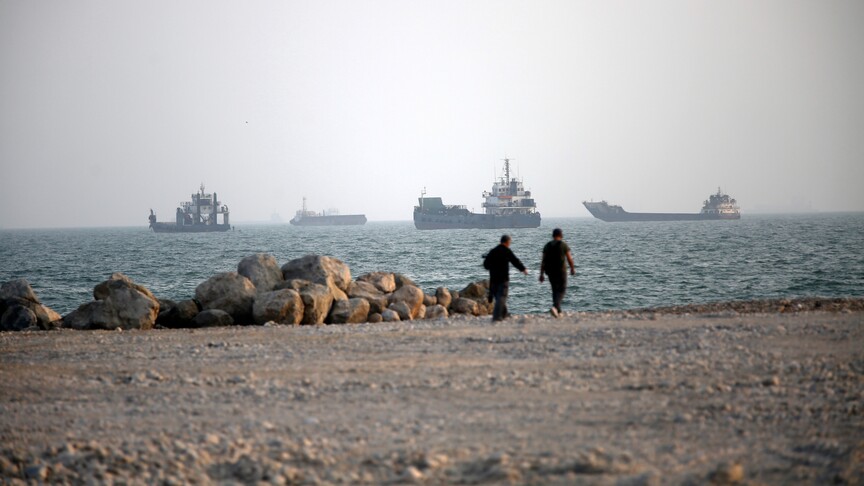
Additionally, the Foreign Minister mentioned Japan’s intent to collaborate with the international community, including Saudi Arabia, to enhance security in vital maritime corridors like the Strait of Hormuz and the Bab el-Mandeb Strait. These routes are critical for global trade, and ensuring their stability is of mutual interest to both Japan and its allies.
Strengthening Partnerships in the Gulf Region
In broader terms, Motegi outlined Japan’s strategy for comprehensive cooperation aimed at bolstering the economic and energy resilience of Gulf Cooperation Council (GCC) nations. Strengthening these ties can help foster stability in the region, as enhanced economic collaboration often serves as a preventive measure against conflict.
As the situation unfolds, both Japan and Saudi Arabia have committed to closely coordinating their efforts to secure medium- to long-term peace in the Middle East. The commitment to work together emphasizes the importance of diplomatic relations in a region often plagued by instability.
Recent Houthi Attacks: A Grim Reality
Recent statistics underscore the grim impact of the Houthi attacks, including an assault on Riyadh’s King Khalid International Airport that resulted in 14 fatalities and over 300 injuries. The frequency of these attacks on airports, as well as energy facilities, highlights the ongoing threat posed by the Houthis since they seized the Yemeni capital, Sanaa, in 2014. While a ceasefire offered a glimmer of hope in 2022, its collapse in July reignited fears of escalating violence.
In conclusion, the discussions led by Motegi and Prince Faisal showcase the urgency required to address the challenges posed by the Houthi campaign and the broader need for sustained diplomatic engagement to ensure regional stability.