
Recent developments in Yemen have escalated tensions significantly, particularly affecting global oil markets. The Iran-backed Houthi rebels have intensified their offensive along the Red Sea coast, creating new uncertainties surrounding Saudi Arabia’s oil exports. This situation not only threatens to destabilize the region but also poses challenges to worldwide fuel prices.
The Houthi Offensive and Its Impacts
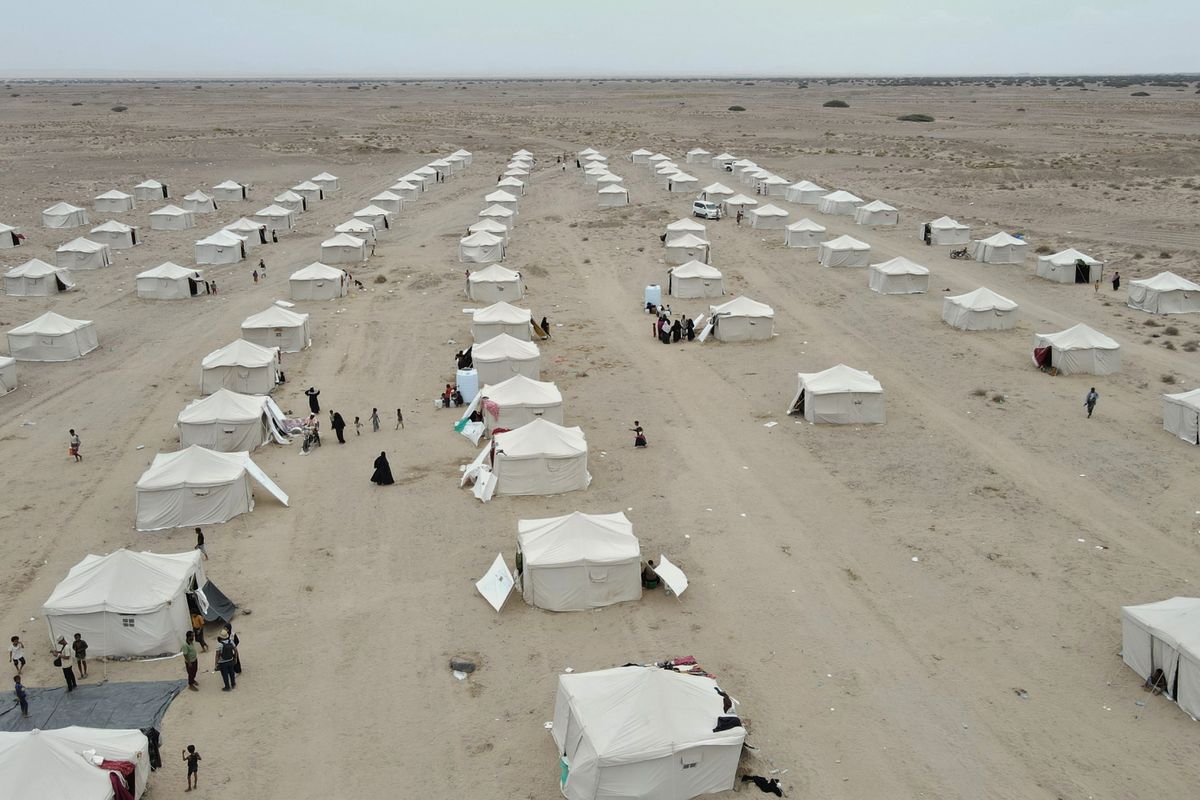
Over the past week, the Houthi rebels’ advancement has heightened concerns for both regional stability and global oil supply. Recent attacks have exacerbated an already fragile humanitarian landscape within Yemen, where ongoing conflict has forced around 125,000 Yemenis to flee their homes. The Houthi forces are demanding that Saudi Arabia end a long-standing blockade on areas they control, which has contributed to worsening living conditions for civilians. Their motives appear to be not only to regain control but also to expand their reach into oil-rich territories located in central and eastern Yemen.
This escalation comes at a crucial juncture as the United States begins to reopen the Strait of Hormuz, a vital passage for oil shipments. As tensions rise, analysts are observing a direct correlation between these attacks and increasing oil prices globally. Any disruption in Saudi oil exports can lead to immediate repercussions in fuel costs worldwide, making this situation critical for both local and international economies.
Global Reaction and Market Response
The recent turmoil has sent shockwaves through international markets. Investors are rattled by the prospect of diminished Saudi oil exports, leading to fluctuating fuel prices. This uncertainty extends beyond immediate price hikes; long-term implications could affect energy policies worldwide. Oil-dependent nations may find themselves reassessing their strategies in light of this new threat, fostering heightened urgency to invest in alternative energy sources.
Meanwhile, major global players are closely monitoring the situation, looking to gauge its impact on their own economies. Should the conflict escalate further, it could lead to a ripple effect, impacting not just oil prices but broader economic stability across numerous sectors.
The Humanitarian Crisis in Yemen
It’s vital to acknowledge the dire humanitarian conditions resulting from this ongoing conflict. As yet another wave of violence unfolds, the civilian population in Yemen continues to suffer immensely. The United Nations has expressed grave concern over the rising number of displaced individuals and the deteriorating situation on the ground. Food shortages, lack of medical supplies, and inadequate shelter have become increasingly common as the humanitarian crisis develops.
Humanitarian agencies are calling for immediate international intervention to alleviate this growing crisis. The persistence of such a dire situation underscores the urgent need for a comprehensive political solution that addresses both the internal and external dimensions of the conflict.
In summary, the recent Houthi attacks not only pose significant threats to Saudi oil exports and global markets, but they also add new layers of complexity to an already beleaguered humanitarian situation in Yemen. As the world watches, the interplay of regional politics, economic consequences, and humanitarian needs will be critical factors shaping the next phases of this prolonged conflict.