
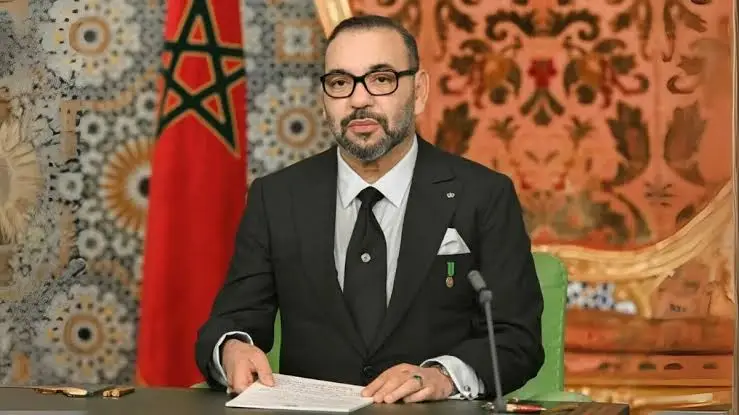
King Mohammed VI of Morocco has expressed significant concern regarding the recent assaults on Saudi Arabia by Houthi militias, describing these actions as both heinous and indiscriminate. The monarch emphasized that these attacks not only endanger civilians and vital infrastructure but also threaten the sacred sites of Mecca and Medina, which hold immense significance for Muslims worldwide.
Significance of the Attacks
The king pointed out that the Houthis’ assaults extend beyond mere aggression against Saudi Arabia; they symbolize an attack on over 1.8 billion Muslims around the globe. Highlighting the implications of these actions, he stated, “These despicable attacks are not solely a threat to Saudi Arabia and its pilgrims; they are a blatant affront to the sentiments of Muslims everywhere.” He underscored that such violations go against fundamental Islamic principles, including peace, tolerance, and the sanctity of human life.
In representing the sentiments of the Moroccan people, King Mohammed VI vehemently condemned these “criminal acts.” He asserted that the perpetrators, along with their supporters and financiers, must face accountability according to moral, historical, and international standards. This perspective aligns with a broader call for international sanctions against those involved in these transgressions.
Morocco’s Stance on Regional Security
King Mohammed VI articulated that an attack on Saudi Arabia effectively constitutes an attack on Morocco. He stressed, “The security and stability of Saudi Arabia are intertwined with that of Morocco and other Gulf Cooperation Council states.” By framing regional security in these terms, the king reinforced Morocco’s solidarity with Saudi Arabia as part of a unified defense of shared strategic interests and values.
The Moroccan monarch reiterated that Morocco will stand firm alongside Saudi Arabia against threats posed by “terrorist and separatist militias.” He illustrated that these forces not only threaten regional stability but also endanger critical maritime routes, which are vital for the global economy. The recent attacks are placed within a larger context of regional security threats that require collective action.
Invoking International Law
King Mohammed VI also invoked provisions of international law, highlighting the culpability of Houthi attacks as violations of United Nations Security Council resolutions regarding the Yemen conflict. Specifically, he referred to Resolution 2216, which mandates an arms embargo against the Houthis, and Resolution 2722, which calls for an immediate cessation of their attacks on merchant vessels in the Red Sea. These resolutions set a legal precedent that underscores the international community’s position on such aggressive actions.
The monarch highlighted that attacks on civilian infrastructure and religious sites also contravene international humanitarian law. He affirmed, “These actions cannot go unpunished.” The implications of this statement call for accountability not only in humanitarian terms but also in legal contexts.
Regional Escalation and Global Implications
As tensions rise with an uptick in Houthi attacks on Saudi Arabia, the situation has garnered increased international scrutiny. Reports of intercepted threats aimed at Mecca underscore the urgency of ensuring the safety of its worshippers. On various occasions throughout September, Saudi air defenses successfully neutralized multiple Houthi drones and missiles, raising alarm among global powers about the security of these holy sites.
Against this backdrop, King Mohammed VI’s messages resonate within a broader narrative calling for the protection of civilians and accountability for aggressors. With Saudi Arabia, Pakistan, and Türkiye engaged in military discussions, Morocco stands unified in promoting regional stability and safeguarding internationally recognized rights and freedoms. The king’s assertions encapsulate a call for solidarity, emphasizing the collective responsibility to protect sacred sites and ensure maritime security for global trade.