
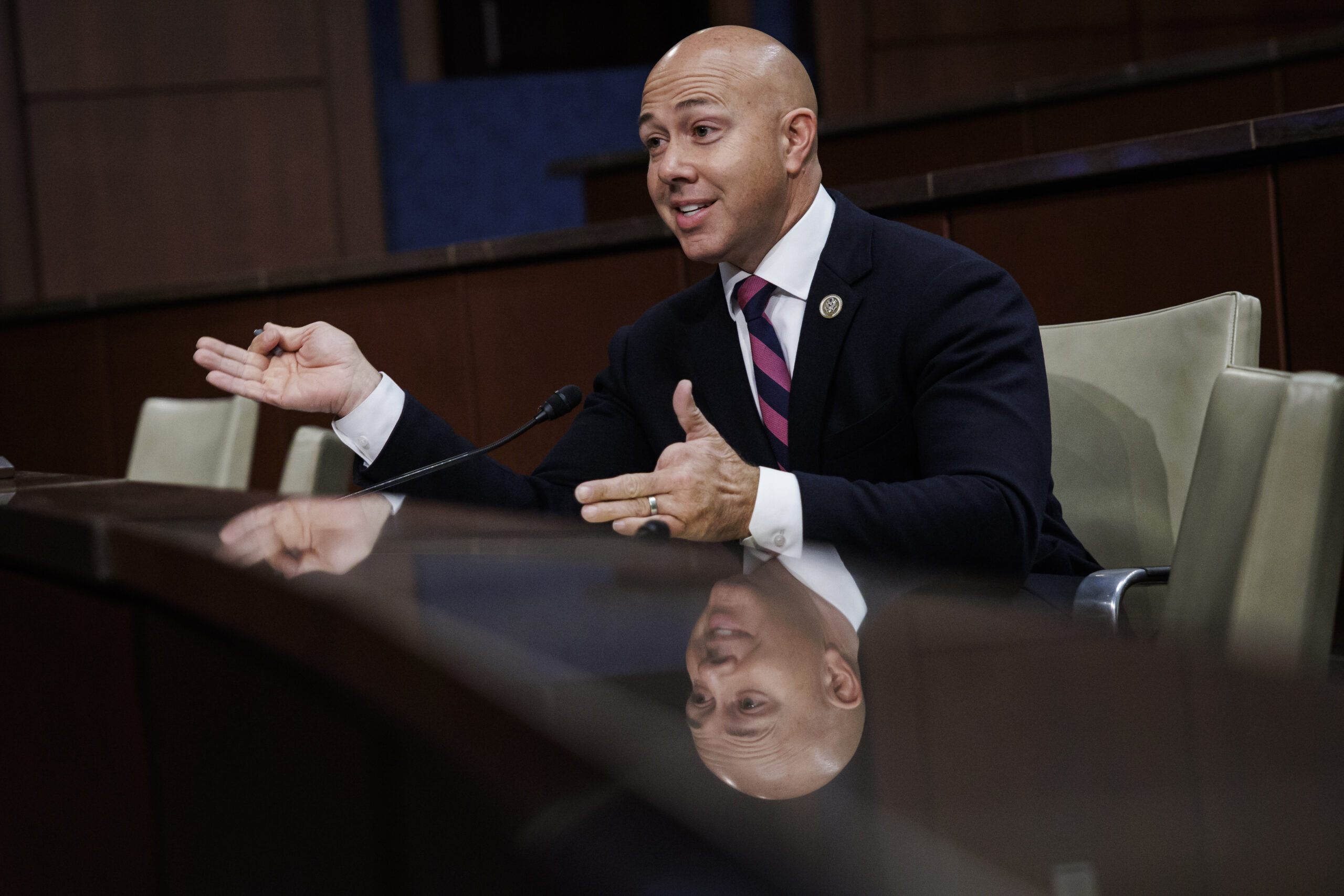
Rep. Brian Mast (R-FL), who chairs the House Foreign Affairs Committee, has indicated his likely support for the administration’s proposed nuclear agreement with Saudi Arabia. This deal is said to allow for collaborative U.S.-Saudi nuclear enrichment efforts within Saudi territory. Mast’s backing is significant, especially given his position in a committee crucial for overseeing such agreements.
Republican Support for the Nuclear Deal
Mast’s endorsement serves as a strong indication that a majority of congressional Republicans align with the administration on this issue. On the other hand, Democrats have raised concerns, primarily regarding the potential for nuclear proliferation. Mast commented to Jewish Insider, “There are still details that are being worked out, but I’m pretty supportive of the agreement.” His optimism reflects a broader sentiment among some lawmakers, even as critical discussions continue.
During his review of the proposed agreement, Mast has engaged directly with Energy Secretary Chris Wright and attended private briefings about the deal. According to a letter from former President Trump to Congress regarding the agreement, it includes provisions for the transfer of sensitive nuclear technology to facilitate a joint enrichment and conversion study. However, the deal also stipulates that no restricted data will be transferred, which suggests a carefully monitored framework for nuclear enrichment.
The Structure of the Agreement
The Institute for Science and International Security shared an analysis that characterizes the nuclear deal as “deliberately structured” to ensure that a U.S.-designed and operated enrichment facility could be established in Saudi Arabia, without relinquishing control over critical centrifuge technology. While this structure appears reassuring, the deal includes a potential loophole permitting the transfer of sensitive nuclear technology under specified conditions. This raises concerns about Saudi Arabia’s ability to independently pursue enrichment ventures.
Despite its appealing “black box” concept, experts caution that actualizing the enrichment facility will necessitate further agreements. There remain numerous questions surrounding Saudi Arabia’s role in not just operating but also maintaining the facility and the associated risks of proliferation. Such complexities will require careful consideration moving forward.
The Broader Implications of Nuclear Enrichment
Rep. Darrell Issa (R-CA), another influential figure in the Foreign Affairs Committee, views the deal as a beneficial pathway for Saudi Arabia and other allied nations, potentially including a future peaceful Iran, to develop their nuclear energy capabilities for legitimate domestic purposes. He suggests that while Saudi Arabia might own the facility under this agreement, the operational oversight would stay with the U.S.
Moreover, Issa touched on the cultural aspect; he noted that Saudi Arabia’s desire for nuclear enrichment is partly rooted in national pride, rather than a robust demand for control. He suggested that while regional normalization with Israel is becoming commonplace, a long timeline supports Saudi aspirations for nuclear energy and that ultimate enrichment on its soil may take time to realize.
In conclusion, although other House Republicans on the Foreign Affairs Committee have not yet assessed the deal comprehensively, the discussions surrounding it underscore the complexities and geopolitical ramifications involved in the U.S.-Saudi nuclear agreement. The balance between cooperation and control will remain a focal point as lawmakers deliberate on this significant issue.