
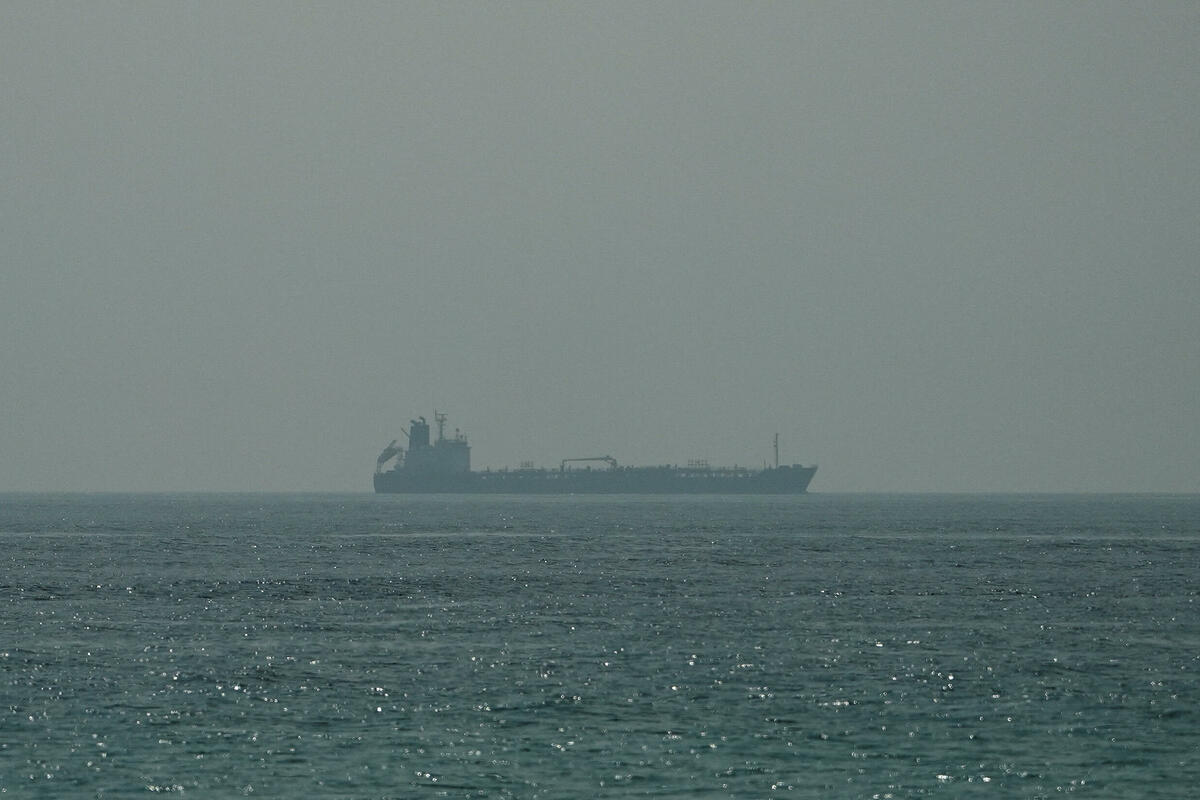
Crude oil exports witnessed a significant resurgence in September, reaching 12.8 million barrels per day. This marked the highest level since the onset of the US-Israeli conflict with Iran in February. According to Kpler data, both Saudi Arabia and the United Arab Emirates played pivotal roles in boosting these exports.
Increase in Exports Through the Strait of Hormuz
The jump in exports is largely attributed to the uptick in shipments through the Strait of Hormuz, which are projected to hit approximately 7.4 million barrels per day this month. This increase comes as a response to Saudi Arabia diverting its exports from the Red Sea port of Yanbu, following attacks that compromised its East-West pipeline. Preliminary reports indicate that these strategic changes are aimed at enhancing the flow of oil through critical shipping lanes.
Although the region encompassing Saudi Arabia, the UAE, Iraq, Oman, Qatar, Kuwait, and Iran has seen an uptick in exports, figures are still concerning. Current exports remain about six million barrels per day lower than the 18.8 million barrels per day recorded in February. This ongoing discrepancy highlights the long-term impacts of geopolitical tensions on regional oil markets.
Saudi Arabia’s Recovery and Export Potential
As the leading exporter in the Gulf, Saudi Arabia is poised to ship around 5.4 million barrels per day this month. This represents a notable recovery from the 2.446 million barrels per day reported in August. Enhanced shipments from the strategically essential port of Ras Tanura in the Persian Gulf also showed significant growth, rising from 929,000 barrels per day in August to an impressive 3.6 million barrels per day in September. However, this figure still falls short of the 6.411 million barrels per day achieved in February, indicating that while recovery is underway, challenges remain.
Last week, 19 large crude oil tankers, each capable of carrying roughly two million barrels, navigated through the Strait of Hormuz, according to Kpler data. It is important to note that this figure does not account for vessels that might have operated with their Automatic Identification System (AIS) transponders deactivated to evade monitoring.
Historical Context and Global Significance
Prior to the escalation of the conflict with Iran on February 28, an estimated 125 commercial vessels passed through the Strait of Hormuz daily. This corridor is vital, as it facilitates the passage of approximately 20% of the world’s daily supply of crude oil and liquefied natural gas. The ongoing geopolitical tensions are a reminder of the fragile nature of global energy security and the profound implications for international markets.
As nations work to navigate these turbulent times, understanding the fluctuations in oil exports from the Middle East becomes crucial. The interplay of regional conflicts, strategic shipping routes, and global supply chains will continue to serve as key factors influencing the oil market’s trajectory in the coming months.