
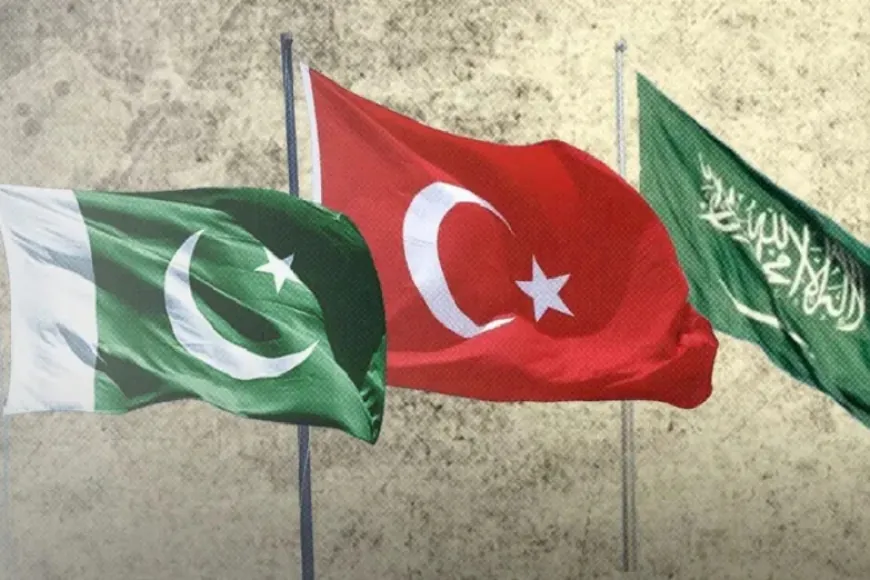
On a pivotal day for regional security, the Pakistani Foreign Ministry announced that Pakistan, Saudi Arabia, and Turkey are set to convene discussions aimed at bolstering support for Riyadh under their joint defense agreement. This collaboration marks a significant step in reinforcing military ties among the three nations, with a focus on mutual defense and strategic partnership.
Understanding the Makkah Joint Defense Agreement
The Makkah Joint Defense Agreement, signed on August 7, establishes a framework wherein any armed aggression against one signatory nation will be viewed as an act of war against all three. This treaty is not just a piece of paper; it symbolizes a commitment to collective security and enhanced military collaboration. By defining a shared response to threats, the agreement aims to deter potential aggressors and strengthen the defense capabilities of each member state. The cooperation will encompass various aspects of military readiness, further solidifying alliances in a region that has seen its fair share of conflicts.
Recent Developments and Strategic Meetings
The first meeting of the Strategic Political and Defense Committee took place on August 31 in Istanbul, signaling the active implementation of the joint defense agreement. During this meeting, leaders from the three countries deliberated on crucial aspects of military cooperation and established a secretariat that will be located in Saudi Arabia. This centralized body will facilitate coordination and communication among the member states, enhancing operational efficiency and tactical response times in times of crisis.
Moreover, an emphasis was placed on enriching collaboration in defense industries, technology, and military training. This multifaceted approach not only strengthens the military capabilities of each country but also fosters innovation and modernization in defense practices. As these nations come together, they not only share resources but also knowledge and technological advancements that can lead to more effective defense strategies.
The Importance of Military Cooperation in the Region
The geopolitical landscape of the Middle East continually evolves, necessitating adaptive strategies and robust security frameworks. The collaborative efforts among Pakistan, Saudi Arabia, and Turkey symbolize a proactive approach to regional challenges. By coming together, these countries can address mutual threats more effectively, ensuring stability in their respective territories.
Military cooperation fosters not only enhanced defense capabilities but also promotes peace and security across the region. Collectively addressing potential threats mitigates the risk of conflicts escalating and creates a deterrent effect against adversarial nations. Such strategic alliances are crucial for maintaining regional stability and providing assurance to each member state.
In conclusion, the discussions initiated by the Pakistani Foreign Ministry underline a significant shift in how countries in the region perceive security and collaboration. The Makkah Joint Defense Agreement and the subsequent meetings serve as a foundation for long-term military cooperation, aiming to protect shared interests and enhance collective security. As the world becomes increasingly interconnected, the importance of such alliances cannot be overstated, particularly in a region marked by complex geopolitical dynamics.