
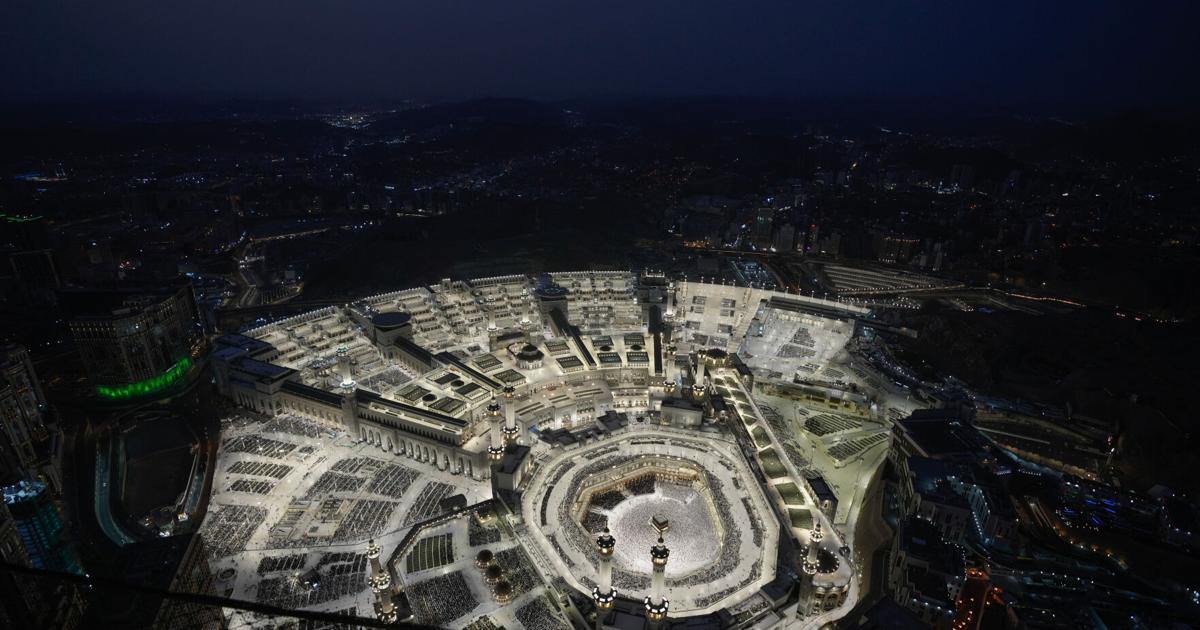
The Hajj pilgrimage is one of the most significant religious events for Muslims worldwide, drawing millions to the sacred city of Mecca in Saudi Arabia. This annual journey not only holds profound spiritual meaning but also showcases the unity and diversity of Muslims from various backgrounds. In this article, we explore the essence of the Hajj pilgrimage, its rituals, and the profound impact it has on individuals and communities.
Understanding the Significance of Hajj
Hajj, one of the Five Pillars of Islam, is an obligation for all Muslims who are physically and financially able to undertake it at least once in their lifetime. This pilgrimage occurs during the Islamic month of Dhu al-Hijjah and lasts for five to six days. The journey aims to fulfill Allah’s commandments and serves as a powerful reminder of humility and spirituality. Participants engage in various rituals, including circling the Kaaba, standing at the Plain of Arafat, and performing symbolic acts of devotion that connect them with their faith and fellow pilgrims.
The essence of Hajj goes beyond individual devotion; it symbolizes the unity of Muslims worldwide. People from diverse cultures, languages, and backgrounds gather in Mecca, dressed in simple white garments called ihram. This attire signifies equality, stripping away distinctions associated with wealth and status. The collective experience fosters a sense of brotherhood and reinforces a shared spiritual goal.
The Rituals of Hajj: A Journey of Faith
Each phase of Hajj is rich in symbolism and spiritual significance. The pilgrimage begins with the Tawaf, where pilgrims circumambulate the Kaaba seven times in a counter-clockwise direction. This act reflects devotion and submission to Allah. Following this, participants spend time in prayer and reflection. The highlight of Hajj is standing at Arafat, where pilgrims seek forgiveness and spiritual renewal. It is believed that prayers made on this day are particularly revered and answered.
Subsequent rituals include the symbolic stoning of the devil at Mina, the sacrifice of an animal, and the celebration of Eid al-Adha. These acts reflect themes of sacrifice, humility, and gratitude, emphasizing the deeper spiritual lessons ingrained within the pilgrimage. Each step of Hajj provides an opportunity for personal introspection and communal connection, allowing participants to strengthen their faith and commitment to Islamic teachings.
The Personal Transformation of Hajj
The journey of Hajj is not merely physical; it also offers profound personal transformation. Many pilgrims report life-altering experiences, where they felt a renewed sense of purpose and spirituality. The collective energy and emotion of the pilgrimage act as catalysts for introspection, prompting individuals to examine their lives, faith, and relationships. The experience of standing in prayer alongside millions of others fosters a sense of belonging and shared purpose, encouraging participants to bring the lessons of Hajj back to their everyday lives.
In conclusion, the Hajj pilgrimage stands as a testimony to the essence of faith, unity, and personal growth in Islam. As millions make the journey to Mecca, they not only fulfill a religious obligation but also embark on a transformative experience that echoes throughout their lives. The lessons learned during Hajj resonate within the hearts of pilgrims, reinforcing the importance of humility, gratitude, and the profound connection shared among Muslims worldwide.