
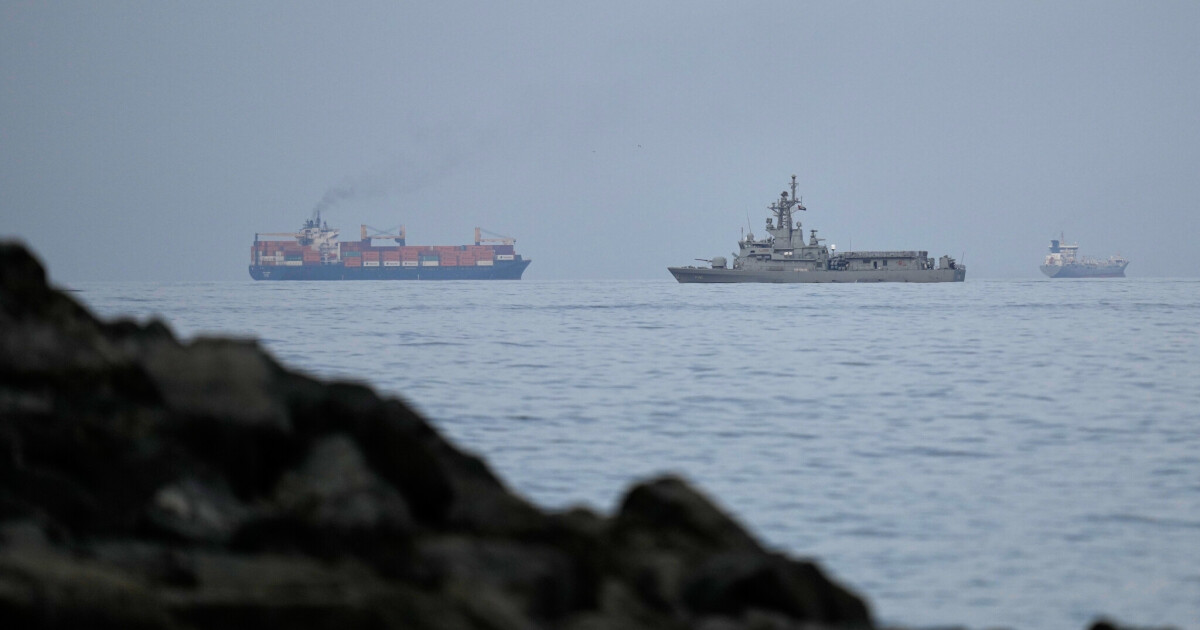
A month after a fragile ceasefire was established, the prospects of a negotiated agreement between Iran and the United States still remain grim. In Riyadh, pressure is intensifying on U.S. President Donald Trump to engage in diplomatic efforts to settle conflicts surrounding the Strait of Hormuz. This waterway is crucial for global energy supplies, making any discord in the region a matter of global concern.
Stalemate in Diplomacy
Despite ongoing international efforts, a breakthrough in negotiations appears elusive. The ongoing tensions between Iran and the U.S. have been marked by hostile rhetoric and military posturing, underscoring the challenges in finding a mutually acceptable resolution. The Trump Administration is faced with complex geopolitical considerations, as Iran’s continued military activities in the region further complicate diplomatic overtures.
The Strait of Hormuz, a vital artery for oil shipments, has historically been a flashpoint for U.S.-Iran relations. Iran’s threats to close the strait in the event of conflict have raised alarm bells internationally, prompting calls for more assertive U.S. diplomacy. Critics argue that continued hardline tactics risk exacerbating tensions rather than fostering peace and stability in the region.
Regional Implications of Continued Tensions
The stakes are particularly high for neighboring countries, including Saudi Arabia, which has sustained its stance in opposing Iranian ambitions. Riyadh sees Iran’s actions as a potential threat to its own security and that of its allies. As the U.S. grapples with its strategy, the region remains in a delicate balance, and any miscalculation could potentially lead to armed conflict, further destabilizing the Middle East.
Moreover, Saudi Arabia has been exploring ways to contain Iranian influence through alliances with other nations and bolstering its military capabilities. The unfolding situation highlights the intricate web of alliances and hostilities that shape the current geopolitical landscape. To assume that a simplistic approach will remedy decades of division would be an oversimplification and could lead to dire consequences.
Calls for Enhanced Diplomatic Engagement
As tensions mount, there has been a collective call for renewed diplomatic initiatives. Experts emphasize that a comprehensive approach, incorporating not just U.S. interests but also those of regional players, is essential for achieving lasting peace. Engaging in dialogue could pave the way for confidence-building measures, setting the stage for a more robust framework for negotiations.
In Saudi Arabia, influential voices are urging President Trump to rethink his strategies, moving towards diplomacy rather than escalating military presence. A successful diplomatic effort could reduce the likelihood of miscalculations that lead to armed conflict, thus restoring some semblance of stability to the Strait of Hormuz, ultimately benefiting global markets and energy security.
While the path to resolution may be fraught with challenges, fostering communication and understanding among all parties involved will be critical in addressing the long-standing tensions in this strategic region. As global interest surges and the consequences of inaction become ever more apparent, the urgency for diplomatic resolution cannot be overstated.