
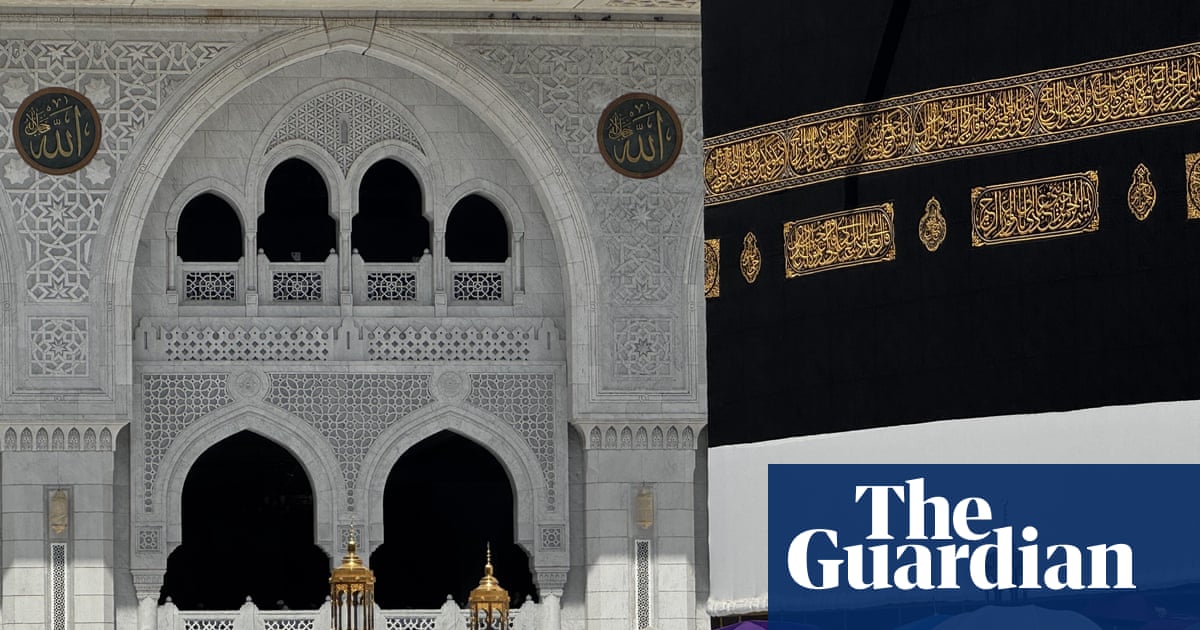
Global warming has significantly impacted the climate in Mecca, raising concerns for millions of hajj pilgrims who now face hazardous heat conditions, even outside the traditional summer months. Recent studies indicate that soaring carbon dioxide emissions from fossil fuels have led to unprecedented temperature spikes, with 40°C (104°F) becoming commonplace as early as May. This alarming trend poses severe risks for pilgrims participating in the annual Islamic pilgrimage, which may soon occur amidst extreme heat throughout the year if proactive measures are not implemented.
Impact of Climate Change on Pilgrimage Safety
The annual hajj pilgrimage obliges all able Muslims to undertake a journey to Mecca at least once in their lives. This pilgrimage, deeply rooted in Islamic faith, requires followers to perform extensive rituals over five days, often requiring them to walk considerable distances outdoors. Tragically, more than 1,300 pilgrims lost their lives in June 2024 due to the combination of extreme heat and humidity during hajj. Historically, May temperatures have been milder, with instances of 40°C heat being rare; however, recent analysis reveals that such temperatures are expected once every two to three years due to climate change.
Research from the World Weather Attribution group highlights a dramatic increase in the average temperature for May—around 3.5°C higher than pre-industrial levels—rendering the hajj experience during this month as perilous as the previous summer extremes. The urgency of the situation is compounded by the fact that without immediate action to reduce fossil fuel dependence, the conditions that would permit a safe pilgrimage are rapidly diminishing.
Saudi Arabia’s Response to Heat Challenges
As the host nation for hajj, Saudi Arabia faces enormous pressure to address these climate-related challenges, especially given its status as the world’s second-largest oil producer. In response to the rising temperatures, the Saudi authorities have introduced several heat management initiatives. These include shaded walkways, cooling stations, misting systems, and expanded healthcare services aimed at mitigating heat-related health issues among pilgrims. While these measures have proven somewhat effective, experts emphasize that they are merely reactive solutions requiring a more comprehensive and proactive approach.
Dr. Clair Barnes of Imperial College London notes that the data unmistakably indicates a shrinking window of safe temperatures for pilgrims. Without a significant shift away from fossil fuels, which remain central to Saudi Arabia’s economy, the possibility of performing hajj rituals in a safe climate becomes increasingly bleak.
Long-Term Implications for Hajj and Global Warming
Predictions indicate that if global temperatures rise by 3°C by the end of the century, a staggering 97% of hajj pilgrimages will face dangerously high heat levels. This dire projection highlights the critical necessity for a rapid transition from fossil fuels to prevent increasingly hazardous conditions for millions of Muslims undertaking the hajj in the future.
Dr. Emmanuel Raju from the Copenhagen Centre for Disaster Research points out that extreme heat during the hajj presents a unique humanitarian challenge, as it involves significant movement of people in outdoor settings over several days. While certain measures can help, the reality remains that continued temperature increases pose lethal risks for the health and safety of those fulfilling this sacred obligation.
The Ministry of Hajj and Umrah in Saudi Arabia has yet to provide an official response to these pressing climate concerns. As the situation unfolds, the intersection of climate change and spiritual devotion highlights the urgent need for global cooperation to combat fossil fuel reliance and protect future generations of pilgrims.