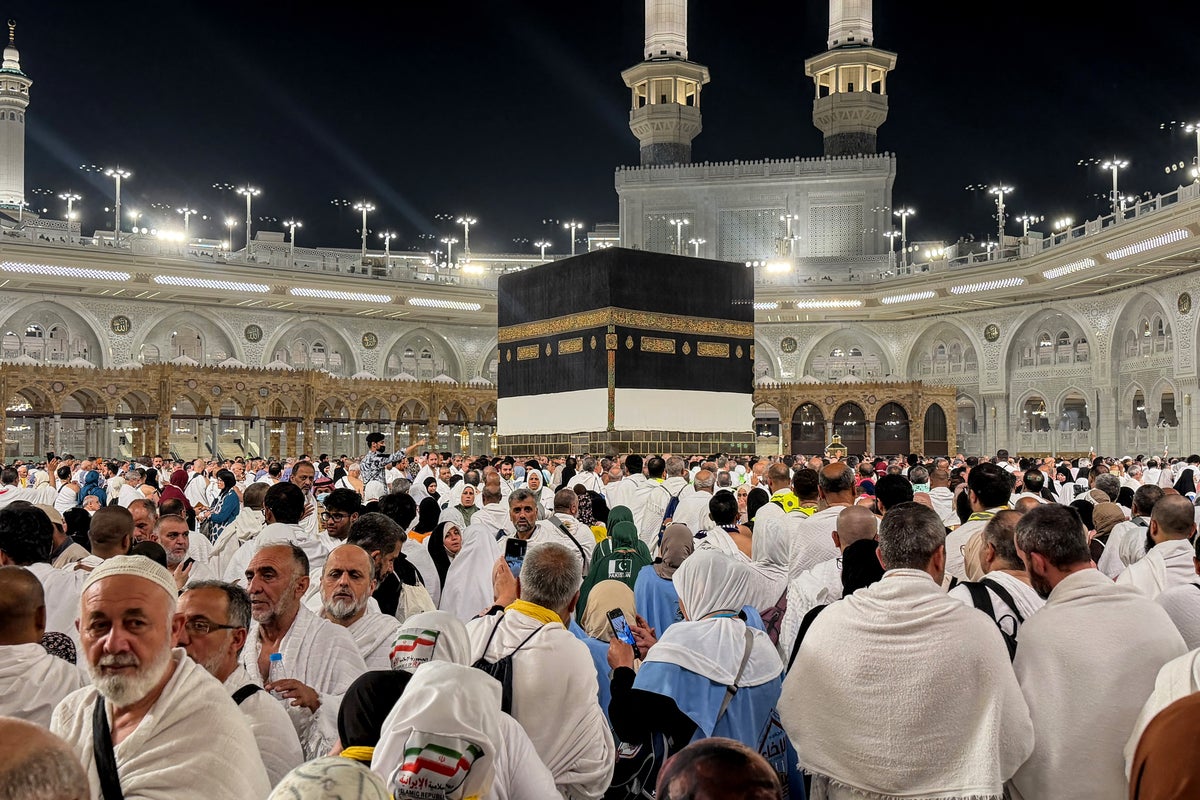
In recent developments, President Donald Trump made a significant decision to cancel proposed strikes on Iran after receiving warnings from Saudi Arabia regarding the potential repercussions during the Hajj pilgrimage. This pivotal moment highlights the complex interplay of politics, religion, and international relations that influences decisions in the Middle East.
Warnings from Gulf Allies
Reports indicate that senior officials in the Gulf cautioned Trump about the serious reputational damage the United States would face if military actions were initiated during this sacred period for Muslims. The intense dialogue around this time led to a strong pushback from regional leaders, who emphasized that attacks could jeopardize America’s standing within the Muslim community. This concern arose from the understanding that hundreds of thousands of pilgrims would be present in the region, raising the risks of chaos and unintended consequences for both the U.S. and its allies.
Trump initially hinted at a bombing campaign against Iran, declaring that he was only “an hour away” from action. However, after consultations with key allies, including Gulf states, he reassessed the situation. The warnings he received underscored the notion that military engagement during the Hajj could further destabilize the region, complicating efforts to manage the ongoing conflict.
The Humanitarian Impact of War
The repercussions of military strikes extend beyond immediate geopolitical concerns; they also pose grave humanitarian risks. Should conflict erupt during the Hajj, countless pilgrims would be trapped in a dangerous environment. The chaos that could ensue would not only affect those attending the pilgrimage but also disrupt the delicate balance of security in surrounding areas. The potential for retaliatory strikes raises fears of a wider conflict spilling over into neighboring countries, which would have long-lasting humanitarian and logistical implications.
The decision to delay strikes reflects a broader understanding of the interconnectedness between diplomacy and humanitarian considerations. High-level discussions acknowledged that even temporary military actions carry the potential for significant repercussions, which could manifest in public outcry and further complicate existing tensions.
Future Conflicts on the Horizon
Despite the immediate reprieve from military action, senior officials are bracing for renewed conflict in the weeks following the Islamic festival. The U.S. has a history of conducting strikes during sensitive periods, as seen earlier this year during Ramadan. However, military engagements timed with significant religious observances appear increasingly untenable, given the political fallout and humanitarian crises they can trigger.
The internal dynamics within Iran also suggest that the nation has been rapidly fortifying its military capabilities during a period of ceasefire. Intelligence reports indicate that Iran has accelerated its developments, including the production of drones and other military assets. As tensions rise, Iranian leaders have not hesitated to make threats of escalation beyond regional confines, should the U.S. resume attacks.
In summary, Trump’s recent decision showcases the intricate balance leaders must strike among various factors, including geopolitical strategy, humanitarian concerns, and the need for diplomatic relations with allies. The warnings from Gulf nations during a vulnerable period, combined with consideration for the humanitarian ramifications of conflict, demonstrate that decisions about military action cannot be made lightly. The situation remains fluid, with the potential for future hostilities looming in the backdrop as both sides navigate their precarious positions.