
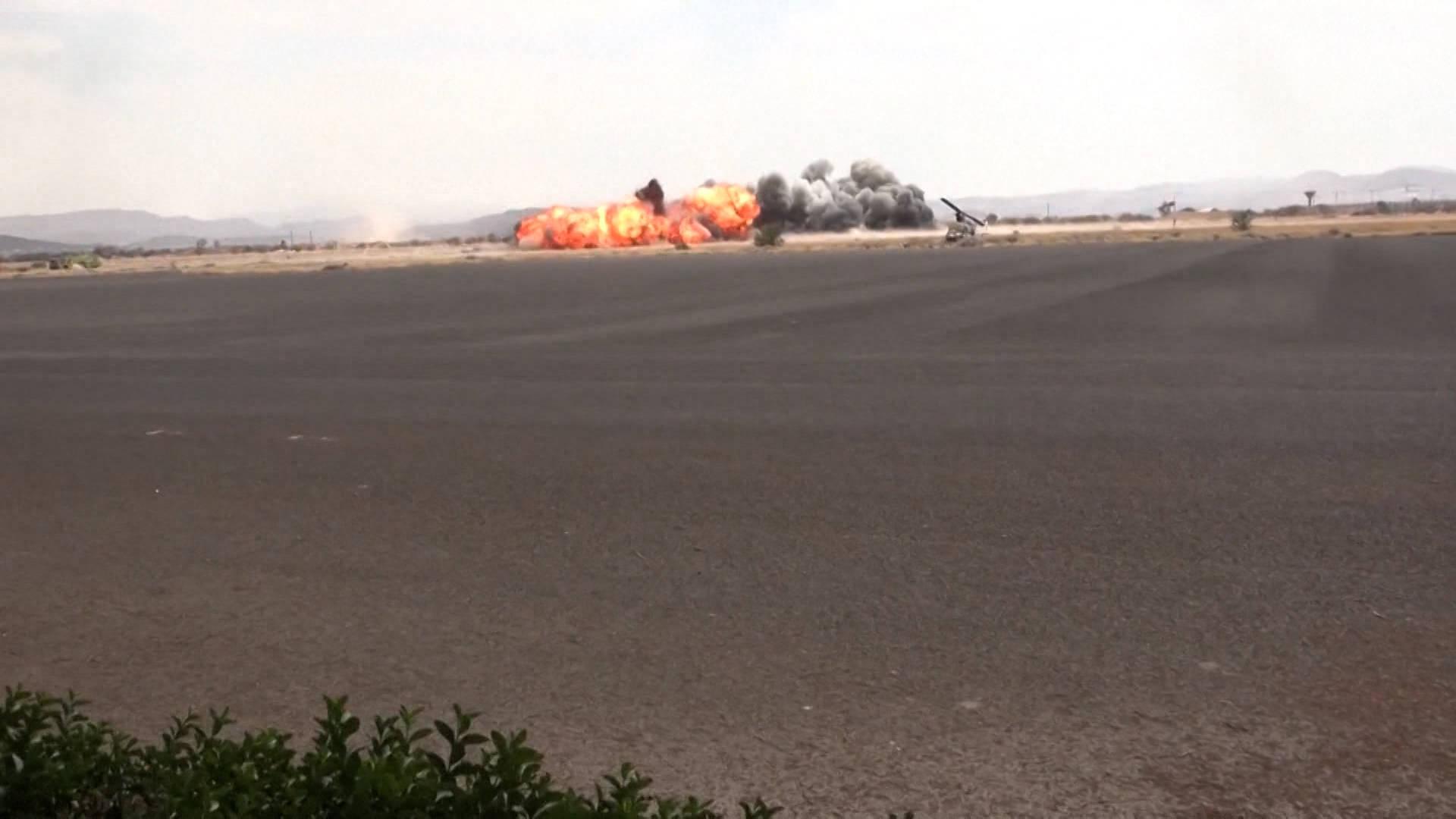
Tensions in Yemen are on the rise as conflict escalates between Houthi forces and Saudi Arabia, putting a fragile four-year truce at risk. Recent events have highlighted the complex dynamics of this conflict, with accusations and military actions intensifying.
Incidents of Aggression
On Monday, the Houthis, who have strong ties to Iran, launched missiles targeting Saudi Arabia’s international airport in Abha. This aggressive move marks a significant shift in the ongoing confrontation between the two sides. The attack on Abha airport raises concerns about the potential for further hostilities, drawing international attention to the already volatile situation in the region.
Earlier on the same day, the Houthis accused Saudi Arabia of conducting airstrikes on the international airport in Sana’a, Yemen’s capital. These allegations have escalated tensions, with the situation rapidly developing into a broader confrontation. The Saudi-backed Yemeni government admitted to the airstrikes, justifying them as a necessary action to thwart an Iranian aircraft from reaching Yemeni soil. This back-and-forth exchange of accusations illustrates the fragile state of the ceasefire that has been in place, as well as the deep-seated rivalries that define the conflict.
The Role of External Influences
The involvement of regional powers like Iran and Saudi Arabia complicates the conflict further. Iran’s support of the Houthis is a significant factor that influences the dynamics of this civil war, as Saudi Arabia views the Houthis as a direct threat to national security and regional stability. The cycle of retaliatory strikes and accusations underscores the enduring animosity and the role of external actors in escalating tensions.
The reality of these attacks is not only military; they have profound humanitarian implications. Civilians in the region are once again caught in the crossfire, facing the consequences of escalated violence. With the situation deteriorating, humanitarian aid efforts, which have struggled to make significant progress, are now at greater risk. Ensuring the safety of civilians must become a priority amid ongoing hostilities to prevent further suffering.
The Path Forward
As both the Houthi forces and the Saudi-backed Yemeni government engage in mutual accusations and military actions, the need for diplomatic solutions becomes increasingly critical. Trust has been significantly eroded, and the prospect of renewed peace talks appears grim. However, international stakeholders have a vested interest in stabilizing the region; thus, diplomatic pressure may play a key role in encouraging dialogue.
The recent escalation not only highlights the fragile nature of the truce but also emphasizes the profound complexities involved in the Yemeni conflict. With tensions running high and both sides unwilling to make concessions, the possibility of a return to large-scale warfare looms.
In conclusion, as the situation continues to develop, it is imperative for the global community to remain vigilant and advocate for peaceful resolutions. The stakes are high for Yemen, and without concerted efforts to de-escalate the conflict, both local and regional stability may be further compromised, leading to catastrophic consequences for millions affected by this prolonged strife.