
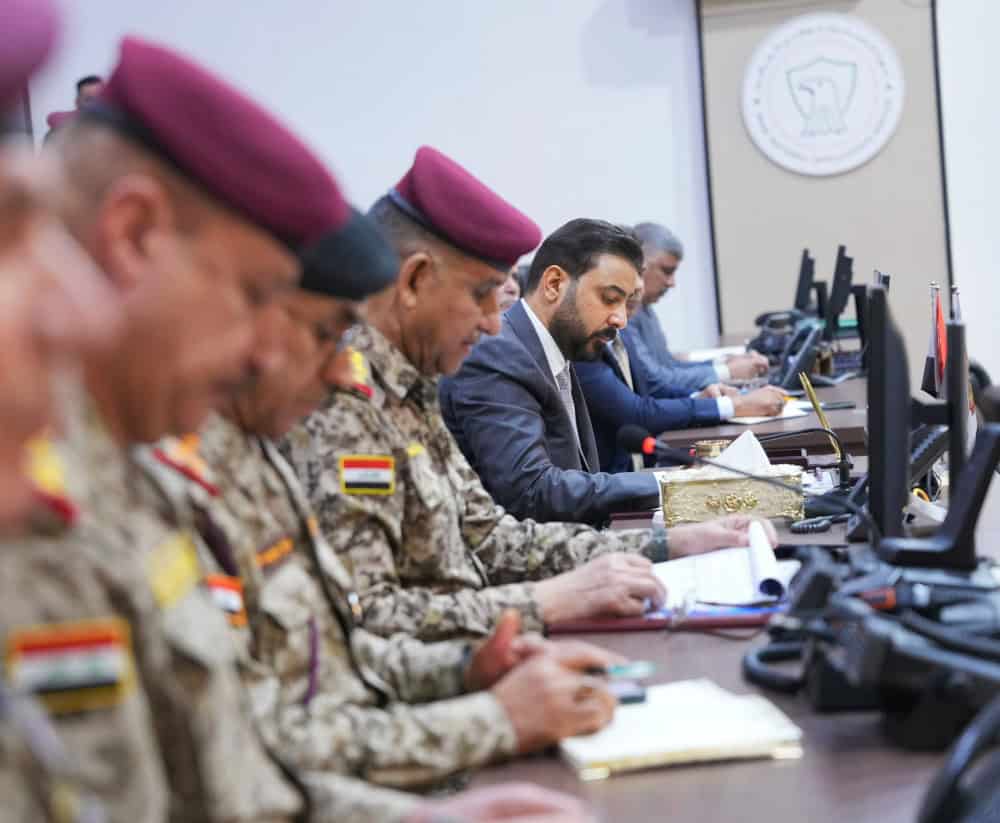
Recent drone attacks targeting Saudi Arabia and the United Arab Emirates (UAE) have escalated tensions in the region, with reports indicating that these assaults were launched from Iraqi territory. This alarming development raises questions about the implications for Iraqi security and regional stability.
Drone Attacks Linked to Iraq
On May 19, the UAE confirmed that it had faced drone assaults originating from Iraq, one of which ignited a fire at a nuclear power plant. Reuters reported that within a span of 48 hours, six drones were launched against the UAE from Iraqi soil. Meanwhile, Saudi Arabia’s Ministry of Defense revealed on May 18 that it intercepted three drones entering its airspace from Iraq. Despite these allegations, the Iraqi government maintained that it had no evidence of drones being launched from its territory.
The backdrop of these drone incidents is a complex web of regional tensions, particularly involving Iran. Since an apparent ceasefire between the United States and Iran took effect around early April, there have been increasing drone and missile attacks linked to Iranian-supported groups targeting various nations. Reports indicate that most of the assaults on Saudi Arabia since late February were conducted by Iran-aligned Shiite militias based in Iraq.
Rising Concerns for Iraq
New insights have emerged, emphasizing the extent of drone attacks that have been traced back to Iraq. An article from Al-Monitor highlighted that many assaults on Saudi Arabia were executed by Iran-backed factions. These findings prompted Saudi Arabia and Kuwait to respond multiple times with airstrikes targeting locations in Iraq believed to be responsible for launching these attacks.
The Syrian Arab News Agency reported on May 18 that Saudi Arabia intercepted three drones believed to be launched from Iraqi airspace. Following these events, Riyadh has publicly stated that it reserves the right to retaliate against future threats emanating from Iraq. This aggression underscores the growing scrutiny on Baghdad regarding the actions of Iraqi militias, particularly in the context of securing its relationships with the Gulf states.
Iraq’s Diplomatic and Security Dilemmas
In light of these tensions, Iraq is striving to enhance its diplomatic relations with both Saudi Arabia and the UAE. The Iraqi government condemned the drone attack on the UAE that resulted in damage to its nuclear facility, with the Ministry of Foreign Affairs expressing strong disapproval. Furthermore, Iraq’s foreign ministry has called for cooperation with Saudi Arabia to exchange intelligence that could bolster security measures for both nations.
Simultaneously, Iraq faces internal pressure regarding the management of Iranian-backed militias within the Popular Mobilization Forces (PMF). These groups have increasingly drawn the ire of the United States, which is actively pursuing sanctions against various militia leaders. This push by the US has raised concerns in Iraq about potential repercussions, including criminal arrests of those involved with these armed factions.
As Iraq navigates the delicate balance between fostering international relations and managing internal security threats, the recent drone attacks significantly complicate its position. Iraq’s new Prime Minister Ali al-Zaidi now faces immediate challenges, not only in securing peace within his country but also in addressing the rising demands from external entities seeking to contain the influence of Iranian-backed militias.
In conclusion, the recent drone attacks attributed to Iraq underline a complex interplay of regional geopolitics, national security, and diplomatic relations, which are crucial for maintaining stability in the Middle East.