
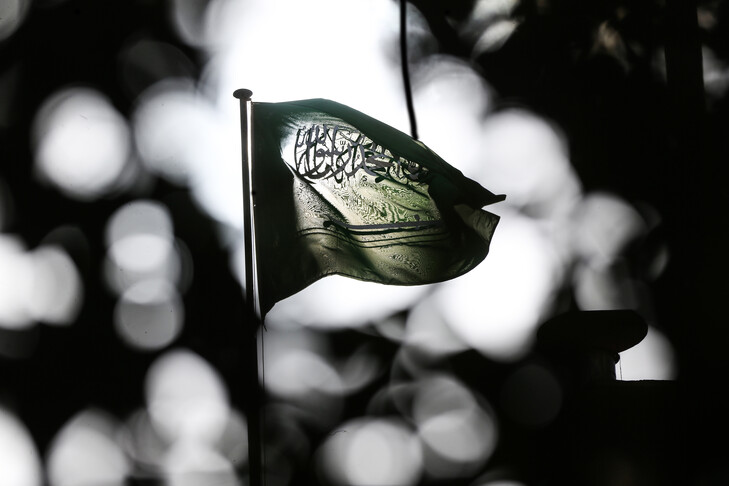
Saudi Arabia has recently emphasized the importance of diplomacy and restraint amid rising tensions in the Middle East, particularly between Iran and the United States. The Kingdom has extended its support for mediation efforts led by Pakistan, aiming for a peaceful resolution and avoiding further destabilization in the region.
Saudi Arabia’s Call for Diplomacy
On Tuesday, Saudi Arabia urged all parties involved in the ongoing conflict to practice restraint. The Saudi Foreign Ministry made a public statement, advocating for the support of Pakistani mediation efforts that seek to achieve a political settlement between Iran and the U.S. The ministry’s message highlighted that continued escalation would not only threaten regional stability but also have broader implications for global interests. Saudi Arabia has positioned itself as a mediator, recognizing the critical need for dialogue to avert further chaos in an already volatile region.
Concerns Over Military Escalation
The situation has seen a marked increase in military hostilities, with the Foreign Ministry expressing alarm over the current military escalation. Among its concerns is the safety of maritime navigation in the critical Strait of Hormuz, where an increase in military operations poses a risk to both regional and global trade. The ministry stressed the necessity of ensuring safe passage for vessels, calling for a return to the status quo prior to the heightened conflict. This request underscores the strategic importance of the Strait of Hormuz as a vital shipping lane for global oil and gas supplies.
Recent Developments in Gulf Tensions
The Gulf region has experienced a significant upsurge in tensions, notably following accusations from the United Arab Emirates that Iran launched a series of missiles and drones targeting its territory. In response, Iran asserted that it had issued warnings to U.S. naval forces operating near the Strait. These incidents serve as a stark reminder of how quickly the situation can escalate, especially as military actions continue in the area.
The Role of Pakistani Mediation
In a bid to stem the tide of violence, a ceasefire was initiated on April 8 through mediation efforts led by Pakistan. However, subsequent negotiations in Islamabad have not yielded a permanent resolution, indicating the fragility of the current truce. The ceasefire, which was later extended by former U.S. President Donald Trump, has resulted in a temporary pause in hostilities but lacks long-term conditions for peace. As the diplomatic landscape remains precarious, the support from Saudi Arabia for ongoing mediation efforts is critical to achieving a more sustainable solution.
In conclusion, Saudi Arabia’s call for restraint and support for Pakistani-led mediation underscores the urgent need for dialogue in the face of rising tensions between Iran and the United States. The insistence on restoring maritime navigation in the Strait of Hormuz reflects broader concerns about stability and security in the region. While recent attempts at mediation have provided a temporary reprieve, lasting peace will require sustained efforts and cooperation among all parties involved.