
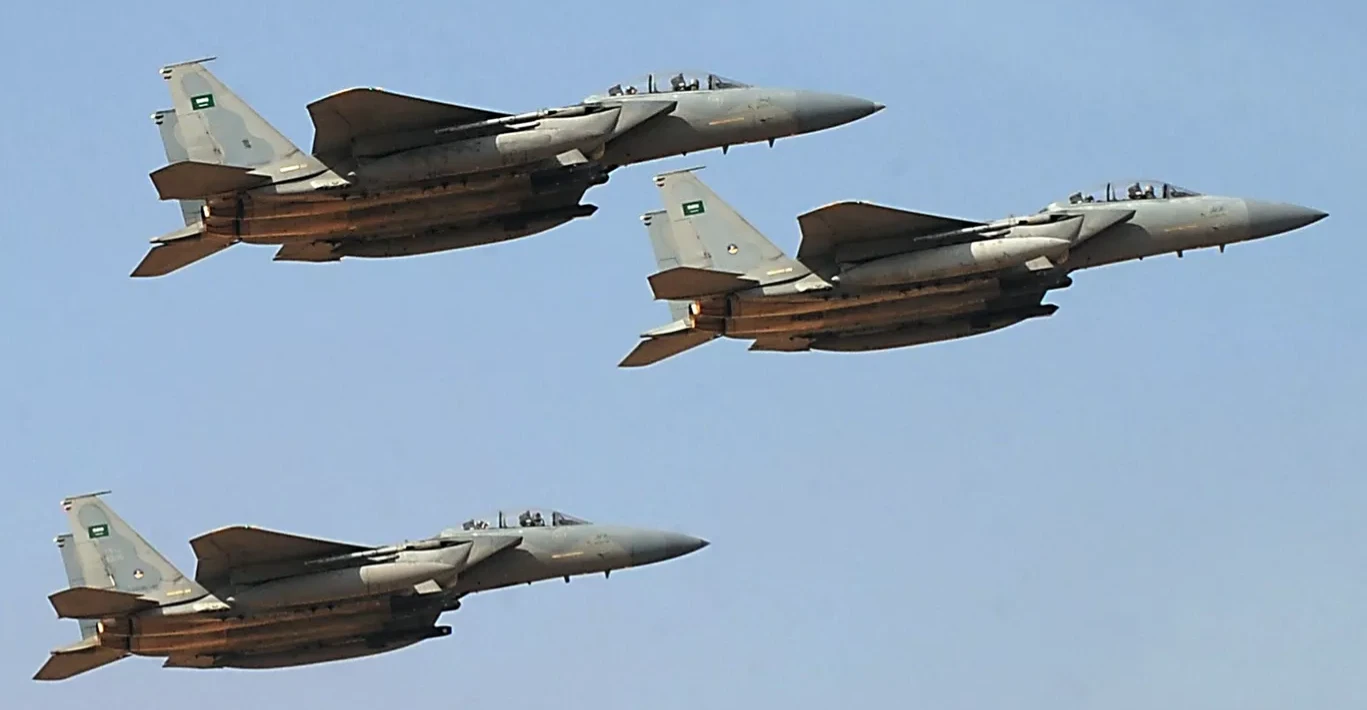
Saudi Arabia has reportedly conducted airstrikes inside Iran earlier this year, a development that highlights the ongoing tensions and retaliatory actions in the region. This military move followed assaults on the kingdom during the ongoing conflicts that have shaped the Middle East. As the situation evolves, understanding the complexities of these interactions is essential.
Overview of the Airstrikes
According to sources familiar with the matter, Saudi Arabia’s Air Force executed these strikes in late March 2023, marking a significant moment in the realm of military engagement in the region. This action represents the first known instance of direct Saudi military involvement on Iranian territory. Observers characterize these strikes as “tit-for-tat” responses; they arose after Saudi Arabia faced attacks in the broader regional conflict, underscoring the retaliatory nature of the military maneuvers.
Regional Repercussions and Diplomacy
The airstrikes came amid escalating tensions following US and Israeli actions against Iran, particularly highlighted by missiles and drone assaults on US assets across the Gulf Cooperation Council countries. Interestingly, despite the ongoing military exchanges, diplomatic channels remained operational. Riyadh is reported to have communicated its actions to Tehran, emphasizing its desire to prevent further escalation and maintain stability in the region. This proactive communication indicates a recognition of the potential for conflict and a desire to find common ground.
Iranian officials have confirmed that discussions between the two nations focused on ceasing hostilities and safeguarding mutual interests. Experts note that this back-and-forth of retaliation and de-escalation is a pragmatic approach, balancing military responses with diplomatic strategies to avoid uncontrolled escalation. Such patterns underscore the nuanced relationships in the region, where military actions coexist with ongoing dialogue.
Impact of Military Actions
Saudi Arabia had issued warnings regarding potential military responses leading up to the strikes, demonstrating a calculated approach to their defense strategy. With a notable drop in attacks against the kingdom—from over 105 missile and drone incidents within a week to approximately 25—the impact of the strikes is evident. This shift indicates a strategic calculation by parties involved to avoid extensive military engagement.
Data from the Saudi Defense Ministry further illustrates that projectiles targeting Saudi Arabia had a decrease in origin from Iranian territory. Instead, Western sources suggest these projectiles likely came from allied groups in neighboring regions. This differentiation reflects a complex network of alliances and hostilities that defines the regional landscape, complicating efforts for lasting peace.
The Path Forward
In the continuing saga of Saudi-Iranian relations, the emergence of informal understandings points toward a cautious outlook. Diplomatic efforts are crucial for stability, especially after a temporary spike in tensions in early April, when Saudi Arabia reported numerous drones and missiles targeting its territory. While neither Saudi nor Iranian officials confirmed specific military operations, the overall commitment to de-escalation remains a focal point.
As both nations navigate this intricate landscape of military actions and diplomacy, the calling for regional stability is paramount. The intricate web of interactions—military and diplomatic—underscores the need for deep scrutiny and understanding of evolving dynamics. The balance between tactical responses and diplomatic negotiations will likely shape the future course of relations in the Middle East, impacting not only Saudi Arabia and Iran but also the broader regional context.