
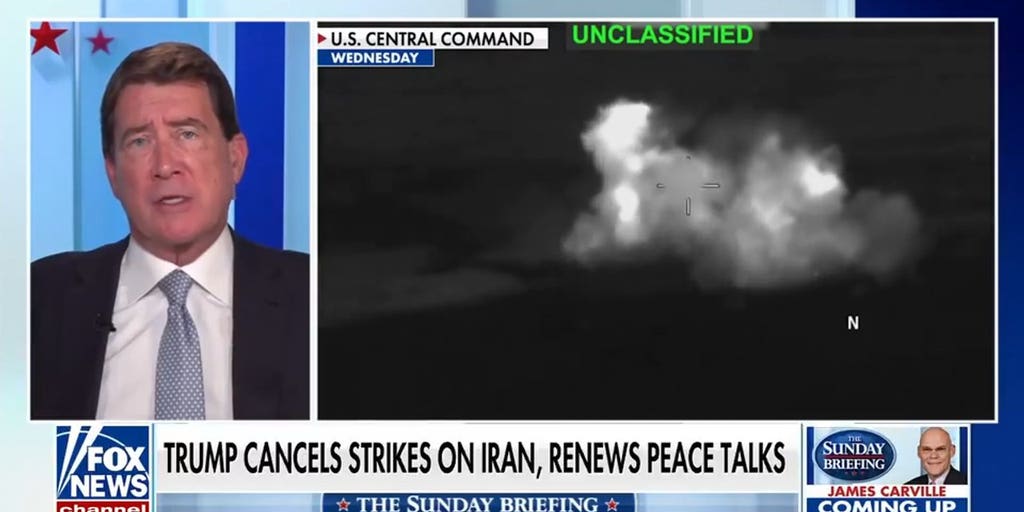
Senator Bill Hagerty of Tennessee recently joined host Jacqui Heinrich on “The Sunday Briefing” to delve into former President Donald Trump’s foreign policy strategies in the Middle East. Their conversation covered a range of topics, including the controversial decision to cancel military actions against Iran, Saudi Arabia’s pivotal role in the region’s security, and the ongoing dynamics within the Republican Party.
Trump’s Approach to Iran
During the discussion, Hagerty expressed his support for Trump’s foreign policy decisions regarding Iran. He outlined how Trump’s administration managed to shift the geopolitical landscape by prioritizing diplomatic measures over military intervention. By avoiding strikes on Iran, the former president aimed to mitigate tensions and foster a more stable region. This approach stands in contrast to traditional military solutions, which many argue often escalate conflicts rather than resolve them. Hagerty emphasized that Trump’s strategy was rooted in a clear understanding of the complexities of Middle Eastern politics, advocating for a balance between firmness and diplomacy.
Saudi Arabia’s Role in Regional Security
Hagerty also addressed Saudi Arabia’s integral role in maintaining stability in the Middle East. He pointed out that the kingdom has been a key partner in countering extremism and protecting shared interests among nations in the region. As an influential player, Saudi Arabia’s cooperation with the United States has proven essential for long-term security, especially amidst threats from organizations like Hamas. The senator highlighted the importance of reinforcing these alliances, as a collaborative approach can lead to more effective management of regional conflicts.
Addressing Political Criticism and GOP Dynamics
The senator took a moment to tackle the criticisms surrounding JD Vance’s remarks, articulating his belief in constructive dialogue even among differing political views. He reinforced the necessity for Republican leaders to unite and focus on shared objectives rather than allowing disagreements to fracture the party. Hagerty pointed out that overcoming current obstacles, such as the Senate’s gridlocks affecting nominations, is critical for the GOP as they navigate the upcoming leadership races. The conversation underscored a pivotal moment for the party, where a unified front could dictate future successes.
Conclusion: The Path Forward for U.S. Foreign Policy
In summary, Hagerty’s insights on Trump’s foreign policy reveal a complex interplay of strategic decisions that aim to foster stability in the Middle East. By championing a blend of diplomacy and strong alliances, he believes that the U.S. can better navigate the intricate political landscape of the region. As the Republican Party confronts internal challenges, the focus will need to shift toward collaboration and strategic planning to solidify their position both domestically and internationally. This discussion serves as a reminder of the ongoing relevance of foreign policy in shaping America’s role on the global stage.