
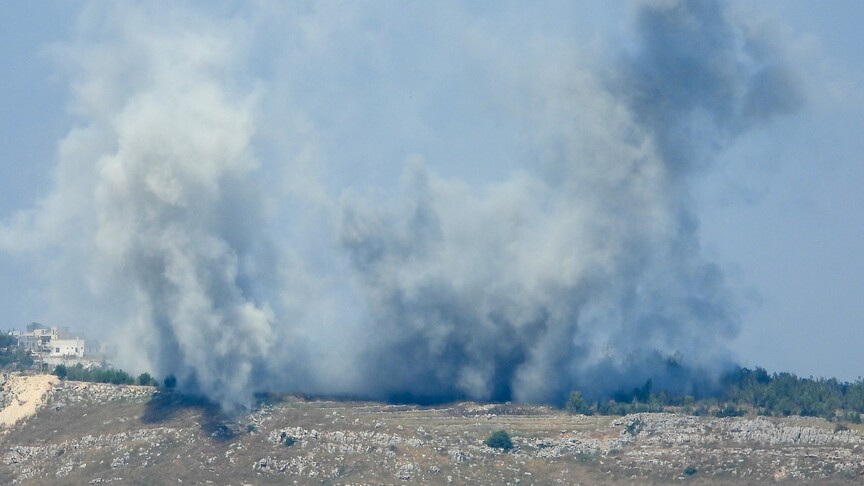
The ongoing conflict has escalated tensions in the region, prompting discussions on international response and humanitarian aid. As the situation deteriorates, global leaders are being urged to intervene and take decisive action to restore peace. The Foreign Ministry has made a significant statement, appealing to the international community to play its role in ceasing hostilities and addressing the humanitarian needs of affected populations.
The Urgency of International Intervention
The current crisis requires prompt attention from nations around the globe. As violence continues, the call for international bodies, such as the United Nations, to step in becomes increasingly crucial. The Ministry has emphasized the need for collective responsibility, urging nations to join forces in halting military actions that cause widespread suffering. The apparent urgency is not just about addressing immediate conflict, but also about paving the way for a sustainable resolution to long-standing disputes.
Humanitarian Concerns Amid Conflict
With military operations intensifying, the humanitarian impact is alarming. Civilians caught in the crossfire face dire circumstances, including loss of life, displacement, and a lack of basic necessities. The Foreign Ministry’s appeal stresses the significance of providing assistance to those affected by the ongoing violence. Humanitarian organizations are called upon to mobilize resources swiftly to offer medical aid, food, and shelter to individuals in crisis. The international community must act now to ensure that survival needs are met and lives are saved.
Long-Term Solutions to Ongoing Conflicts
While immediate intervention is essential, there must also be a focus on long-term solutions that address the root causes of conflict. A sustainable peace plan should consider the historical and socio-political complexities that have contributed to the current turmoil. Diplomatic engagement and dialogue among disputing parties are vital for achieving lasting peace. The Foreign Ministry highlights that without comprehensive negotiations, any temporary respite will likely lead to renewed violence.
The Role of Global Unity
Unity among nations is imperative in these critical times. The Foreign Ministry’s statement serves as a reminder that collective efforts can yield significant changes in conflict dynamics. Each nation has a role to play in fostering peace and stability. Whether through direct intervention, economic support, or diplomatic channels, the international community must stand together to halt aggression and promote a future where dialogue prevails over violence. The responsibility to protect civilians and uphold human rights must guide every action taken during this tumultuous period.
Overall, there is an urgent and compelling need for the international community to respond actively to the ongoing conflict. From addressing immediate humanitarian needs to pursuing long-lasting peace strategies, every effort counts. The world is watching and waiting for decisive action to restore stability and support those who are most affected by the escalating violence. Collaboration among nations can lead us toward a peaceful resolution, emphasizing the importance of shared responsibility in achieving a brighter future for all.