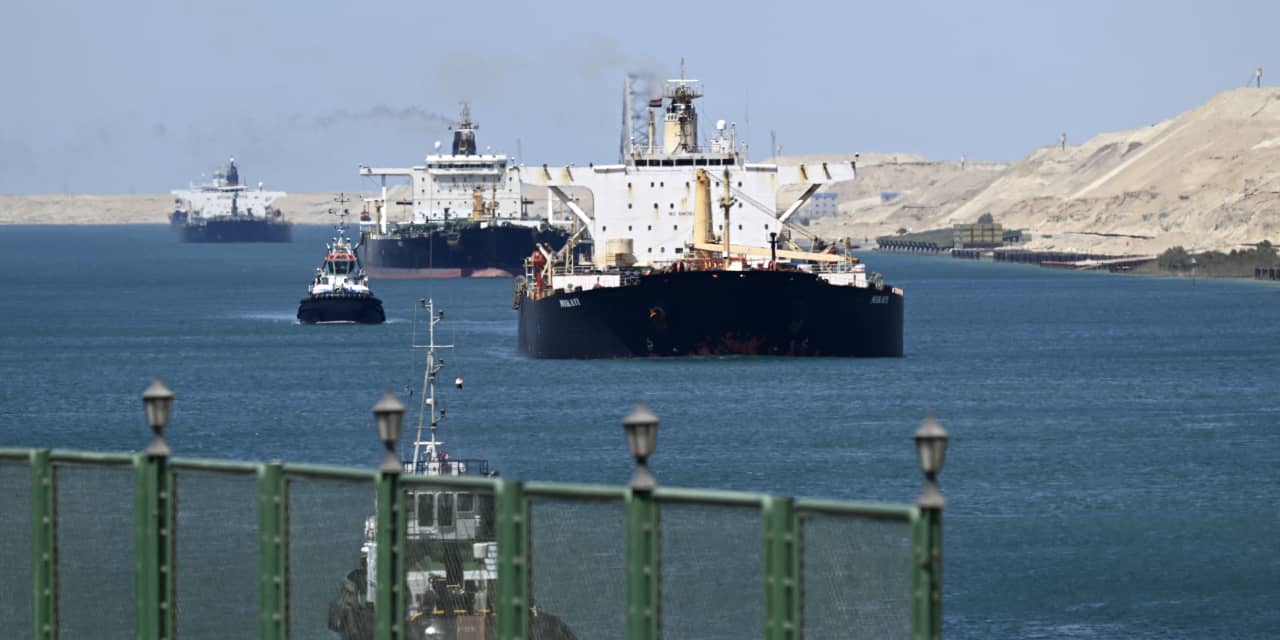
As demand for oil is fluctuating across the globe, Saudi Arabia is ramping up its oil exports through an alternative and more costly route. This strategic pivot is shaping the dynamics of supply and influencing pricing in the oil market.
Increased Oil Shipments from Saudi Arabia
Recent reports indicate that oil shipments from Saudi Arabia have gained momentum, particularly at Mediterranean ports. The nation is not just pushing its oil into the market but is also seeking to capitalize on favorable market conditions, making the most out of its resources. Given the ongoing geopolitical shifts and energy demands, this increase in shipments is crucial for maintaining Saudi Arabia’s influence in global oil markets.
The approach taken by Saudi Arabia is a deliberate one. By opting for a longer, yet more intricate route to export oil, the country is adapting to changing market dynamics. This strategy reflects a response to external factors, such as production adjustments in other oil-rich nations and fluctuations in global demand.
The ‘Backdoor’ to Oil Exports
This more complex channel for oil exports is often referred to as a “backdoor.” While this method may introduce additional shipping challenges and costs, it is proving effective in reaching buyers who are eager for Saudi oil. The increased reliance on alternative shipping routes may also affect shipping costs and transit times, thus influencing the overall price of oil in the market.
Navigating this backdoor not only allows Saudi Arabia to find a market for its oil but also potentially enables it to leverage better pricing in regions where competitors may be less accessible. It is a calculated maneuver aimed at maximizing revenue while maintaining strong export levels, vital for the nation’s economy.
Impact on Global Oil Prices
As Saudi Arabia intensifies its oil deliveries through this alternative method, there will likely be broader implications for global oil prices. Countries reliant on Middle Eastern oil might find themselves facing rising costs, especially if these new transport routes continue to be more expensive than traditional pathways.
Furthermore, the heightened competition resulting from more players in the market could prompt a reevaluation of pricing strategies, impacting both producers and consumers. As such, stakeholders in the oil market are closely monitoring these developments, recognizing that shifts in logistics can redefine market conditions.
In the context of a constantly evolving global energy landscape, Saudi Arabia’s strategy to enhance oil exports through this backdoor method signals its resilience and adaptability. As the world continues to navigate through economic and environmental challenges, these developments in Saudi oil shipping underscore the intricate balance between demand and supply, making it a crucial story in the energy sector moving forward.