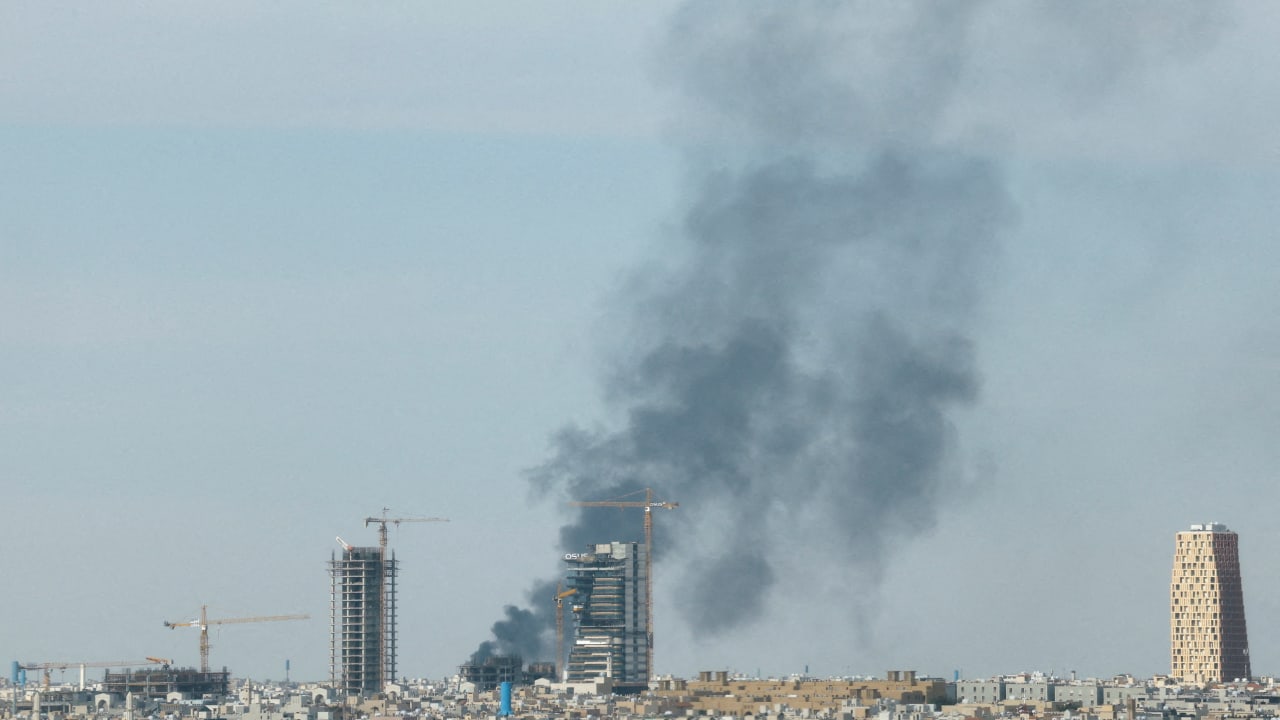
Saudi Arabia has announced the interception of three drones that allegedly crossed into its airspace from Iraq. This information was shared by the country’s defense ministry in a recent post on social media, highlighting ongoing security concerns in the region.
Potential Connections to Recent Attacks
This drone interception follows a separate attack in the vicinity of Abu Dhabi’s Barakah nuclear facility. While it is premature to establish a direct link between the two incidents, authorities are carefully investigating the possibility of orchestrated attacks on strategic locations in the Gulf region.
According to reports from Arab News, General Turki Al-Maliki, the spokesperson for the Saudi defense ministry, underscored that the kingdom will take necessary measures to protect its sovereignty and national security. He also emphasized the importance of safeguarding the lives of all citizens and residents within Saudi borders.
Restoration of Ceasefire and Ongoing Threats
Despite a ceasefire with Iran that has been in effect since April, there have been recent rumors regarding a resurgence of conflict. Speculation suggests that Iranian-backed militias operating in Iraq may be preparing to launch new drone assaults, potentially testing varied routes for their operations. These groups, widely known as the Popular Mobilization Forces or Hashd al-Shaabi, have reportedly heightened their vigilance amid concerning news reports.
In light of these developments, the Saudi Foreign Ministry condemned a recent drone strike on an electrical generator in the United Arab Emirates. This attack occurred outside the Barakah nuclear site’s defensive perimeter and has raised alarms over regional stability.
Regional Reactions and Security Concerns
The Saudi government expressed strong support for the UAE, categorizing the drone strike as a significant threat to both regional security and stability. There has been a collective outcry from neighboring countries, including Kuwait and Bahrain, denouncing the attacks and emphasizing the necessity of maintaining international laws to protect civilian facilities, particularly those involved in peaceful nuclear energy activities.
Kuwait described the targeting of these facilities as not only unlawful but also an act that jeopardizes the safety of both civilians and the environment. The UAE has similarly voiced its condemnation of the drone attacks targeting Saudi Arabia, further indicating rising tensions and the need for coordinated regional defense strategies.
As the geopolitical landscape evolves, the situation remains fluid, requiring close monitoring and preparedness from all Gulf nations to respond effectively to potential threats. The importance of diplomatic engagement alongside military readiness cannot be overstated, as regional powers navigate the complexities of security challenges posed by militant groups and cross-border hostilities.