
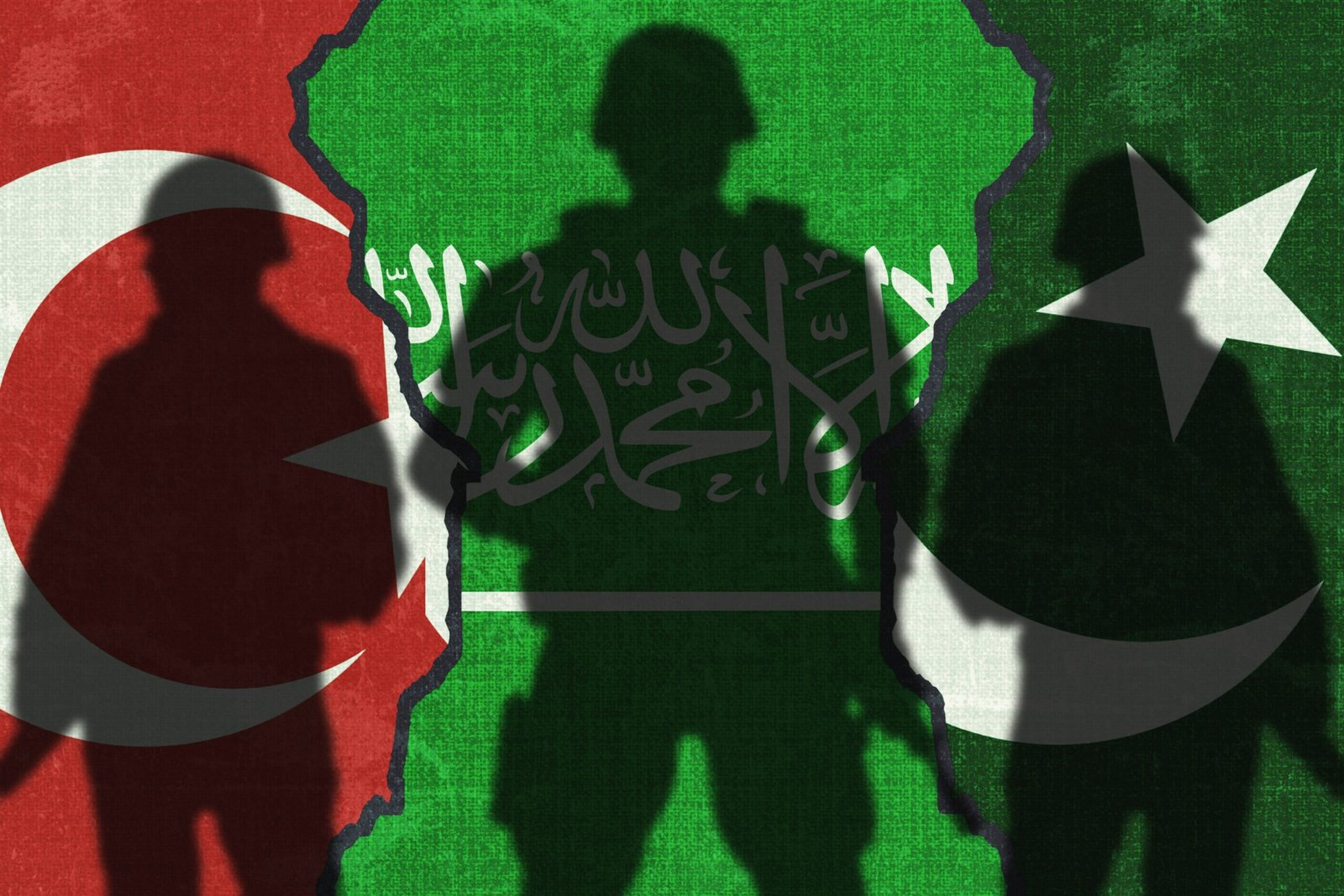
The Middle East is once again facing heightened tensions, particularly as Houthi forces make significant advances, potentially revitalizing Iran’s influence in the region. The ongoing crisis in Yemen, which directly involves Saudi Arabia, is undergoing notable diplomatic shifts that could have far-reaching implications.
Shifting Alliances in the Wake of Houthi Advances
Reports indicate that Saudi Arabia is seeking intelligence assistance from Israel through U.S. Central Command, particularly following the Houthis’ control of Yemen’s Red Sea coast and the critical Bab el-Mandeb Strait. The conflict’s escalation poses risks to vital oil export routes, prompting Saudi Arabia to search for new partners amid its struggle against the Houthis. Pakistan, despite its affiliation with the Mecca Defense Alliance alongside Saudi Arabia and Türkiye, has reportedly refrained from deploying forces for combat operations in Yemen. Meanwhile, the U.S. and U.K. have declined direct military intervention, choosing instead to focus on intelligence and advisory roles.
Türkiye has publicly expressed its support for Saudi Arabia, highlighting the need for solidarity amid growing Houthi aggression. Turkish officials have indicated a willingness to assist Saudi Arabia with military needs, particularly in technical areas. Attempts to broker peace and end the fighting are underway, although specific initiatives have yet to be disclosed. Increasing regional tensions, including threats from the Houthis to close down Saudi airports and warnings to travelers from the U.S. mission, raise questions about the regional stability moving forward.
The Challenge of Collective Defense
As the situation intensifies, local analysts are observing that the Mecca Defense Agreement among Saudi Arabia, Türkiye, and Pakistan may face its first significant challenge due to the Houthi threat. The pact is designed to treat an armed assault on one member as an attack on all, which theoretically bolsters regional security without complete dependence on U.S. support. However, the current crisis raises crucial questions regarding each member’s ability to respond when one of them is under sustained attack.
Saudi Arabia, while a considerable regional power, faces unique vulnerabilities. The kingdom’s critical infrastructure, including energy resources and population centers, is key to its national security. Although well-equipped with advanced military technology, the ongoing Houthi threat poses a challenge that could evolve into a costly and prolonged conflict. This dynamic makes the Mecca Defense Agreement particularly significant, as its practical application could redefine the region’s security framework.
Implications of Economic Integration
If Saudi Arabia is a powerful economic force, its dependency on allies for security could make it a strategic weak link within the alliance. Despite its considerable resources, Saudi Arabia relies heavily on foreign technology and procurement for its military capabilities, which leaves it exposed to asymmetric threats from non-state actors like the Houthis. This makes its relationship with Türkiye critical, as Ankara’s military resources and capabilities can complement those of Riyadh. However, Türkiye’s willingness to engage in risk on behalf of Saudi Arabia will depend on mutual interests in security.
One potential avenue for strengthening this alliance is through deeper economic integration, which could transform the security pact into a more substantial strategic partnership. A contemporary transport and logistics corridor could link Saudi Arabia with Türkiye, thereby enhancing mutual dependency beyond mere military cooperation. Such a project might serve to solidify the ties between these nations, offering strategic benefits that extend beyond military commitments.
Test of Commitment Amidst Crisis
Ultimately, the current Houthi crisis serves as a critical test for the Mecca Defense Agreement. If attacks on Saudi infrastructure escalate, the alliance must demonstrate its collective-defense commitments and ability to respond effectively. The essential question becomes whether Riyadh and its partners have the resolve to support one another in protecting mutual interests. The evolving dynamics will be a litmus test for the viability of the Mecca pact as a functional security framework in the volatile landscape of the Middle East.